Main by morning: gold and defense rise due to escalation in the Middle East

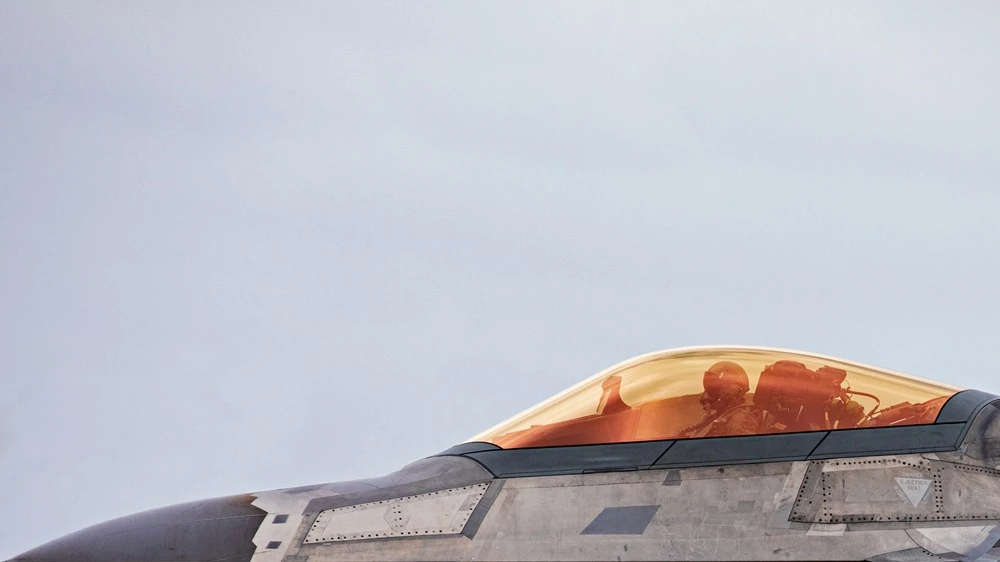
South Korean defense stocks rose sharply after markets returned from the weekend amid the escalation in the Middle East, also in the plus - securities of European and American defense companies / Photo: AHoltPhoto / Shutterstock
OpenAI admitted that it rushed into a contract with the Pentagon and promised to enshrine a ban on the use of AI for internal surveillance, while Anthropic, after breaking off negotiations with the US Defense Ministry, received a sharp influx of users and opened the "memory" function for the free version. On these and other topics - in our review of key events by the morning of March 3.
OpenAI admitted to rushing the Pentagon deal
OpenAI CEO Sam Altman said the company "shouldn't have rushed" its recent contract with the U.S. Department of Defense and promised to make edits, CNBC reports. The updated version will include a clause banning the intentional use of AI to spy on US citizens. The Pentagon also confirmed that OpenAI tools will not be used by intelligence agencies like the National Security Agency. Altman acknowledged that the attempt to quickly conclude the agreement looked opportunistic.
The deal was announced last week amid the Pentagon's conflict with Anthropic, whose negotiations with the agency broke down after disputes over security safeguards and the use of AI for military purposes. That sparked online criticism and a churn of users to Claude, although Altman has publicly opposed recognizing Anthropic as a "supply chain threat" and said the companies have similar "red lines."
South Korea's defense stocks soar amid escalation in the Middle East
South Korean defense stocks rose sharply after markets returned from the weekend amid escalation in the Middle East and global demand for military assets, CNBC writes. Hanwha Aerospace added up to 25% at the moment, Korea Aerospace Industries added more than 12% and LIG Nex1 added 25%; Victek, Firstec, Poongsan and Hyundai Rotem also posted notable gains. At the same time, the broad Kospi index fell 6.82%.
The sector is growing amid Seoul's ambition to become the fourth largest arms exporter by 2030 and increasing orders from Europe, including Poland and Romania. Growth was also seen in other regions, with Hensoldt and BAE Systems rising in Europe and Lockheed Martin and Northrop Grumman in the US.
Drones have taken out AWS data centers in the Middle East
Amazon Web Services said two of its data centers in the UAE and a facility in Bahrain were damaged by drone strikes and were shut down, CNBC reports. The strikes caused fires, structural damage and power outages. As a result, EC2, S3 and DynamoDB services are running with errors and limited availability. The company warned that recovery could be delayed due to the nature of the physical damage. AWS expects further instability in the region and advises customers to back up and move workloads to other regions if necessary.
Anthropic opens Claude's memory to free users amid surge in demand
Anthropic has added a memory feature to the free version of its Claude chatbot, allowing it to remember context between conversations - an option previously only available on a subscription basis, Bloomberg writes. The company also made it easier to transfer stories from other AI services, including ChatGPT. The decision comes amid "unprecedented demand": the number of active free users has grown by more than 60%, and daily registrations have quadrupled since January.
The interest grew after Anthropic's conflict with the US Department of Defense: US President Donald Trump ordered to stop using Claude in government agencies, and the Pentagon recognized the company as a "supply chain risk". At the same time, OpenAI announced the deployment of its models on the Defense Department's closed network, which prompted calls for a boycott of ChatGPT on social networks. Against this backdrop, Claude even experienced a temporary outage due to an influx of users.
Gold rises for fifth day amid escalation in Middle East
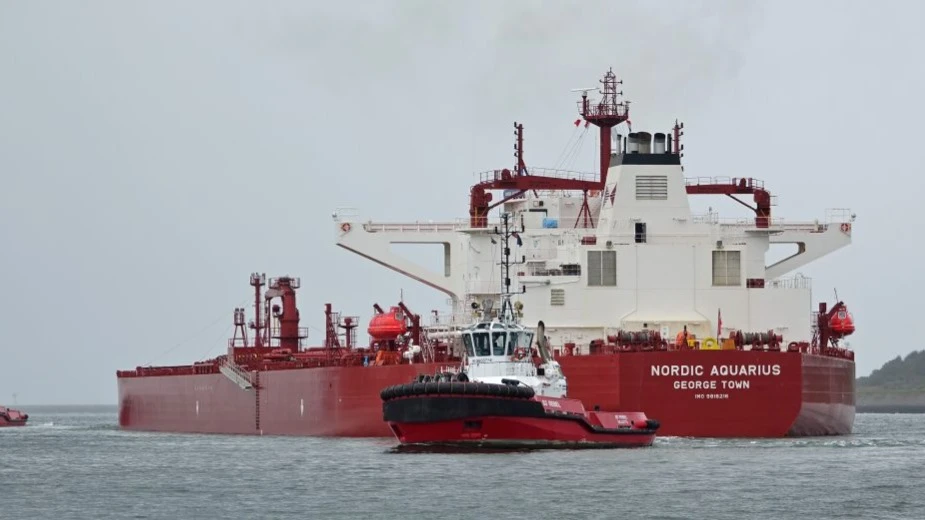
Gold prices rose for the fifth session in a row, approaching the January record amid expanding hostilities between the U.S., Israel and Iran, Bloomberg writes. The cost of the metal exceeded $5380 per ounce, adding more than 3% over the previous days of escalating conflict. Strikes on energy infrastructure and threats to shipping in the Strait of Hormuz intensified inflationary concerns in the U.S., triggering a drop in government bonds and expectations of a later Fed rate cut.
Since the beginning of the year, gold has risen in price by almost a quarter due to geopolitical tensions and concerns about the stability of the global financial system. Analysts assume that the record high above $5595 will be renewed if the conflict in the Middle East continues, but the momentum may weaken with de-escalation. Against this backdrop, silver also rose, while platinum and palladium traded volatile. In trading on March 3, gold added 0.26% and traded at $5325.3 per ounce.
What's in the markets
- Japan's broad Topix index was down 2.92 percent on March 3, while the Nikkei 225 was down 2.99 percent.
- Hong Kong's Hang Seng index was down 1.15%. Mainland China's CSI 300 index was falling by 1.28%.
- In South Korea, the Kospi index was down 6.82% and the Kosdaq was down 4.45%.
- Australia's S&P/ASX 200 was down 1.34 percent.
- S&P 500 futures were down 0.84 percent, Nasdaq Composite futures were down 1.06 percent and Dow Jones Industrial Average exchange-traded contracts were down 0.72 percent.
This article was AI-translated and verified by a human editor