"A war for months, if not years": Citadel sees investors' dangerous miscalculation on Iran
For Iran, conflict with the West is existential, so the incentive to wage a protracted war is extremely high, says a key U.S. stock market participant

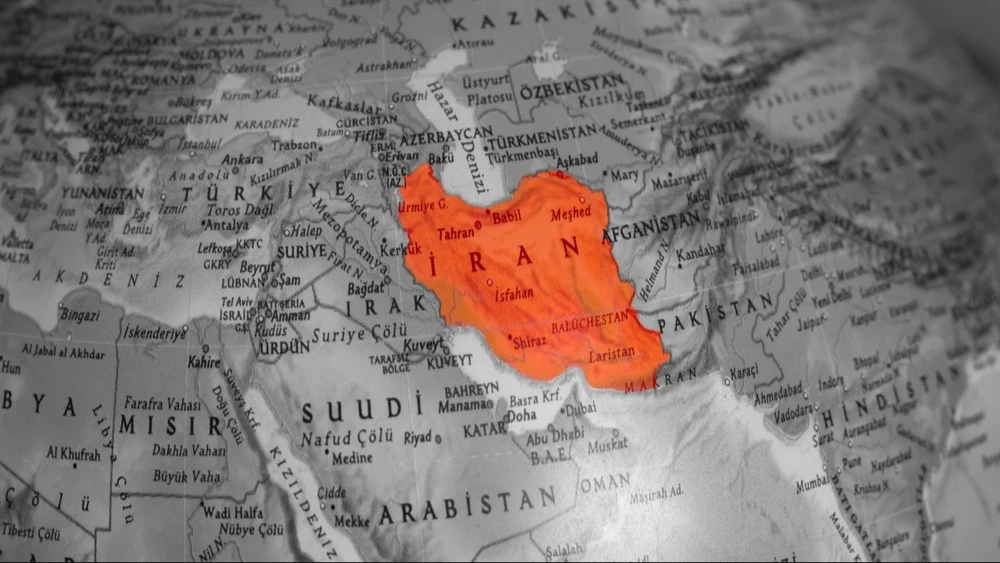
Investors put too soft a scenario of the conflict over Iran into prices, ignoring the risks of its prolongation, according to Citadel Securities / Photo: macondofotografcisi/Shutterstock.com
Market participants are making a mistake, laying in asset prices the scenario of a quick resolution of the Middle East crisis, warned Noshad Shah, an analyst at Citadel Securities. He is convinced that the war in the Persian Gulf has already caused structural damage to the world economy, which threatens to provoke a prolonged inflationary shock and financial stress.
Details
Investors are used to ignoring geopolitical risks and continue to expect that the U.S. can end the war with Iran at any moment, Shah wrote in a new review. "In my view, this is a miscalculation," he noted.
According to the expert, the conflict has existential significance for Iran, so the incentive to wage asymmetric warfare for "months, if not years" is extremely high. Even if U.S. forces are withdrawn, the consequences of the conflict will not disappear: attacks on energy infrastructure - from pipelines and refineries to Qatar's LNG terminals - have already caused enormous damage to the industry.
The transformation of the energy shock into a financial crisis is especially dangerous for Asian countries that depend on imports of hydrocarbons through the Strait of Hormuz, says Citadel analyst. Rising prices for imported fuel inflate the foreign trade deficit of these states and lead to devaluation of their currencies, forcing local central banks to raise interest rates. This increases default risks and accelerates capital outflows. "Even the United States is not immune to these shocks: a global tightening of financial conditions will inevitably hit the valuations of the U.S. stock market, the expert says.
The willingness of the US Federal Reserve and the European Central Bank to react quickly to an inflationary surge is becoming a worrying factor. Shah cautions that tight monetary policy in the face of a supply shock, when rates are already high, only brings deep stress closer. The consequences go beyond energy: the shutdown of plants in Qatar has led to a multiple of helium prices, putting chip production and AI infrastructure at risk. Assessing the regulators' plans, analyst Citadel summarizes, "This is not 2022... and it is important not to try to fight a past war."
Context
On March 24, Iran launched massive missile strikes on Israel, Reuters reported, citing the Israeli military. This came a day after US President Donald Trump announced "very good and productive" peace talks with Iran. Three Israeli sources told Reuters they believed it was highly unlikely Iran would agree to U.S. demands.
Many financial experts point to the large-scale economic consequences of the Iranian conflict, which are almost exclusively negative, writes Business Insider. Thus, Nobel laureate in economics Paul Krugman recently emphasized the growing risk of stagflation, and Mark Zandi from Moody's Analytics noted that a sharp rise in oil prices could push the U.S. economy further into recession, BI recalls.
This article was AI-translated and verified by a human editor