Chevron CEO: oil market has not sufficiently priced in supply shock due to Iran

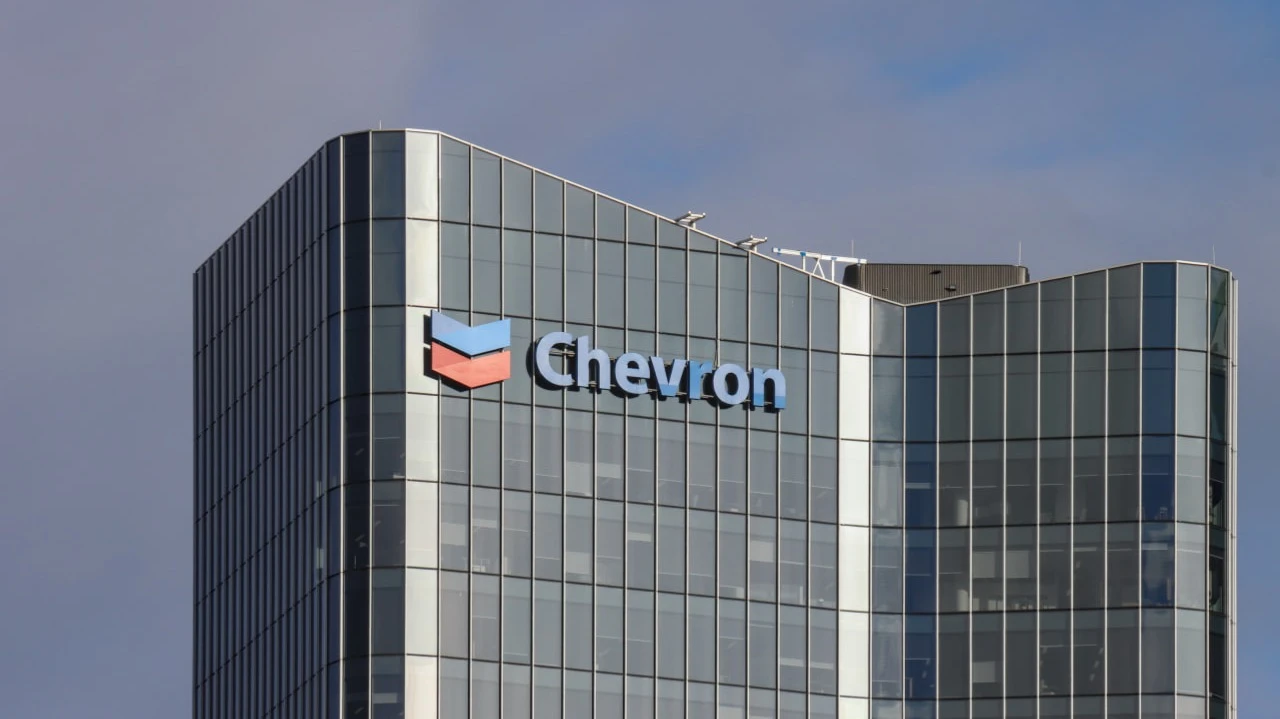
Oil market does not fully take into account the scale of disruptions in the Strait of Hormuz, says Chevron head / Photo: BJP7images / Shutterstock.com
Energy markets are not sufficiently accounting for the oil supply shock caused by the war with Iran, said Mike Worth, head of Chevron, one of the world's largest oil companies. Given the scale of supply disruptions and infrastructure damage, Brent futures should trade higher, he warned, speaking at the annual S&P Global CERAWeek conference in Houston, Barron's reports.
With limited understanding of the timing and progress of the conflict, traders make decisions based on "scant information," the Chevron chief explains.
"The closure of the Strait of Hormuz has very real, physical consequences that are already spreading around the world and throughout the system, and I don't think they're fully reflected yet in the oil futures curve," Worth said. A futures curve is a graph showing the relationship between the price of exchange-traded contracts and their maturity. Traders now expect oil to be around $82 a barrel in July, with a subsequent decline to $73 by December. That means they hope the disruptions will ease soon, CNBC points out . For most of 2027, the market is pricing in a cost of about $70 a barrel. Before the U.S. conflict with Iran, it was talking about a $50-60 range, Barron's notes.
Even if the war ends soon, the full restoration of energy supplies could take time, a timeline that Worth said is a growing concern. "Some of the facilities have sustained damage, and in some cases, reportedly significant damage. How quickly that production can be brought back online is an uncertainty that we will have to deal with as the situation develops," he said.
What's up with oil prices
Brent crude oil prices collapsed by more than 10% on Monday, March 23, after US President Donald Trump declared "productive talks" with Iran and promised to postpone strikes on the country's power plants.
"While this change in rhetoric looks encouraging, the clearest signal of meaningful de-escalation will be the restoration of oil flows through the Strait of Hormuz," reminded Brock Weimer of Edward Jones.
"I would be very skeptical that an agreement could be reached as early as this week that fully normalizes the situation given all the complexities that exist," Baird investment strategist Ross Mayfield told CNBC.
Goldman Sachs on Sunday raised its forecast for the price of WTI crude oil for 2026 to $76 from $72 a barrel. The bank's analysts are based on the assumption that the war may last longer than expected and oil supplies through the Strait of Hormuz will remain at about 5% of normal for another two weeks. On Monday evening, WTI was trading slightly cheaper than $90 a barrel.
Ben Marshall, Vitol Group's head of Americas, said any peace agreement would drive down energy prices, but the lack of progress in fully opening the Strait of Hormuz to exports means about 10 million bpd will continue to fall out of the market. "Another week is another 70 million barrels that the market can't afford to lose," he said. - If oil prices hold above $100, you're going to see demand destruction. And at levels above $120, that demand destruction will become significant."
This article was AI-translated and verified by a human editor