AI vs. geopolitics: how the Iran war opened a window for investment in Asia's IT sector
Western investment giants are actively buying back shares of Asian beneficiaries of the AI boom after a record drawdown

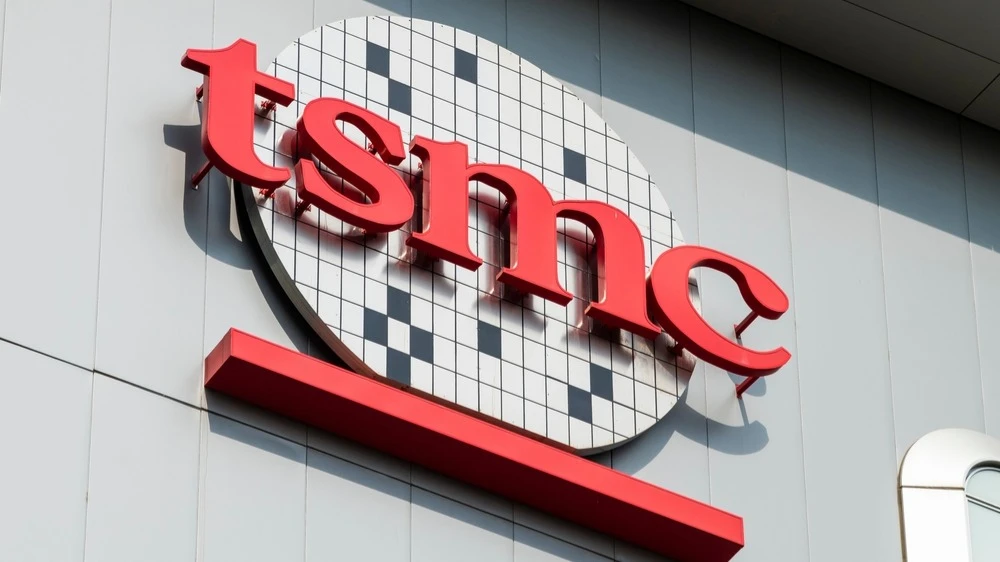
Investment giant Fidelity plans to increase its position in Taiwanese stocks dominated by TSMC / Photo: Jack Hong/Shutterstock.com
The US-Israeli war against Iran and the resulting collapse of Asian stock markets have created a window of opportunity for investors. Large investment funds see this sell-off as a chance to increase their stakes in Asian chip makers. They are betting that the artificial intelligence boom will outweigh macroeconomic and military risks.
Details
Large asset managers, from Aberdeen to Invesco to Fidelity, are aggressively buying up shares of AI sector leaders in Asia. The funds regard last week's drop in quotations of Samsung Electronics, SK Hynix and other Asian IT giants as a result of panic fleeing from risks rather than deterioration of semiconductor business performance, Bloomberg writes.
The overly negative reaction of investors in the region was evidenced by the sagging of the MSCI AC Asia Pacific stock index by more than 6% last week - against a decline in the U.S. S&P 500 by only 2%, the agency notes. Korea's Kospi index, dominated by the technology sector, experienced the strongest one-day sell-off in its history last week.
What investment funds are saying
Head of Asia-Pacific equities at Aberdeen Investments, Pruksa Iamthongtong, called volatility "an opportunity to build positions on a correction". The expert said that fears of stagflation due to rising oil prices triggered the recent capital outflows more than underlying economic factors.
The general economic situation in Asia now determines the beginning of a new phase of growth in the chip market, said Invesco Asset Management global markets strategist David Chao. The expert predicts that the industry's manufacturing upturn will be sustained throughout 2026 due to investments in building computing infrastructure for AI. Relying on strong fundamental forecasts, Chao considers "any drawdown [of quotations] a buying opportunity".
Meanwhile, Fidelity International plans to increase its position in Taiwan, a market dominated by custom chip makers including industry leader TSMC, Fidelity portfolio manager Ian Samson said. He said the island's semiconductor companies represent a "reliable, stable and relatively inexpensive way to win back the idea of AI."
However, the threat of a prolonged war and a new round of inflation cannot be discounted, and in such circumstances, a point selection of assets may be the optimal strategy. "We do not advise clients to chase every drawdown in the AI segment," emphasized Stephen Dover, investment strategist at Franklin Templeton Institute. The fund is using this correction exclusively to shift capital into financially stable Asian semiconductor industry leaders - companies with transparent cash flows, robust balance sheets and a clear role in the global AI ecosystem, the expert explained.
What Wall Street thinks about stocks
According to Bloomberg's calculations, of the six analysts who updated their estimates on Samsung Electronics after the collapse, five recommended them for a buy - with Buy or Outperform ratings - and only one gave a "neutral" rating.
According to FactSet, consensus ratings of Samsung Electronics, SK Hynix and TSMC shares have been held at Buy level for the last month. The average target prices calculated by the service suggest a potential upside of 53% for SK Hynix, 40% for Samsung Electronics, and 28% for TSMC over the next year.
In trading on March 9, shares of Samsung Electronics lost 7.81% in Korea, SK Hynix - fell by 9.52%, TSMC in Taiwan fell by 4.23%. The Kospi index fell by 5.96%.
This article was AI-translated and verified by a human editor