Airlines around the world will cut 12,000 flights and 2 million passenger seats in May
Airfares have already risen five times in price since the war in the Middle East began - and started to get even more expensive at the end of April, industry officials say

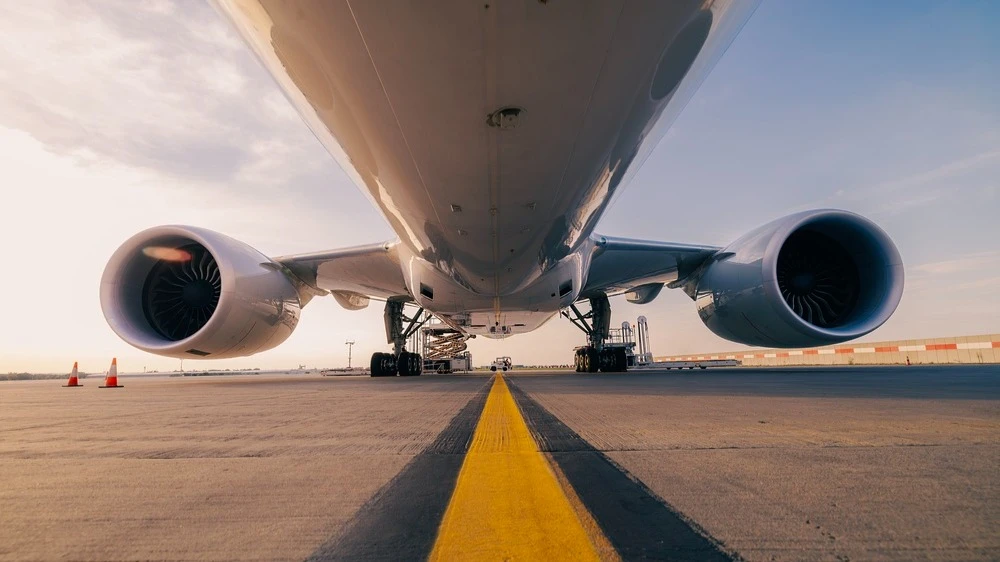
Airlines canceled 12 thousand flights and reduced 2 million seats due to the risk of fuel shortages / Photo: Jaromir Chalabala / Shutterstock
Global airlines have canceled more than 12,000 flights for Ma and - cut 2 million seats in their schedules for the coming month amid growing fears of jet fuel shortages, data from analyst firm Cirium, as quoted by the Financial Times (FT) shows.
Due to potential fuel supply disruptions, some air carriers are switching to smaller and more fuel-efficient airplanes, Cirium researchers say.
Details
The total number of available seats on flights of all airlines in May decreased from 132 million to 130 million. According to Cirium researchers, air carriers decided to make such optimization in the period from the middle to the end of April. A total of 12,000 flights will be canceled in the coming month, according to Cirium data.
And while some major international airlines, such as British Airways, United Airlines, Air China and All Nippon Airways, are simultaneously cutting capacity and restructuring route networks to ramp up to other destinations and reduce pressure on global traffic. By contrast, Turkish Airlines, which analysts expected to be one of the beneficiaries of possible prolonged disruptions in the Gulf region, has cut the most seats of any airline in the past two weeks, Cirium data shows. The carrier, whose Istanbul hub continues to operate normally, has warned that fuel restrictions are putting pressure on its operations.
Air China ranked second in terms of seat reductions after canceling a number of flights, including domestic routes between Chengdu and Beijing, Cirium notes.
German Lufthansa is also among the leaders in terms of capacity reduction - the carrier ranked third in this indicator in May. At the same time, the airline was the leader in the number of flight cancelations in recent months. From Ma through October 2026, Lufthansa is preparing to cut 20,000 flights, with almost 4,000 of them in May, according to Cirium. High fuel prices have made all these flights unprofitable, the FT notes.
What exactly are the reasons for the carriers' decisions
Gulf airlines including Emirates, Etihad Airways and Qatar Airways have revised May schedules, including by canceling flights. At the same time, Air France said the airline had been asked not to increase flights to Singapore and Tokyo's Haneda airport as Asia's biggest hubs seek to limit aviation fuel consumption, the FT points out.
Rising costs and declining demand on some routes are forcing airlines to switch to smaller or more fuel-efficient airplanes, Cirium says. For example, Etihad Airways replaced an Airbus A350 with a capacity of almost 400 passengers on the Abu Dhabi - Hong Kong route with a Boeing 787 with 220-300 seats, depending on configuration.
In contrast, carriers are using larger airliners on certain routes due to the growing demand for direct flights between Europe and Asia. Air France, for example, has increased aircraft capacity on the Mumbai route using a larger version of the Boeing 777, while Air China uses a larger Boeing 777 on flights from London Heathrow to Beijing.
Implications for the industry
Since the war in the Middle East began in late February, the cost of jet fuel has doubled to nearly $200 a barrel. This has added billions of dollars to airlines' costs and forced them not only to cut routes but also to raise ticket fares, The Wall Street Journal reported. At the same time, the closure of airports due to fighting in the Persian Gulf, through which passed a third of European routes to Asia, destabilized global traffic, the FT points out.
According to aviation analyst John Strickland, jet fuel prices have been highly volatile in the past, but the threat of a shortage of this magnitude has never before hit the market.
Against the backdrop of rising costs, airlines around the world are reviewing their strategies. In particular, Japan Airlines forecasts a decline in profits by about 20% at the end of this year. Delta Air Lines cut its route network by 3.5% in the second quarter to save fuel, while easyJet and Virgin Atlantic warned of pressure on profitability.
At the same time, low-cost carriers are under particularly strong pressure, WSJ points out. For example, American Spirit Airlines announced on Ma. 2 that it would cease operations - rising fuel prices derailed the company's plans to emerge from bankruptcy.
What's next?
For the airline industry, the current situation is a significant reversal from expectations for early 2026, when airlines were counting on strong travel demand to drive strong profits and announced plans to expand route networks and open new lounges, the WSJ notes.
Against this background, the gap between large and small players in the industry is widening, the newspaper notes: the former expect to compensate for rising costs by raising ticket prices and cutting flights, while the latter are getting closer and closer to the brink of bankruptcy.
According to WSJ, airfare prices have already increased five times since the war with Iran began. According to industry representatives, a new - sixth - stage of fare increases began at the end of April.
This article was AI-translated and verified by a human editor