Airlines are facing their biggest crisis since the pandemic. What will happen to ticket prices?
The value of the largest publicly traded airlines has fallen by more than $50 billion since the war began, the FT has calculated

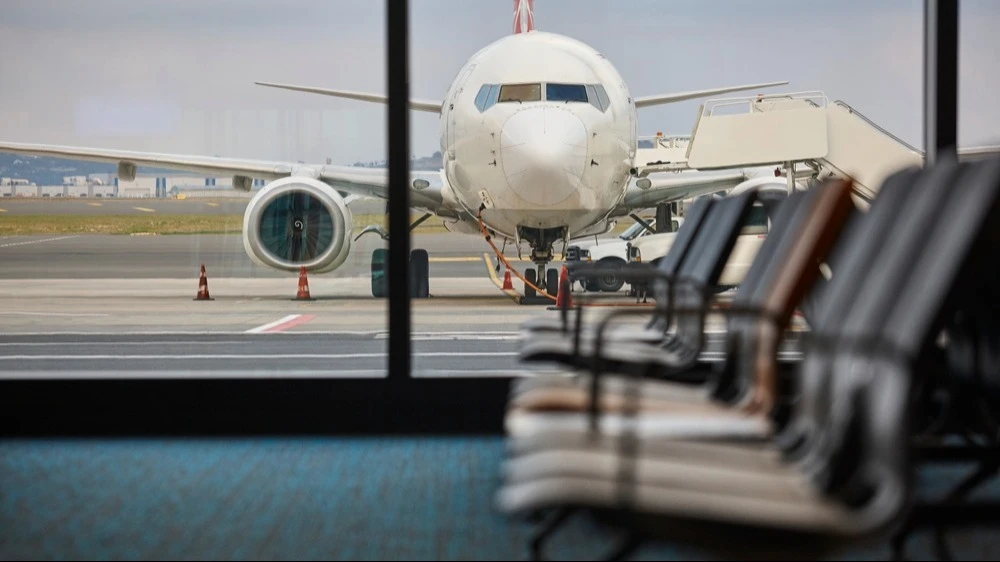
Airline executives are already warning that they are forced to raise ticket prices due to the sharp rise in the price of jet fuel / Photo: Shutterstock.com
The airline industry is facing its worst crisis since at least the pandemic, says the Financial Times after speaking to industry executives. Because of the war in the Middle East, hundreds of flights have been canceled, the cost of jet fuel has skyrocketed, and carriers have no choice but to raise ticket prices in order not to lose money. Oninvest briefly recounts the material.
What will happen to ticket prices
The war is likely to cause a sharp rise in the price of flights on routes far beyond the Persian Gulf in the coming months, writes the FT. The main reason is the rapid rise in the price of aviation fuel, which accounts for a third of airlines' costs. Its cost has doubled in three weeks and continues to rise. Managers of some airlines have already warned that they are forced to raise prices, even if it leads to a drop in demand.
"Our average profit is around €10 per passenger. We cannot compensate for the extra costs in any other way," said Lufthansa CEO Carsten Spohr.
According to Air France-KLM CEO Ben Smith, the carrier is considering cutting flights to Asia in case of a fuel shortage.
The war was the biggest shock to the industry since 2020, when air travel was interrupted by the pandemic, easyJet CEO Kenton Jarvis told the newspaper. For Middle Eastern airlines, comparisons to the pandemic even pale in comparison, said Willie Walsh, head of the International Air Transport Association (IATA). According to him, it is more like a decrease in demand for transatlantic flights after the September 11 attacks.
How investors react
In three weeks, the combined market value of the 20 largest airlines has fallen by about $53 billion, according to calculations by the Financial Times. Investors are betting on a further fall in the shares. Low-coster Wizz Air was the most frequently shorted stock in the FTSE 100 index, the article said.
EasyJet, which has also been targeted by shortists, expects shares to recover quickly once the war ends, said the low-cost carrier's chief executive Kenton Jarvis. "I think the short-sellers will pick up their positions pretty quickly if a ceasefire is declared," he said.
This article was AI-translated and verified by a human editor