Airlines in Europe have started cutting prices due to falling demand
The reason was consumers' reluctance to plan vacations in advance due to the risks of flight cancellations and rising fuel costs

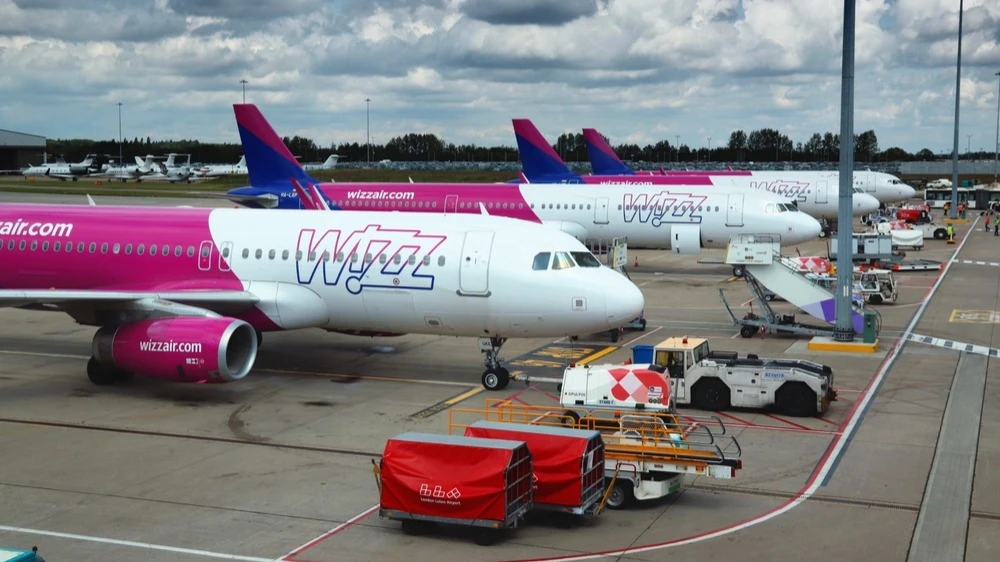
Air carriers across Europe are slashing prices on summer flights. Photo: Tupungato/Shutterstock
Air carriers across Europe are cutting prices for summer flights to stimulate demand. The war in the Middle East has forced passengers to delay booking tickets as they fear a shortage of jet fuel will disrupt their vacation plans, according to the Financial Times (FT).
Details
Since the beginning of April, tickets to many popular destinations in southern Europe have started to become cheaper, according to an FT analysis of Google Flights data. Between Ma 9 and Ma 6, the cost of airfares for a week in July fell on 27 of the top 50 European routes to the Mediterranean. At the same time, 15 destinations saw prices fall by 10% or more. This affected flights such as Heathrow to Nice, Manchester to Palma and Gatwick to Barcelona, while on the route between Milan and Madrid the drop reached 44%.
Airline representatives, travel agents and analysts interviewed by the FT say consumers are hesitant to buy tickets after repeated warnings about the possible introduction of fuel rationing. This is due to the closure of the Strait of Hormuz at the end of February due to the Iran war.
What the market is saying
While in the U.S. tourism sector is thriving, European travelers are afraid to book tickets in advance, and companies have to stimulate demand with low prices, explains Barclays analyst Andrew Lobbenberg. Research Ipsos, which refers to the FT, showed that 20% of Britons surveyed have already abandoned vacation abroad in favor of domestic tourism and the same number are still considering such a possibility. At the same time, amid a doubling of fuel prices, airlines have already removed 2 million seats from May schedules around the world.
Lobbenberg estimates that between 5 and 15% of flights could be canceled this summer, depending on the situation in the Strait of Hormuz. Nevertheless, he is optimistic: "The skies will not be empty" and most flights will still take place. Those who have already booked tickets are likely to be transferred to other flights, but for those who decide to buy at the last minute, prices may soar, the analyst emphasizes.
Goldman Sachs analysts warn that some countries, especially the UK, could face critically low fuel stocks, requiring rationing measures. European governments are trying to reassure the population, writes FT. Thus, British authorities have promised to change the rules so that airlines do not race empty planes for the sake of preserving slots. Transport Minister Heidi Alexander said: "Now we do not see disruptions in fuel supply, but if they arise - we will support you".
"There is an element of uncertainty: people don't know what will happen tomorrow - will I lose my job, will I be able to refuel my car. You can stimulate demand, but at the cost of lower profits," WizzAir CEO Jozsef Varadi said. He also added that now is the best time to take risks, as everything could become much more expensive by summer.
EasyJet CEO Kenton Jarvis said the low-cost carrier has promised not to add airfuel surcharges and other fees on already booked tours. According to him, the booking window has shrunk, but demand for tickets directly in the month of departure remains high.
"We are now living in an era reminiscent of pandemic times," Turkish Airlines CEO Murat Şeker told investors. - A clear vision of the future is still lacking."
This article was AI-translated and verified by a human editor