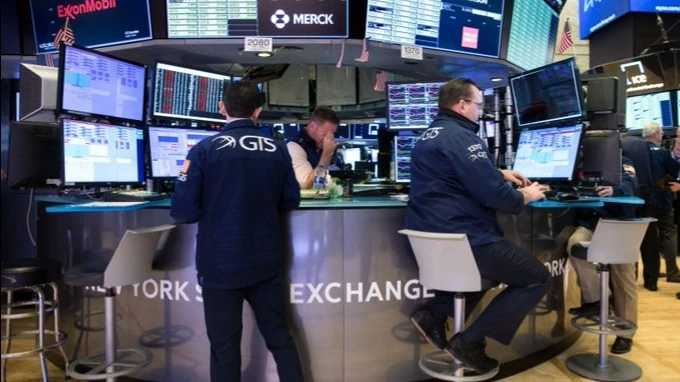
Amid a sell-off, the Nasdaq 100 approached the "bear" zone for the second time this week
The decline in the technology index, which tracks the performance of the 100 largest companies on the Nasdaq, is linked to concerns about the return on investment in AI infrastructure


Photo: X / NYSE
The Nasdaq 100 technology index fell 4.7% on Wednesday. As a result, its decline from its October high reached 20%, Bloomberg noted: if this trend continues until the market closes, the index will enter bear market territory for the first time since April 2025. As of this writing, the Nasdaq 100 was down 0.7% year-to-date.
The decline from the peak has already reduced the market capitalization of Nasdaq 100 companies by more than $8.5 trillion, according to Bloomberg. In recent weeks, investors have been actively selling off shares of technology companies, as well as other risky assets, amid growing concerns about the outlook for the AI sector—primarily regarding the costs of building infrastructure for artificial intelligence.
The mixed reaction to the historic IPO of AI developer Anthropic has dampened market sentiment. Following a record-breaking IPO, Anthropic’s stock has been falling for several days in a row—yesterday, it dropped below the offering price.
What You Need to Know About What's Happening in the Market
Chipmakers have been hit hardest by the sell-off in recent weeks, according to Bloomberg: Nvidia, Micron Technology, Intel, Advanced Micro Devices, Lam Research, and Applied Materials have dragged the Nasdaq 100 down more than any other stocks since its peak. Together, these six companies account for more than 60% of the index’s decline. Nvidia is the biggest laggard: it alone accounts for about 23% of the Nasdaq 100’s decline, as investors try to make sense of Jensen Huang’s abrupt removal and subsequent return as the company’s CEO.
The third-quarter earnings season has heightened investors' concerns about the cost of AI development: infrastructure spending has led to negative free cash flow at major companies such as Alphabet, Meta, and Amazon.
Forecasts for future spending were also complicated by the U.S. midterm elections in early November. A number of Democratic candidates who oppose the construction of new data centers won those elections. If companies cut back on capital expenditures or are hindered by new regulatory restrictions, growth forecasts for companies involved in AI infrastructure—and especially for chip manufacturers—could deteriorate.
Investors had expected Anthropic’s stock market debut to boost the market, but that didn’t happen. Shares of the company—the developer of the Claude chatbot—rose at the opening bell but then fell below the offering price of $83. In Wednesday’s trading, they are falling further, trading at around $79 apiece.
Context
This isn’t the first time in recent days that the Nasdaq 100 has approached “bear market” territory: on November 20, it had already fallen 19.8% from its October high. On that day, it fell 5.6% and also posted its worst week since March 2020.
This article was AI-translated and verified by a human editor