Analysts expect the luxury market rally to continue in 2026. Who to bet on?

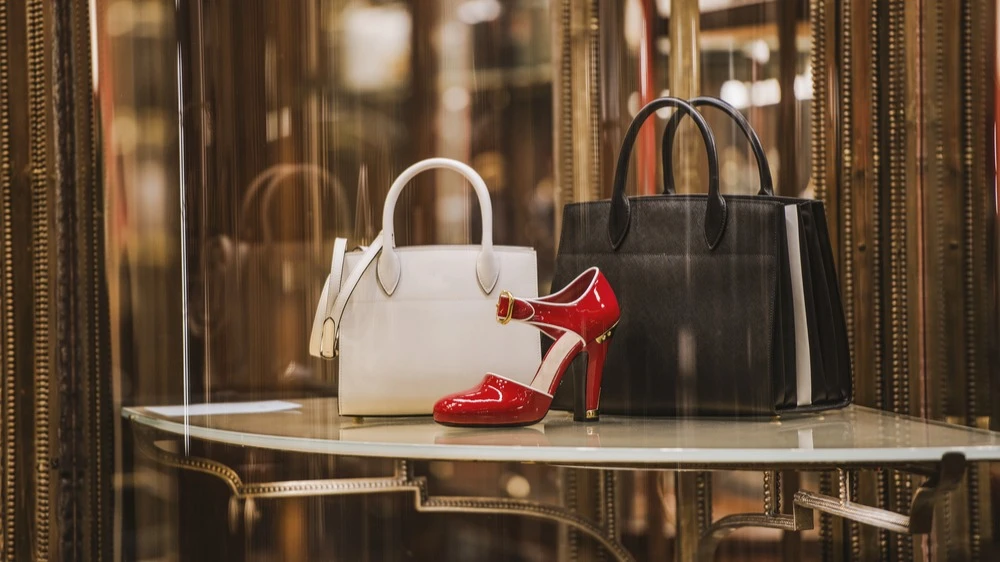
Optimism in the European luxury sector is increasing, with more and more analysts believing that the rally that started in the second half of 2025 could continue into 2026. The recovery is indicated by strong quarterly reporting from luxury goods manufacturers, a rebound in demand in China and the renewal of creative teams at fashion houses. Key market players, including LVMH and Richemont, are already showing signs of a turnaround after two years of decline.
Details
There is growing optimism among analysts that the rally in Europe's luxury goods sector, which began in the second half of the year, will continue into the new year as more signals point to improved prospects for the key sector in the region, Bloomberg writes. Strong third-quarter results from companies, a recovery in demand in China and the appointment of new creative directors at leading fashion houses have bolstered analysts' confidence that the post-pandemic hangover is coming to an end. This has led many of them to improve their forecasts in recent weeks, the agency notes.
"We enter 2026 with hope that the worst is behind us. Although the recovery is in its early stages, there are reasons to be more optimistic on the back of a rebound in demand in China and rising levels of creativity in the industry that could bring shoppers back into stores," said UBS Group AG analyst Zuzanna Pusch. She expects organic sales of luxury goods makers to start growing again next year, up about 5 percent. Spending by Chinese consumers, whose luxury purchases generate more than a quarter of revenue for players in the sector, is expected to increase by about 6% in 2026, after declining by 5% in 2025, according to UBS.
Ciara Battistini of JPMorgan Chase also expects sales in the luxury segment to rebound for the first time in two years. So do HSBC analysts Erwan Ramburg and Ann-Laure Bismuth, who forecast a "full-blown return to growth" for the industry.
Oddo BHF strategist Thomas Zlowodzki this week upgraded his rating on European consumer discretionary companies from underweight, which is equivalent to a sell recommendation on these securities, to neutral, explaining his decision with a positive view on the outlook for the luxury sector.
Who will be the leader of the sector?
Among the companies that can show strong results, analysts highlight Swiss group Richemont, owner of such brands as Cartier and Van Cleef & Arpels. This company was named a top pick by UBS, JPMorgan, HSBC and Deutsche Bank. Richemont, they said, has weathered the downturn better than most of its competitors. In the last quarter, its shares showed double-digit growth and achieved the best result among luxury giants in Europe, ahead of even the owner of Gucci and Balenciaga - Kering, as well as Burberry, whose recovery is closely watched by investors.
"We estimate that LVMH, Richemont, Hermès and Prada will be the leaders in revenue and profit growth in the Chinese luxury market and will increase by 4-6% in 2026. Two years of declines are being replaced by improving quarterly performance. [With] Moncler and Tapestry looking the most resilient, indicating broader recovery drivers and setting the stage for a stronger rebound in the sector next year," predicted Bloomberg Intelligence analysts Deborah Aitken and Andrea Ferdinando Ledgeri.
Most of the optimism around the sector is due to expectations of a turnaround of its flagship, LVMH. The luxury giant's shares are still down about 2% this year, but over the past three months they have risen by 25%. The company unexpectedly returned to growth in the third quarter, including in the Chinese market- just when a grand Louis Vuitton boutique in the shape of a ship opened in Shanghai and caused a frenzy of interest.
"This summer, [LVMH] shares were trading at such a low multiple as if the company would never recover again - I thought that was absurd. Things are still not perfect at LVMH, but they know what to do and have all the skills to realize it," says Flavio Cereda of Swiss investment firm GAM, who doubled the luxury company's stake in his portfolio in June.
What about the stock
Goldman Sachs Group's basket of European luxury companies lost 9% of value in the first half of the year on fears of duties imposed by President Trump and slowing demand in China. It has since rebounded 12%, Bloomberg points out.
At the same time, a significant part of positive expectations is already embedded in prices, and companies will have to confirm them with results to keep investors' interest, the agency warns. The sector's multiple, which reflects the ratio of price to projected earnings, has once again approached the 30 mark, a four-year high. And while that's still below the historical peak, the ratio is about twice as high as the market as a whole, Bloomberg reports.
This article was AI-translated and verified by a human editor