Apollo named the top five macroeconomic and market risks in 2026
They are related to AI and the threat to the Fed's independence, among other things

Apollo Global Management senior economist Thorsten Slok named five negative scenarios for markets that investors should watch out for in 2026.
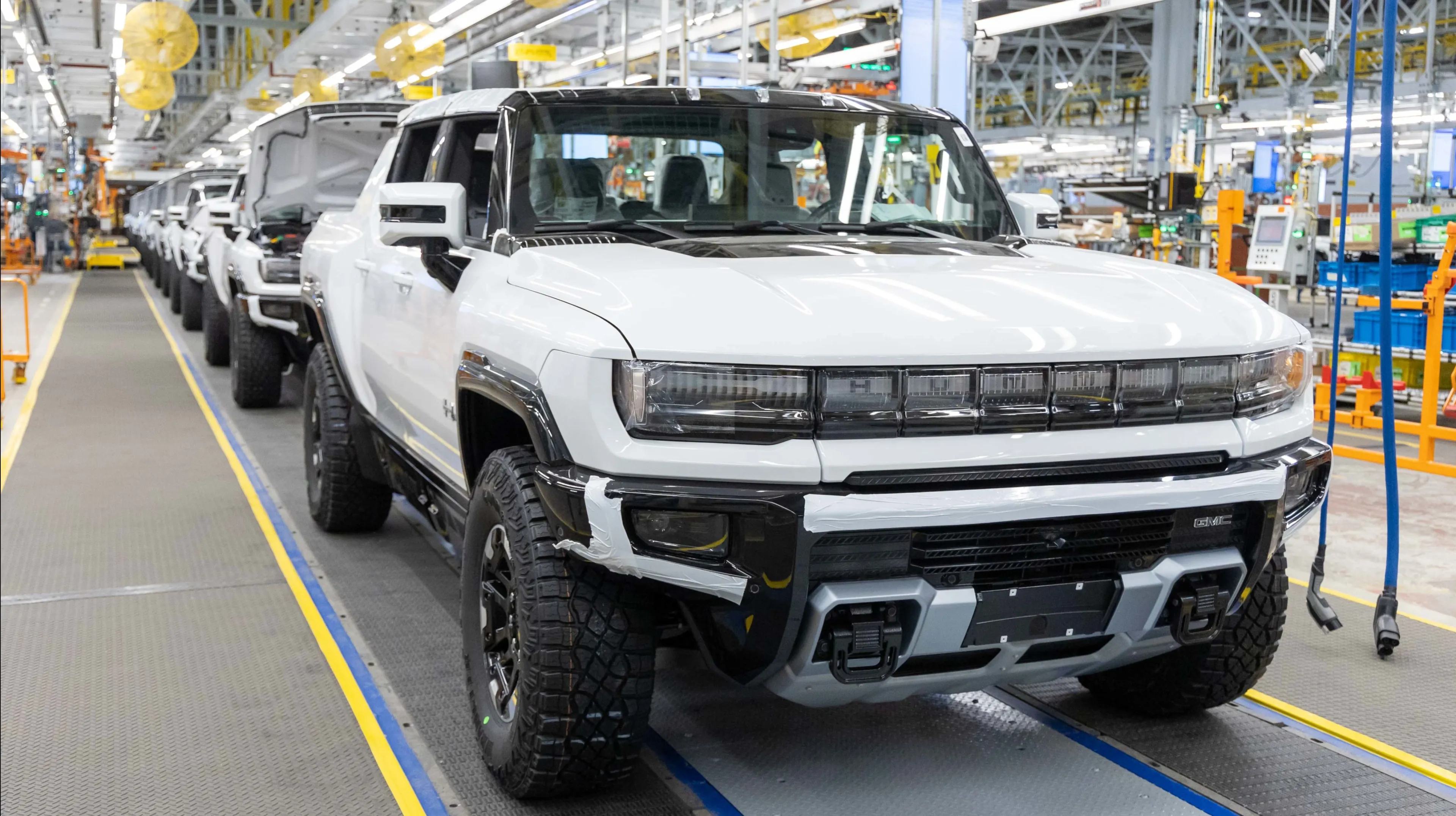
- The U.S. economy is starting to re-accelerate due to the waning shock of the trade war and President Donald Trump's "Big and Beautiful" bill. Inflation is starting to pick up from already high levels.
- The global "industrial renaissance" is giving impetus to global growth: more and more countries are focusing on bringing advanced manufacturing capabilities, infrastructure, energy, defense and supply chain investments to their territories.
- The new Fed chief is lowering interest rates solely for political reasons.
- The AI bubble bursts and leads to a significant correction in the Magnificent Seven stocks and a slowdown in capital spending and consumer spending in the premium segment.
- The surge in the supply of fixed income debt instruments in 2026, associated with growing government budget deficits and hyperscaler securities issuance, is creating upward pressure on rates and credit spreads.
Slocke did not provide any additional comments on the items listed.
Context
In early December, Capital Economics senior economist Neil Shearing listed five macroeconomic themes that he believes will impact the world in 2026. In particular, the economist believes the bubble around artificial intelligence will continue to inflate, but the economic benefits of the technology will also continue to expand. "2026 will bring new evidence of AI's transformative potential, but the economic benefits will be unevenly distributed. The impetus for growth from the technology will be focused primarily on the U.S. and will be driven largely by the soaring capital expenditures required to build AI infrastructure," Shearing wrote.
The Capital Economics economist also predicted that China will continue to maintain low economic growth and deflation, the trade war between the US and China will continue, and central banks will continue to ease monetary policy. That said, Trump will still not get the big rate cut he wants in the US, Shearing believes.
This article was AI-translated and verified by a human editor