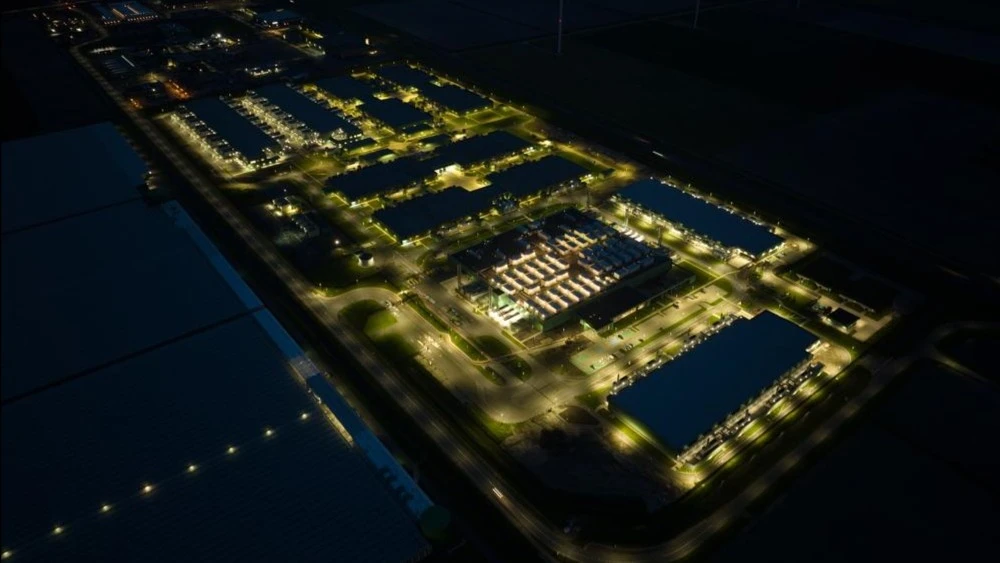
Armenia could become a global AI hub. What does this mean for Central Asia?
Diplomatic efforts by the White House helped launch a data center in Armenia that is set to become one of the largest in Europe


A data center in Armenia received Nvidia superchips that are unavailable to most countries, said U.S. Vice President J.D. Vance during a visit to Yerevan in February 2026 / Photo: X/Nikol Pashinyan
Armenia, which received cutting-edge Nvidia chips with the approval of U.S. President Donald Trump’s administration, is on track to become “one of the world’s leading hubs for U.S. AI infrastructure,” according to Bloomberg. The shipments approved by Trump helped launch a data center in Armenia geared toward foreign users. Its operator—the California-based startup Firebird—is already expanding its operations in Central Asia, while the Armenian company Eleveight AI, which is implementing another similar project, is considering entering the Kazakh market, the agency found.
Chips Instead of War
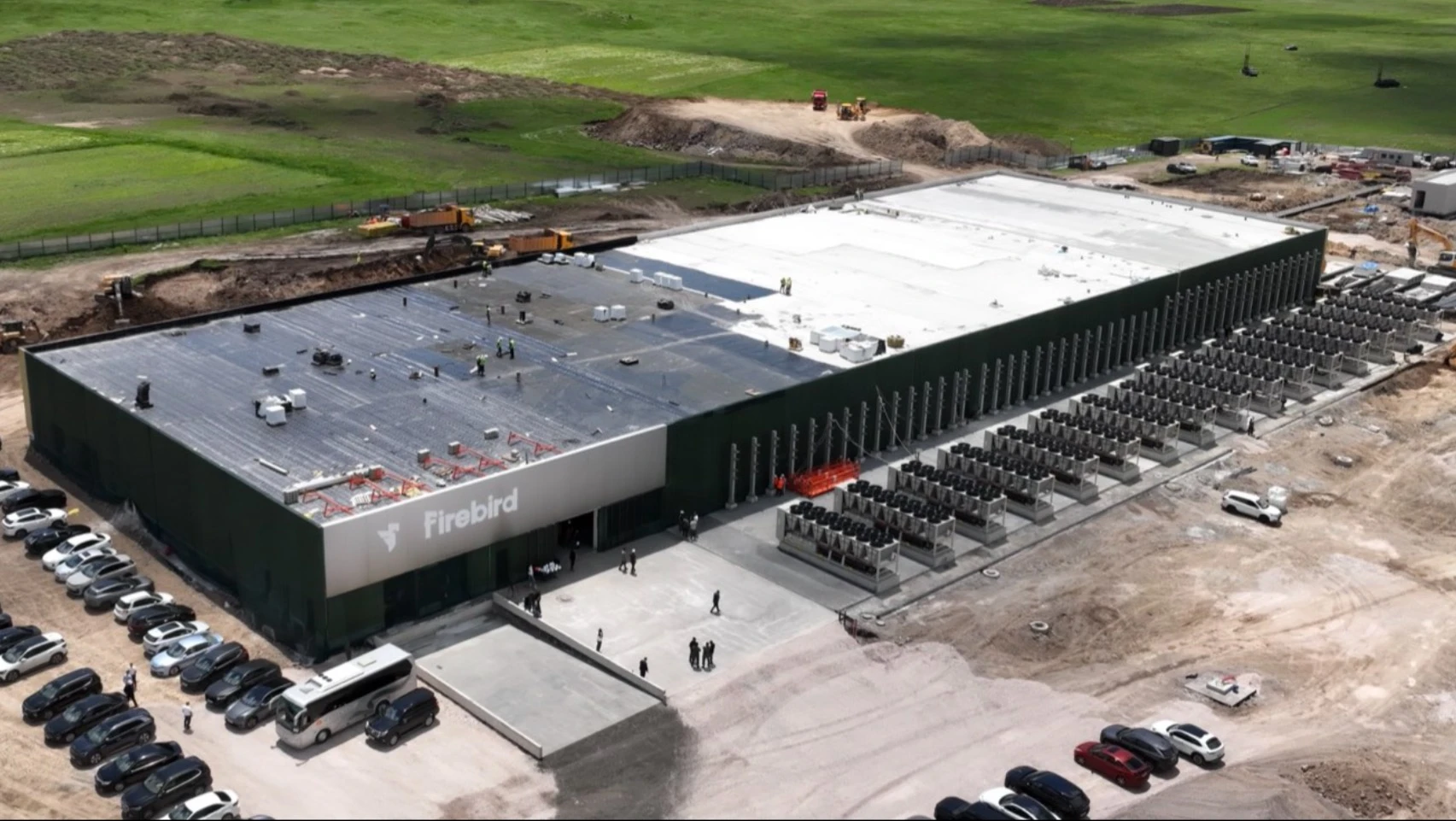
Firebird began operating a data center 45 km from Yerevan in August 2026—exactly one year after the White House summit at which Armenia and Azerbaijan agreed to a peace deal. According to Bloomberg, access to cutting-edge Nvidia processors became one of the tools the Trump administration used to advance the peace talks.
The Wall Street Journal was the first to report on the link between chip shipments and the peace agreement. According to the newspaper, U.S. negotiators proposed expanding the licenses to purchase Nvidia equipment in order to encourage Yerevan to reach an agreement with Baku.
According to a Firebird spokesperson, the company and its partners first applied for permission to purchase Nvidia chips in early 2025 and received the first batch of U.S. export licenses even before the August summit at the White House, Bloomberg reports. Following the peace agreement, Washington approved the delivery of tens of thousands more of the latest AI processors to Armenia.
Firebird CEO Razmig Ovakimyan stated that “the governments of Armenia and the United States fully support” the company’s growth strategy in the country.
A Hub for the Global Market
By the end of 2027, Firebird plans to install more than 70,000 Nvidia chips and increase the data center’s power capacity to 300 MW, according to Bloomberg. According to the company’s own estimates, it will become the largest computing cluster in the region and one of the largest in Europe. According to the WSJ, the project will ultimately cost more than $5 billion.
Firebird has reserved one-fifth of its computing power for Armenian scientists, government agencies, and startups, and has allocated the remainder to foreign companies, including Nvidia’s partner, the U.S.-based Perplexity AI.
Bloomberg compares the scale of this expansion to that of Saudi Arabia’s Humain. In 2025, following months of negotiations between Riyadh and Washington, the kingdom’s leading AI company received an initial shipment of 35,000 Nvidia chips as part of a project to deploy hundreds of thousands of AI accelerators in the Persian Gulf region.
U.S. Vice President Joe Vance emphasized the value of access to Nvidia’s cutting-edge technologies. During a visit to Yerevan in February 2026, he spoke of chips “that simply aren’t available in most countries,” as Bloomberg reports.
Focus on Central Asia
Firebird is already expanding its operations in Central Asia, according to Bloomberg. Another data center operator in Armenia, Eleveight AI, is considering entering the Kazakh market. A spokesperson for Eleveight AI told the news agency that no final decision has been made yet.
The development of AI infrastructure strengthens Armenia’s economic position in a region where major powers are vying for influence over transport links between Europe and China that bypass Russia, Bloomberg notes. The agreements, brokered by the U.S., also provide for the creation of a corridor through Armenia—between Azerbaijan’s main territory and its exclave of Nakhchivan near the border with Turkey.
This corridor, known as the “Trump Route for International Peace and Prosperity” (TRIPP), will be jointly managed by the United States and Yerevan. According to the WSJ, construction is set to begin in early 2027. A State Department spokesperson cited expanding trade opportunities for American businesses and creating “new transit links from Central Asia and the Caspian region to Europe” as among TRIPP’s goals (quoted by Bloomberg).
This article was AI-translated and verified by a human editor