AI may need 1,000 times the power now available. Nuclear tech firms stand to gain.

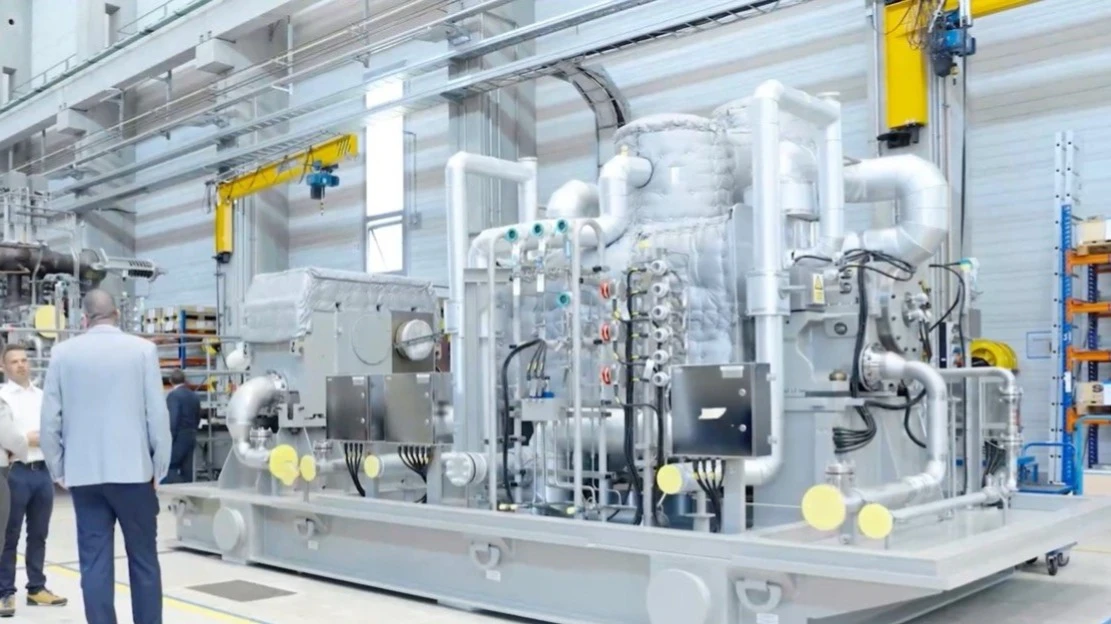
Altman-backed Oklo is building compact nuclear power plants / Photo: X / Oklo
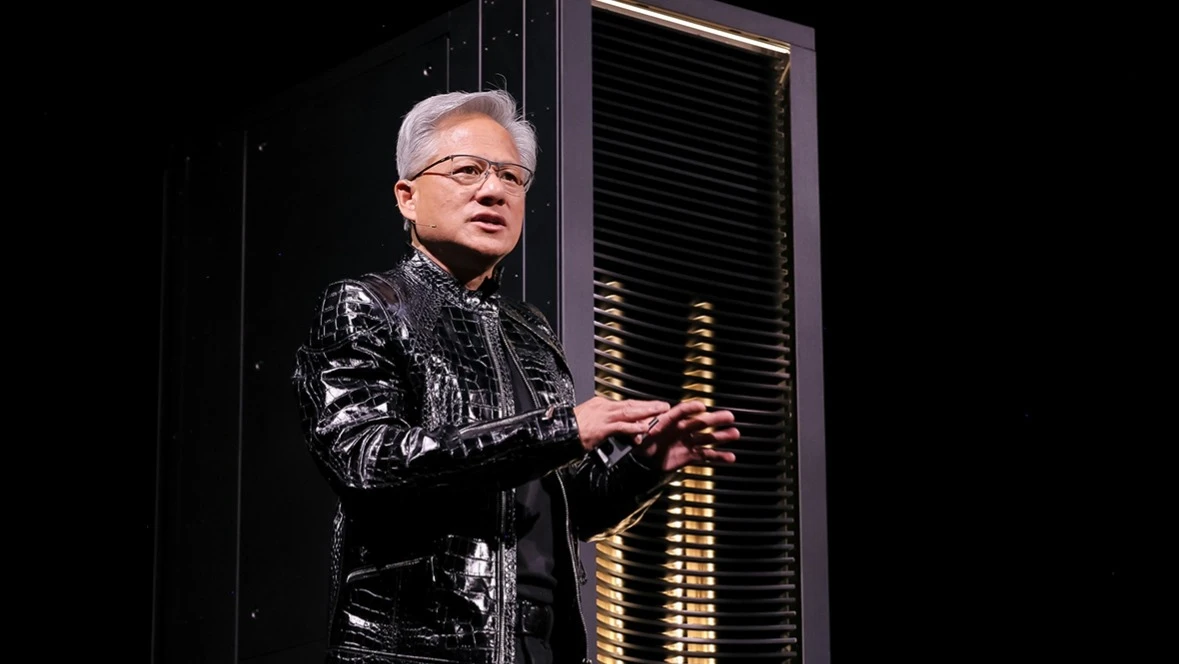
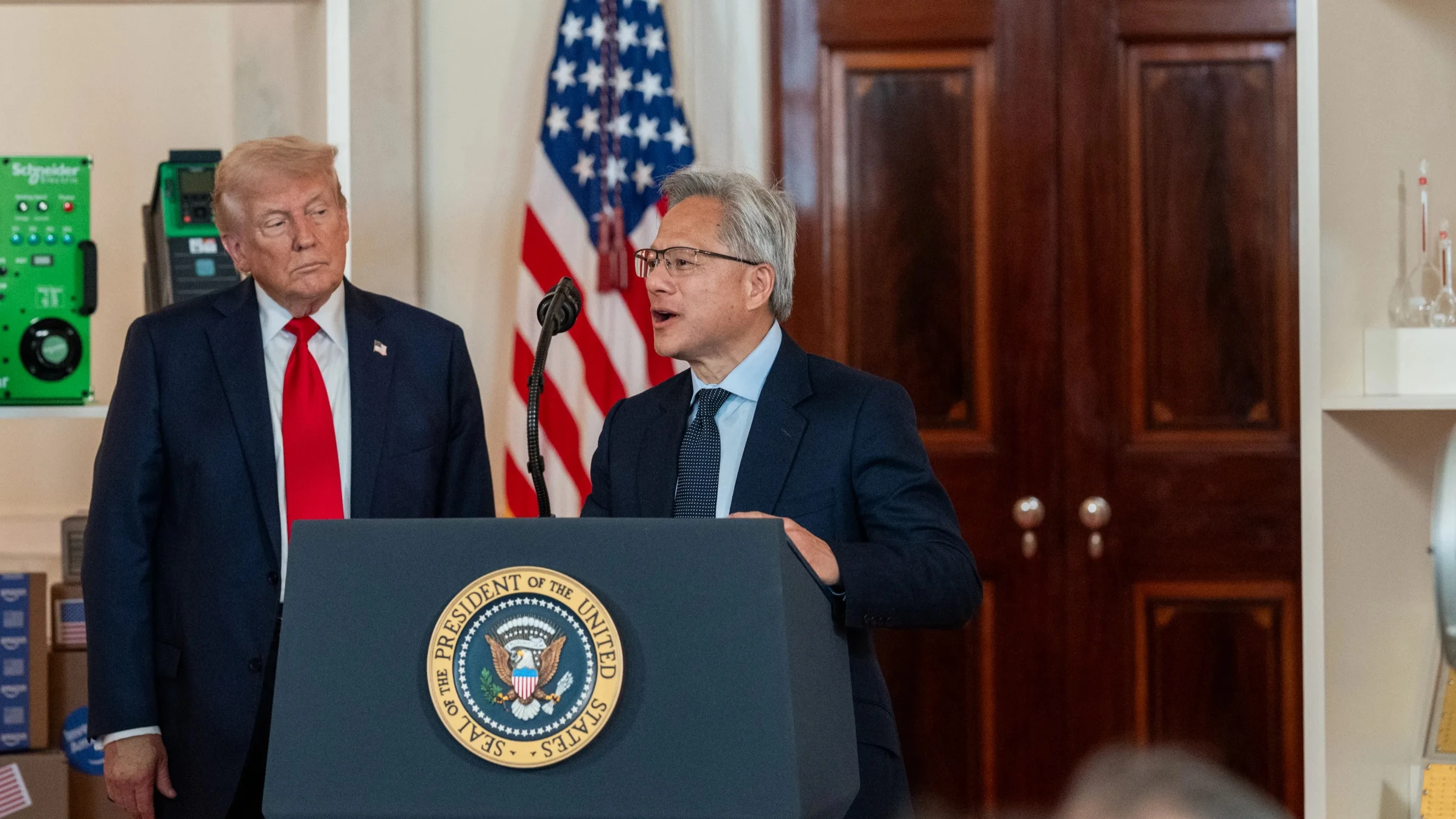
AI computing may need 1,000 times as much electricity as is currently available, scandal-plagued Nvidia CEO Jensen Huang has said. The need for more generating capacity is fueling investor interest in nuclear stocks. Motley Fool contributor Ryan Vanzo singles out two of them: Oklo and NuScale Power.
How much power does AI need?
Global AI investment is likely about a quarter higher than the widely cited estimate, Goldman Sachs Research writes. The figure of $800 billion for 2026 is based on capex at large U.S. tech companies and excludes spending by private firms and those outside of the U.S. Goldman Sachs’ revised estimate puts global AI investment at $1 trillion this year.
Wider adoption of AI will require more data centers. Global spending on data center construction could reach $7 trillion by 2030, McKinsey & Co. estimates. That is a huge sum, but there are real limits to growth, McKinsey’s cautions, as incumbent suppliers cannot keep up with demand for power equipment. Huang said AI computing would probably need 1,000 times as much electricity as is currently available.
That demand is fueling enthusiasm for shares of companies building nuclear power plants, including Oklo and NuScale Power, Vanzo writes. Both companies are developing small modular reactors (SMRs), which have lower power output than traditional large reactors but can be deployed quickly as demand for electricity grows.
Despite the industry hype, BofA estimates that widespread SMR deployment will begin no earlier than the 2030s, a problem for both companies, Vanzo notes. NuScale and Oklo remain unprofitable, and full commercialization of their designs may still be years away. Meanwhile, investors are concerned that AI companies could hold off on backing SMR developers given the availability of cheaper, lower-risk alternatives such as solar power, natural gas, and wind power.
Oklo
Oklo, whose early investors included OpenAI CEO Sam Altman, has nine active projects across five states, according to its site. Oklo aims to start up its first commercial Aurora powerhouse in 2028-2029 and bring the first phase online as early as 2030 at a large campus for tech giant Meta, the owner of Facebook and Instagram.
In November, Oklo announced that it had received final clearance from the U.S. Department of Energy to operate its Groves-1 test reactor. Oklo will use the small reactor to train operators and validate engineering models. The clearance is an important step that turns the test reactor into a working laboratory.
It can provide critical data on how operators interact with the system and how reliably it runs, directly reducing the risks of building and securing approval for larger Aurora powerhouses, Wedbush said in a research note. Meanwhile, William Blair argues that Oklo has shown that it can navigate the same regulatory process Aurora will face. Experience operating Groves-1 will also inform the development of Groves-2 Forge, which is designed to produce isotopes for radiopharmaceuticals, Wedbush noted.
Oklo has few binding agreements and faces high capex, which analysts expect it to finance primarily by issuing new shares. Oklo has 12 “buy” ratings from Wall Street analysts, eight “hold” recommendations, and one “sell.” The average target price of $48 per share implies around 140% upside from the Friday close.
NuScale Power
NuScale Power is the world’s only SMR developer to have received design approval from the U.S. Nuclear Regulatory Commission. Reactor components are already in commercial production, Motley Fool analyst Catie Hogan wrote in October.
NuScale has yet to secure a binding commercial power purchase agreement for a full-scale plant. In September 2025, NuScale and two energy companies, ENTRA1 Energy and the Tennessee Valley Authority (TVA), announced a major project to deploy SMRs. The project has yet to yield a binding contract.
NuScale’s third-quarter revenue plunged more than 96% year over year to $281,000, triggering a selloff in the stock. NuScale gave no timetable for a power purchase agreement with TVA, which is also moving ahead with its own SMR project with a NuScale competitor, Wedbush pointed out in a note following the results. Wedbush also flagged the risk that a deal with RoPower in Romania could fall through. The companies had planned to bring a pilot SMR online in 2033, and the project now faces allegations of irregularities. Wedbush recommends selling the stock.
Investment bank Craig-Hallum takes a different view, having reaffirmed its “buy” rating after the quarterly results. It thinks the market has misread NuScale’s progress by focusing on the absence of high-profile announcements and government contracts. NuScale has already begun buying costly components and expanded its manufacturing agreement with South Korean industrial giant Doosan Enerbility. Those moves suggest NuScale sees an SMR supply contract as inevitable, in the view of Craig-Hallum. NuScale also highlighted its sizable liquidity cushion of about $1.9 billion as of September 30.
Six analysts have “buy” calls on NuScale, six have “hold” ratings, and five recommend “sell.” The average target price of $7.60 per share implies 127% upside.