SpaceX shares soared after Jefferies issued a "buy" recommendation. It expects a 60% increase.
The investment bank believes that the company's artificial intelligence division will account for the bulk of its future market capitalization

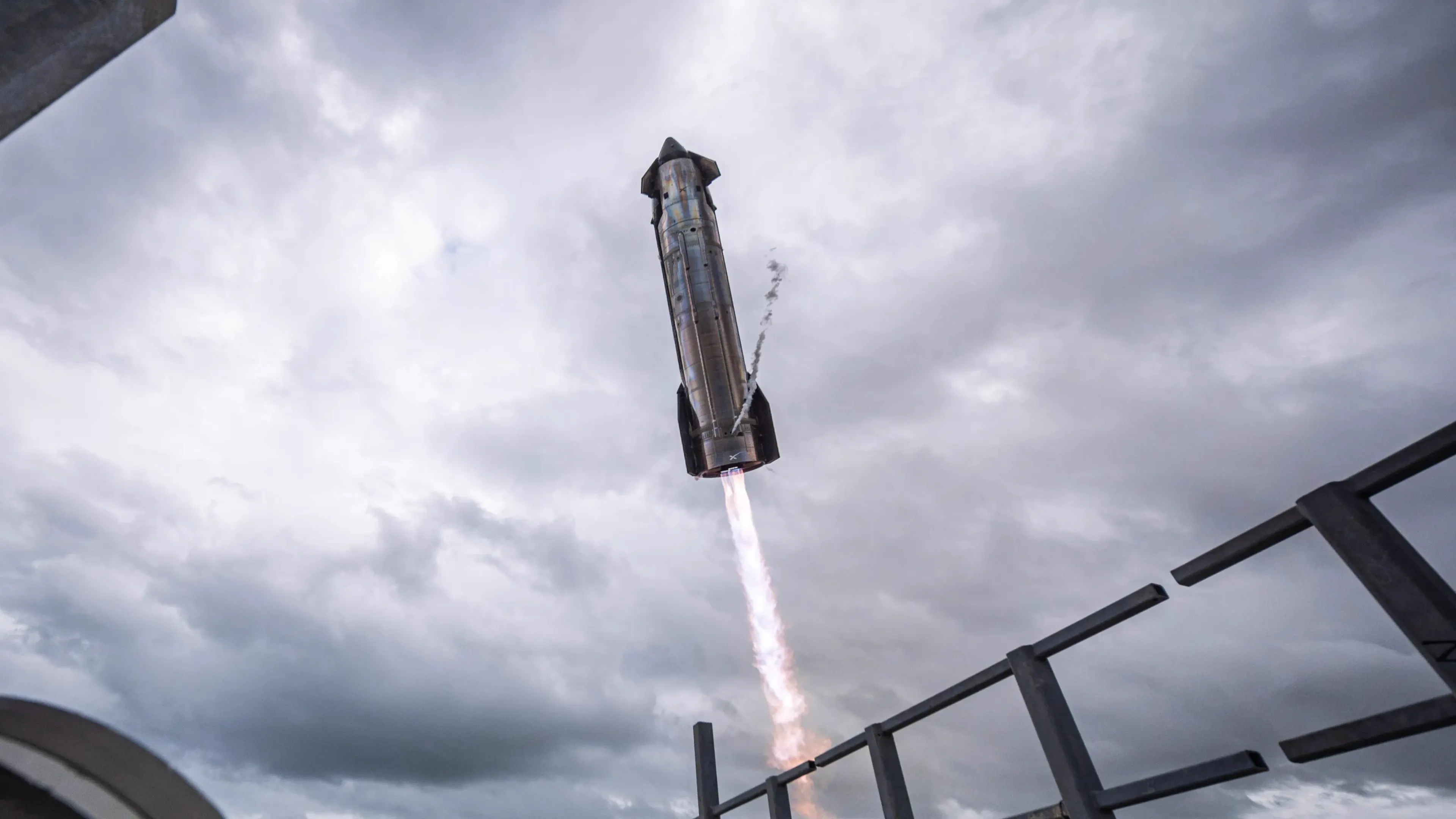
Jefferies Expects SpaceX Shares to Rise 50% / Photo: X / SpaceX
SpaceX shares rose 9% on November 23 after investment bank Jefferies initiated coverage of Elon Musk’s company with a “buy” rating. By the close of trading, the stock had given up some of its gains, ending the day up about 4.4%. The price target set by Jefferies implies that SpaceX’s market value will increase by another 58%.
Details
In its forecast, Jefferies relies primarily on SpaceX’s future revenue from artificial intelligence, rather than its rocket business. Sheila Kahyaoglu, an analyst at the investment bank, valued the company at approximately $3.08 trillion using the sum-of-the-parts valuation method, according to Yahoo Finance. As a result, 68% of this valuation came from the AI division, which includes data centers, the Grok model, enterprise software (including Cursor), and the X platform. On a per-share basis, this segment contributes $159. Starlink contributes another $71, and rocket development and launches account for just $5.
SpaceX’s AI business is “the main driver of our forecasts and our valuation,” Kahyaoğlu wrote. According to Jefferies’ forecast, the segment’s revenue will grow from $26.8 billion in 2026 to $536.5 billion by 2030—representing a compound annual growth rate of 112%.
According to Kahyaoğlu, the bulk of the growth in computing power in the coming years will occur on Earth, rather than in orbit. Jefferies expects that by 2030, the total capacity of SpaceX’s ground-based data centers will increase nearly 11-fold thanks to the company’s own energy infrastructure. The bank estimates that the major computing contracts that have been announced will generate approximately $63 billion in annual revenue once fully deployed. Analysts described the StarMind orbital project as a “longer-term option,” incorporating 4.1 GW of orbital capacity by 2030 into the model—representing 13% of the total.
What's going on with Starlink?
Investbank also expects significant growth in Starlink’s satellite communications business: the company’s revenue is projected to increase 12.4-fold to $140.8 billion by 2030. The number of broadband subscribers during this period could jump from 8.9 million to 98.1 million, while average monthly revenue per user will nearly halve. In addition, the company plans to launch a direct connection service to the Starlink Mobile satellite network in 2028. Jefferies expects it to attract 79 million subscribers by 2030.
"The communication is the clearest evidence that SpaceX's flywheel is working," Kahyaoğlu noted.
By the end of the third quarter, SpaceX had conducted 124 launches, with the company’s own satellites—primarily Starlink—accounting for about 83% of the payload mass placed into orbit. Jefferies calls the Starship rocket a “critical turning point”: the bank projects the number of launches to grow from 49 in 2027 to 735 in 2030, and the cost per launch is expected to drop from $1,828 per kilogram in 2026 to approximately $505 by 2030.
What risks is Jefferies warning about?
Despite the optimistic forecasts, Jefferies highlights the scale of the necessary investments. According to the analyst’s estimates, SpaceX’s free cash flow will remain negative throughout the entire period leading up to 2030. The company’s capital expenditures in 2030 could reach $588.8 billion, with a total of $1.8 trillion for the 2026–2030 period. The bank assumes in its model that SpaceX will raise approximately $522 billion in external debt during this period.
SpaceX has faced objections from creditors regarding the possible shipment of chips into space, where they could be used to equip orbital data centers. Creditors are concerned that, in the event of a default by the borrower, such loan collateral would be difficult or impossible to recover, the Financial Times reported earlier. Last week, SpaceX completed a $32 billion bond offering with an 8% annual yield. Jefferies notes that this leaves the company dependent on continued access to capital markets.
What Others Are Saying
SpaceX shares have fallen 9% since its IPO. As of November 23, the average price target set by Wall Street analysts implies an 88% increase from the last closing price.
According to MarketWatch, 37 analysts recommend buying the rocket company's stock, eight have a neutral stance, and two more advise selling the stock.
This article was AI-translated and verified by a human editor