"Best chance of existing for 100 years": Buffett on Berkshire's future after his departure
On Buffett's last day as Berkshire CEO, the company's shares fell by $600 in price.

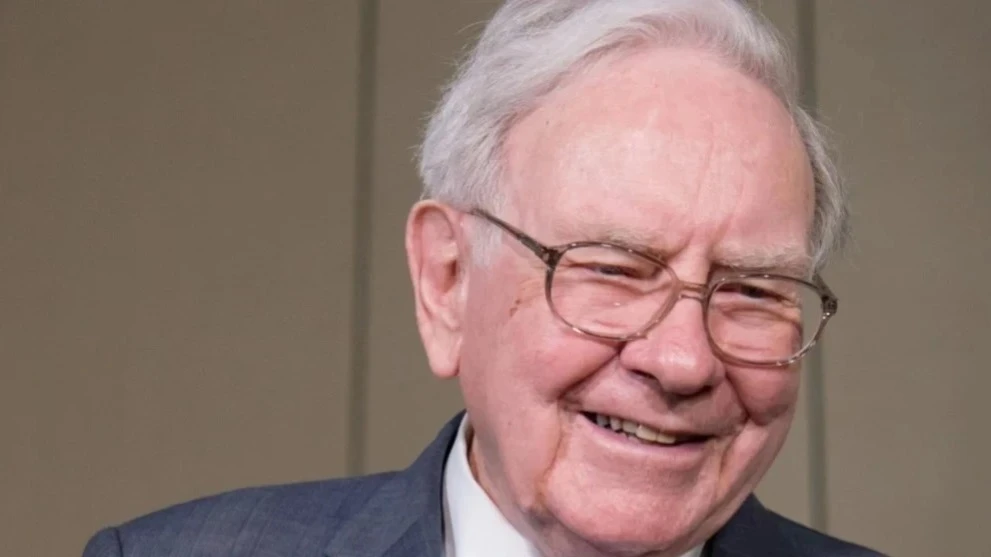
Berkshire Hathaway has a unique reserve of strength that will allow it to outperform its competitors for the next 100 years, Warren Buffett said after stepping down as head of the company he had led for six decades. On the legendary investor's last day as CEO, December 31, 2025, Berkshire shares closed lower. During his tenure, Buffett delivered returns of over 6,000,000% to investors, leaving the S&P 500 far behind.
Details
The legendary investor claims that Berkshire is now better positioned than any other company to remain effective for the next hundred years. "I think it has a better chance of surviving 100 years than any other company I know," Buffett said in an interview with CNBC, which aired on January 2. On January 1, 2026, the 95-year-old Buffett handed over the reins of Berkshire Hathaway to his partner Greg Abel, retaining his position as chairman of the board of directors.
At the New York Stock Exchange on December 31, 2025—Buffett's last day as CEO—Berkshire's Class A shares lost $600 in value, falling 0.1% to $754,800, while Class B shares fell $1.06, or 0.2%, to $502.65. Although Berkshire's stock under Buffett's management has never closed the year in the red, in 2025 it lagged behind the US stock market: the benchmark S&P 500 index gained 16.4% over the year thanks to the hype surrounding artificial intelligence, while Berkshire's long-term investment-oriented shares rose 10.9%.
Context
At the same time, the "Oracle of Omaha" significantly outperformed the US stock market over the long term. When he took control of Berkshire in 1965, which at the time specialized in textile manufacturing, the company's shares were trading at around $19, CNBC recalls. Investors who were lucky enough to own Berkshire shares since then have earned a return of about 6,100,000% including dividends, while the S&P 500's return over the same period was only 46,000%, Reuters calculated.
"Will the company's strategy fundamentally change? No... The culture of Berkshire Hathaway, in which I have invested — patient, long-term, cautious, and decisive investing — is likely to remain," Ann Winblad, managing director of Hummer Winblad Venture Partners and a long-time Berkshire shareholder, told CNBC.
This article was AI-translated and verified by a human editor