Brent price jumped above $108 per barrel for the first time in almost a week
Oil market could be feverish until 2027, warned Saudi Aramco head Amin Nasser

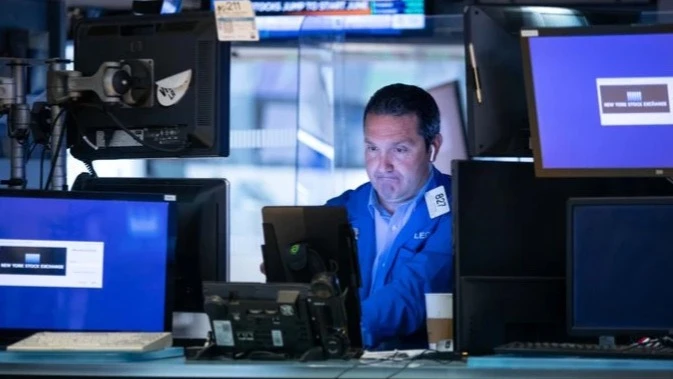
Instead of détente in the Middle East, traders saw Washington and Tehran preparing for a new round of escalation / Photo: X/NYSE
Futures for the benchmark grade of oil Brent with execution in July rose in price at the auction on Tuesday, Ma 12, by more than 3% and exceeded $108 per barrel. The last time quotations were so high almost a week ago - on May 6, the price reached $109, after which the barrel began to fall in price. The new jump in prices on the market was provoked by the aggravation of the situation between Washington and Tehran: traders fear that supplies through the Strait of Hormuz will be blocked seriously and for a long time, Trading Economics states.
What happened
The market reacted to the U.S. rejection of the Iranian plan: Tehran demanded the lifting of the naval blockade and easing of sanctions, but wanted to retain control over traffic in the strait. However, instead of détente, investors saw preparations for a new phase of war. According to Axios, citing two U.S. officials, Trump is ready to use force to squeeze Iran and extract concessions on the nuclear program.
Among the working options are a return to the Project Liberty operation to convoy merchant ships and strikes on military facilities that survived past attacks. Israel, for its part, is lobbying for a special operation to seize Iran's stockpile of enriched uranium, but Washington considers the idea too risky, Axios sources say.
On Monday, Ma. 11, Trump effectively acknowledged the failure of negotiations with Iran, calling Tehran's latest peace proposal "garbage.""I would put it this way: this truce is now on the most powerful artificial life support system - well, that's when a doctor comes in and says, 'Sir, your loved one has about a 1% chance of survival,'" the US president said.
Trump is unlikely to order the bombing of Iran before May 15 - before he returns from Ma, where he will meet with Chinese President Xi Jinping on May 14, according to Axios' interlocutors.
Why it's important
The blockade of the Strait of Hormuz, through which 20% of the world's oil and gas supplies passed before the war, has already resulted in a sharp reduction in the supply of raw materials to the world market. Saudi Aramco head Amin Nasser estimates that the global economy is missing about 100 million barrels a week. If tankers do not go through the strait soon, the market will be feverish at least until next year, Nasser warned.
This article was AI-translated and verified by a human editor