Brent rises, stock futures fall: what's happening on the markets after the weekend


Photo: X / NYSE
Oil prices rose and U.S. stocks were down slightly in early trading Monday.
- May futures for Brent rose by 2.4% to $105.61 in early trading. WTI crude oil rose by 2% to $100.91.
- Futures on the S&P 500 and Nasdaq 100 were down about 0.2 percent at the open.
"The moves are small and the market is hesitant, with investors balancing signs of optimism over the idea that Trump may be looking for a 'way out' in the form of a deal, and the latest escalation with the attack on Kharq Island, vital to Iran's oil exports," Bloomberg commented.
Traders, as the agency wrote, especially closely followed the opening of oil trading after last Friday's U.S. strike on Kharq Island in the Persian Gulf, where Iran's largest oil terminal is located. The attack was reported shortly after the stock exchange closed. US President Donald Trump said military facilities were destroyed but the oil infrastructure survived. Iran's Fars news agency said exports from the island continued as normal, Bloomberg reported. Iran has responded with attacks on Israel and Arab states in the Persian Gulf. However, the attack on Kharq, through which almost all Iranian oil exports pass, has raised concerns that the incident will exacerbate disruptions in oil supplies, which the IEA called the largest in history, the agency said.
Context
The war in the Middle East continues for the third week. During this time, the cost of the benchmark Mark Brent has risen by 40%. World stock markets have fallen by more than 5%. The S&P 500 index fell 5% below the record high reached in January. The yield on 10-year U.S. Treasury bonds hit 4.28% on Friday, having risen more than 30 basis points in March.
Trump told NBC News on March 14 that Iran "wants to make a deal," but he himself is not yet ready for an agreement because the terms are "not good enough." He also said the U.S. is working with other countries on a plan to secure the Strait of Hormuz.
For its part, the Iranian Foreign Ministry said that Tehran sees no reason to negotiate with the Americans. Apparently, both sides are set for a protracted conflict, states Reuters. The Pentagon estimates that the Iran campaign could take four to six weeks, White House economic adviser Kevin Hassett said March 15 on CBS, noting that the U.S. is ahead of schedule. "We expect the global economy to have a strong positive momentum once this is over," he said.
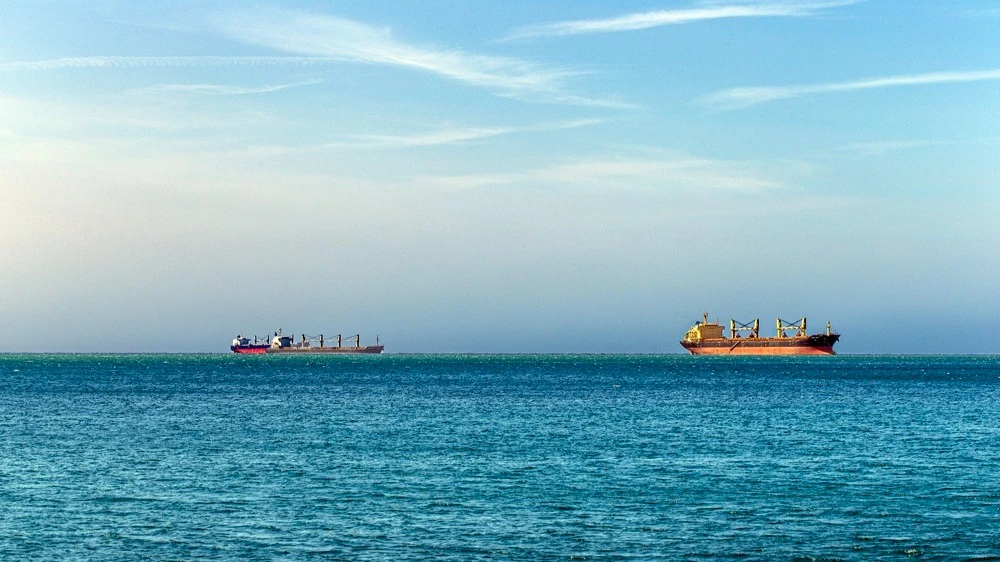
"Trump's call for a resumption of shipments through the Strait of Hormuz may reassure investors a bit psychologically, but markets will ultimately look for concrete signs that shipping is indeed resuming," Pepperstone strategist Dilin Wu told Bloomberg. - In geopolitics, investors tend to trust the flow of tankers more than the tone of statements."
This article was AI-translated and verified by a human editor