Buyback and discount bet: Michael Burry bought four stocks outside the AI frenzy
While the market is paying for the future AI effect, investor are buying companies where earnings and share repurchases are already working for shareholders

Burry sees Alibaba as China's most advanced AI company / Photo: Robert Way / Shutterstock.com
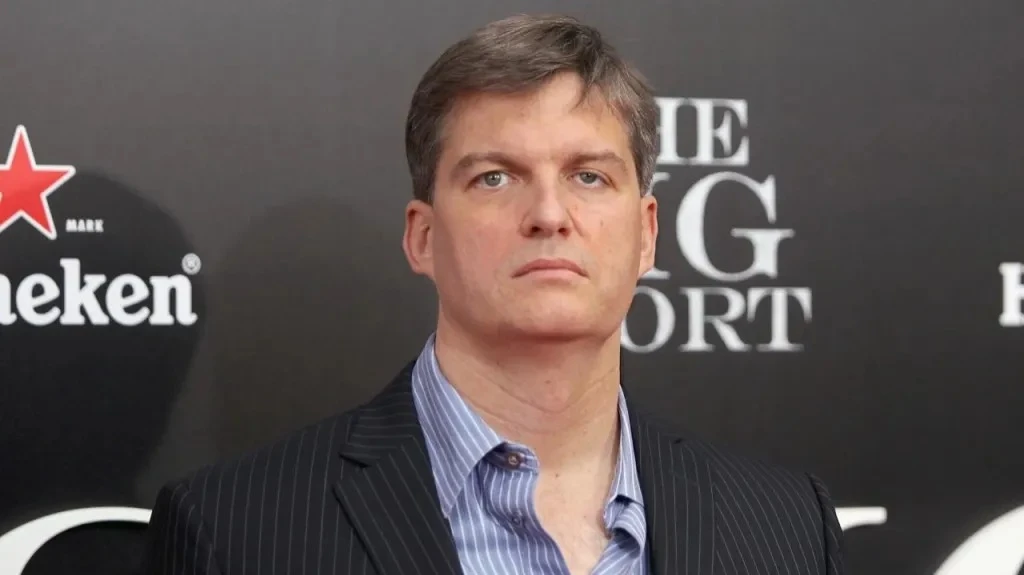
Michael Burry, who became the prototypical character in the movie "The Downgrade Game," is once again buying stocks that the market is writing off. He believes investors have gotten too caught up in betting on artificial intelligence and are undervaluing large, profitable companies that are buying back their shares and have low debt loads. Burry said on his Cassandra Unchained blog on June 12 that he had bought up shares of Adobe, Veeva, PayPal and Alibaba.
"Shares of these companies are now losing ground in the battle for capital that is flowing en masse into the artificial intelligence field, and amid inflated expectations of 'maximum AI' - future scenarios that are unlikely to materialize."
According to Burry, major technology companies are spending hundreds of billions and even trillions of dollars on large language models, though so far he sees them mainly as an attempt to create "the latest search engine." Training such models, the investor writes, already faces diminishing returns to profitability and return on capital.
Burry is betting on a different part of the market - large companies with significant earnings, low debt, share buybacks and valuations below 10-year earnings. For example, the investor has increased his position in Adobe at $199.59 per share. In this paper, he highlights the combination of a sagging price and high margins: the company's gross margin, according to his data, is 89.4% and is near all-time highs.
Adobe has been a key bet for Burry before. In April, the investor wrote that the company and three other stocks account for about 20% of his portfolio, and he ranked it second in his ranking of companies in the software and payments sector, calling market fears that generative AI would displace Adobe's products exaggerated. Burry said big brands still need licensed content and control over its use, and Adobe's services are used by 99 Fortune 100 companies.
Burry continues to hold Veeva stock - the company is one of the four securities that account for about 20% of the investor's portfolio. Burry increased his position in the software developer at $159.05 per share. For Burry, this is a bet on a company with a sagging valuation and limited competitive risk: the stock is back to lows, with P/E and P/S well below historical levels. He sees the competitive threat from Salesforce as exaggerated: it applies primarily to Veeva's CRM business and barely touches Vault, the company's core platform.
Burry also bought PayPal at $40.98 a share. For him, it's a bet on the gap between market pessimism and business economics: the company is trading for 7-8 yearly profits and is actively buying back its own shares. Burry opened a position in PayPal in April, betting on the stock's recovery from the "software apocalypse"
In addition, Burry increased his position in Alibaba at $111.90 per share. He attributes his interest in the company to its strong AI strategy, with Burry calling Alibaba China's most advanced company in this area. In addition, Alibaba is buying back its own shares, and according to the investor, this continues to work in favor of common shareholders, although the market is not yet reflecting this in the stock price.
"Right now, the stock is trading well below its recent highs. But when the time comes, the stock will show explosive growth and go far up. I also continue to hold positions in other Hong Kong stocks as well"
This article was AI-translated and verified by a human editor