"Volatility Is the New Normal": Shell Posts Second-Highest Profit in Its History
Trading and high prices offset the decline in gas production

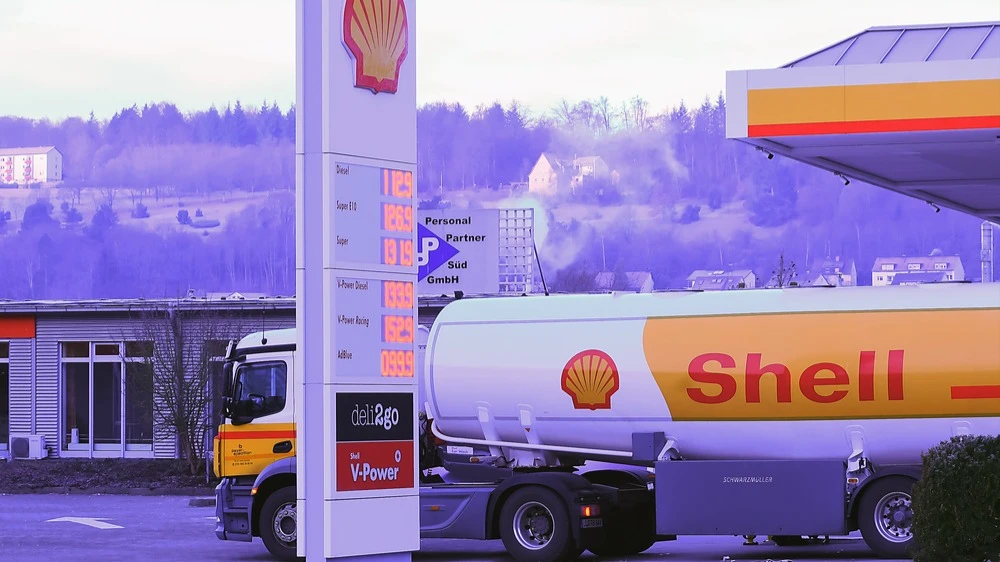
In the second quarter, Shell operated its refineries at levels above design capacity to capitalize on rising fuel prices / Photo: Vytautas Kielaitis/Shutterstock.com
Rising oil and gas prices, improved results from LNG and oil trading, and higher margins in the chemicals business helped Shell post the second-largest quarterly profit in its history. The war in the Middle East led to a decline in gas production and disruptions in refining in Qatar, but it also opened up new opportunities for the oil and gas giant’s traders.
Details
In the second quarter, Shell reported $9.8 billion in adjusted profit, compared with $4.3 billion a year earlier. The result exceeded analysts’ consensus forecast of $8.9 billion. The company hasn’t earned that much since the second quarter of 2022, when the full-scale conflict between Russia and Ukraine turned the global energy market upside down, according to the Financial Times (FT).
Shell's operating cash flow reached $21.4 billion—its highest level since 2022. Of that amount, $3.4 billion came from working capital.
During trading in London on July 30, Shell shares rose 1.9% at one point, outperforming the STOXX Europe 600 Oil & Gas index.
Trading Instead of Gas
In April–June, Shell capitalized on market disruptions and volatility caused by the U.S. conflict with Iran: its major trading units—and, similarly, those of BP and TotalEnergies—had more opportunities to make deals, Reuters explains.
Shell’s integrated gas business, which includes the world’s largest LNG trading division, posted a profit of $2.7 billion—significantly higher than market expectations and 55% higher than a year earlier. This comes despite the fact that gas production plummeted by 31% compared with the first quarter, according to Reuters. Shell attributed the decline in production to the forced shutdown of its Pearl GTL plant in Qatar— the world’s largest facility for converting gas into liquid fuel.
“We have one of the largest and most efficient energy trading divisions in the world, and that allows us to handle situations like this,” Shell CEO Wael Sawan said on CNBC. According to him, the current conditions have provided the company with “a very strong tailwind.” “I’ve been in this role for 15 quarters now. And for each of them, I would say: volatility is the new normal,” Savan noted.
Shell’s chemicals and fuels business, which includes petroleum products trading, also exceeded consensus estimates and generated $2.3 billion in profit for Shell, compared with $118 million a year earlier. According to Reuters, this is the division’s best quarterly result since 2021. As prices for petroleum products, including jet fuel and diesel, remained high, seven of Shell’s refineries operated above capacity—at 102% utilization—to meet demand, the FT adds.
Shell isn't in a hurry to share
Over the past three years, Shell has outperformed its competitors in terms of total shareholder return, but in 2026 it began to lag behind them. In May, Shell reduced its share buyback program to $3 billion. Despite generating excess profits, the company decided not to increase the buyback volume in the third quarter, according to the FT.
Shell's stock in London has risen by nearly a quarter since the start of the year. The most common analyst recommendation for the stock is “Hold”: 18 experts maintain this view, while another 15 recommend “Buy” or “Overweight,” according to FactSet data. There are no “Sell” recommendations.
This article was AI-translated and verified by a human editor