Middle East oil supply disruption surpasses losses from 1970s crises - IEA

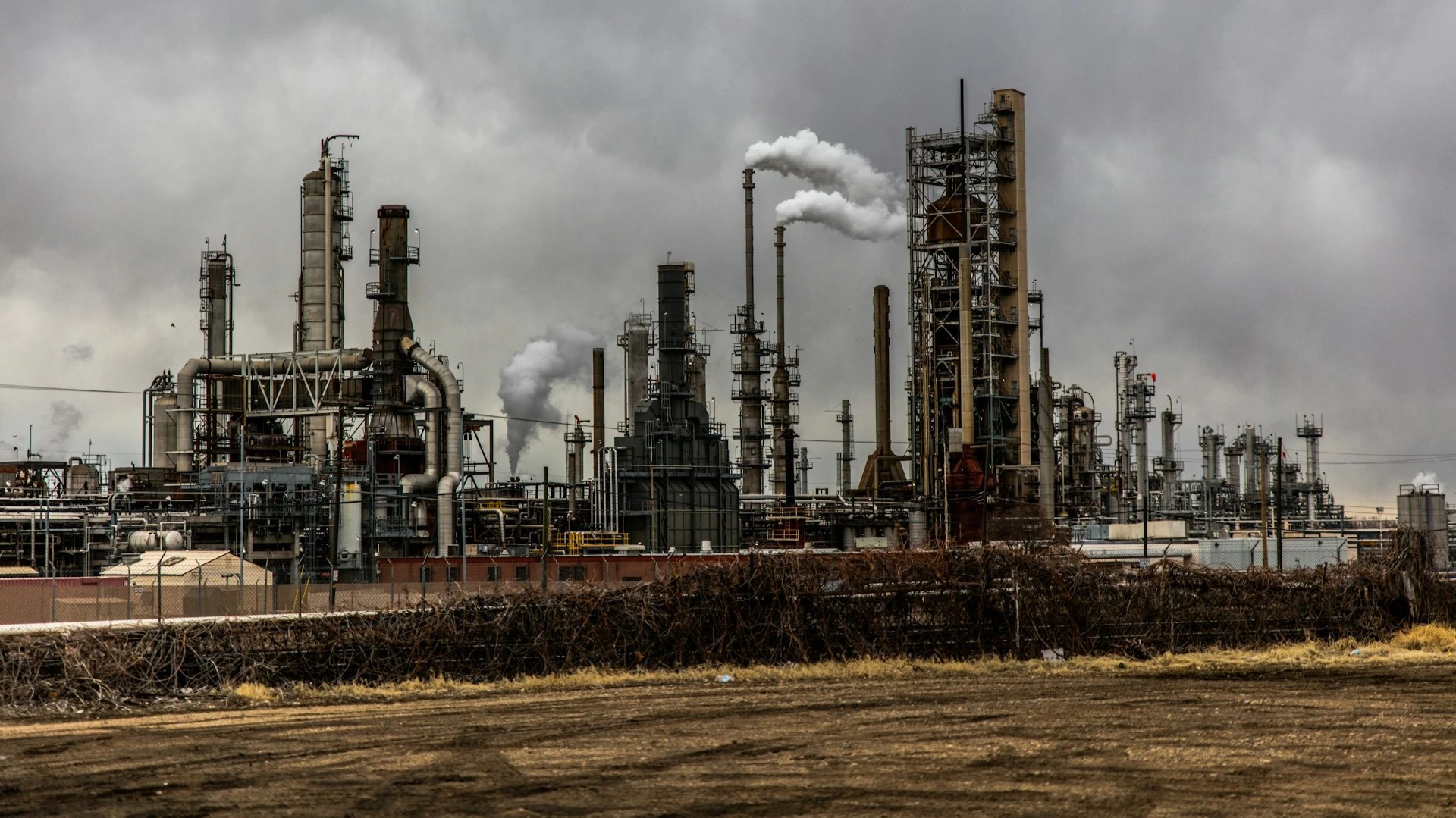
Oil supply disruption exceeded the losses of the crises of the 1970s. Why does it matter? / Photo: unsplash.com / Patrick Hendry
The war with Iran has caused an oil supply disruption that has already exceeded similar disruptions during the crises of the 1970s; it will take at least six months to restore oil and gas supplies from the Persian Gulf, Fatih Birol, head of the International Energy Agency (IEA), told the Financial Times.
Details
IEA chief Fatih Birol warned in an interview with the Financial Times that the conflict in the Middle East poses "the greatest threat to global energy security in history."
He said supply disruptions have already affected more oil than during the energy shocks of the 1970s (the energy crises of 1973 and 1979-1980 - the first was linked to the OPEC embargo on oil supplies to the U.S., Britain and Japan for their support of Israel in the Doomsday War, the second to the Islamic Revolution in Iran). And the amount of gas that has become unavailable since the latest escalation of conflict in the Middle East began is double the amount Europe will lose after Russia's supply is cut off in 2022, Birol said.
"About a fifth of the world's oil and gas supplies have been locked out of the [Middle East] region [since late February], but markets and policymakers are underestimating the scale of the crisis. People realize that this is a serious challenge, but I am not sure that the depth and consequences of the situation are fully understood," the IEA chief said.
The disruptions, he pointed out, have already affected not only energy markets, but also deliveries of fertilizers, petrochemicals, sulfur and helium from the Persian Gulf countries: "Vital arteries have stopped... these are key commodities for the world economy," Birol said. Even if the war ends soon, it will take months to restore infrastructure, the IEA chief said.
The International Energy Agency had already announced on March 11 the release of 400 million barrels of oil from strategic reserves to contain prices and make up for supply disruptions. "We still have 80 percent of the oil in reserve," Birol said, but emphasized that actions to release crude from reserves would not fully compensate for supply disruptions. "The most important thing is to restore transit through the Strait of Hormuz," the IEA head explained.
He also noted that a new energy crisis could lead to structural changes in global energy - accelerating the shift to renewable sources, the growth of nuclear power and increased demand for electric vehicles, as well as a temporary increase in the use of coal, as has already happened after the oil shocks of the 1970s.
Context
Energy prices may continue to rise as long as supplies through the Strait of Hormuz - a key route for oil and gas exports from the region - are disrupted, Birol said. Brent crude futures rose above $110 a barrel on March 20 amid Iran's attacks on Gulf energy infrastructure.
This article was AI-translated and verified by a human editor