Citi Expects Figma's Declined Stock Price to Double. How Can AI Save the Company?

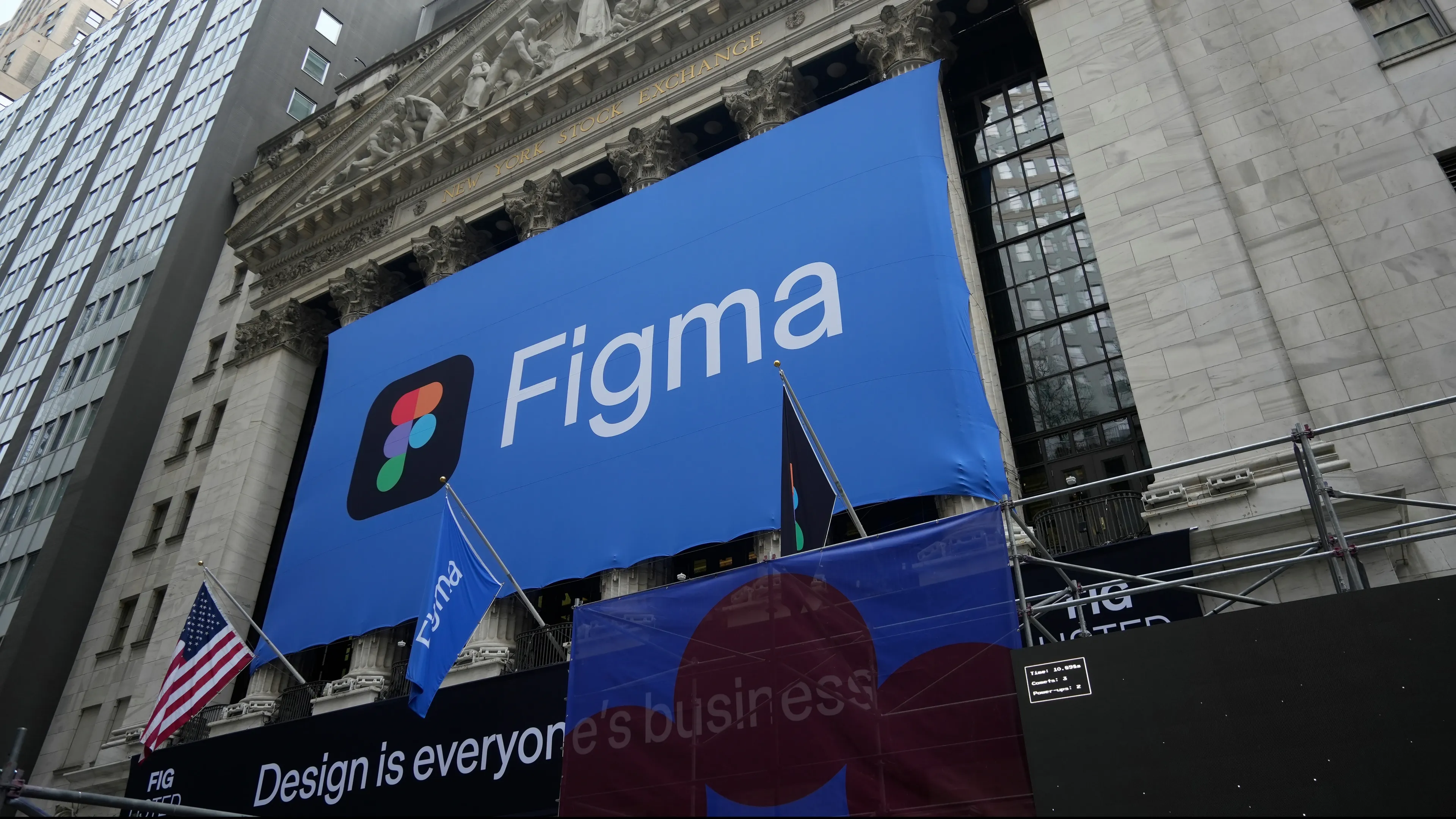
Following its IPO in July 2025, Figma's stock price fell by 77% / Photo: rblfmr / Shutterstock.com
Citi Research analyst Tyler Radke has initiated coverage of Figma, a software maker for designers, with a “buy” rating and a price target of $36, according to Barron’s. This target is nearly double the current share price. During trading on June 17, Figma’s stock rose more than 6% to $19.1.
Meanwhile, the company’s stock has plummeted 52% since the start of the year, while the S&P 500 index has risen 9.7%. Like many software developers, Figma has come under pressure due to the so-called “software apocalypse”: investors fear that AI will replace its flagship product.
Radke acknowledges that the design software market faces specific risks: generative AI is reducing the time spent on projects and the level of expertise required for prototyping and idea generation, thereby blurring the lines of “who counts as a designer.” However, lowering the barrier to entry for design tools “increases the importance of structured workflows,” the analyst wrote in a note cited by Barron’s. Citi expects Figma to become the “go-to platform” that unifies such processes.
Figma charges on a "per seat" basis, taking into account both the total number of users and the level of the paid license required to access specific tools. Although the spread of AI raises, in Radke’s view, legitimate concerns about job losses, he believes the company has “sufficient offsetting growth drivers” that can more than offset any potential slowdown in user base expansion.
The analyst noted that his revenue forecasts for Figma are above Wall Street’s consensus and that such an optimistic scenario depends on the successful integration of AI into the company’s products. However, early data already points to high user engagement. “Figma has demonstrated a strong ability to execute its strategy even as businesses have become more cautious about discretionary IT spending,” Radke wrote.
In his assessment, the company is just beginning to enter a market where competitors such as Canva and Adobe have already established themselves. Currently, the company holds only about 4% of its potential market, according to Barron’s. And by 2029, the market—which was estimated at $25 billion in 2025—will double, Citi forecasts. Figma will expand its product lineup and use cases, and AI will help it attract less-skilled users who were not previously part of its target audience.
This article was AI-translated and verified by a human editor