"We need to take a hard look at ourselves": BP has doubled its profits and is selling its "green" business in the U.S.
The American Archaea, which captures biogas at landfills, was a symbol of the “green” turnaround under BP’s previous leadership

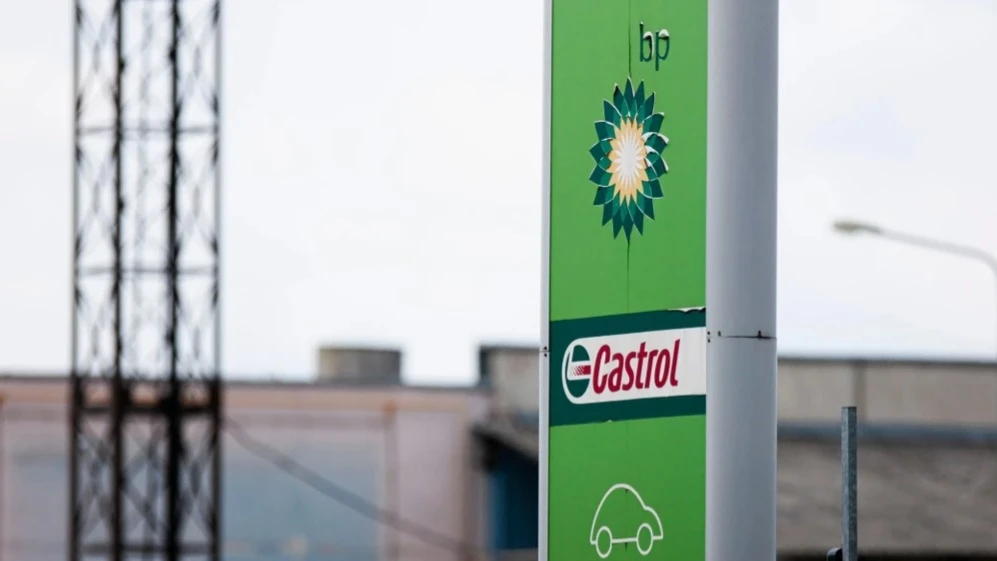
BP's network of gas stations in the U.S. consists of about 8,500 stations / Photo: Karolis Kavolelis / Shutterstock.com
Oil and gas giant BP’s second-quarter profit rose 2.4-fold, marking its best performance since 2022: the company benefited from rising prices for oil, gas, and petroleum products during the conflict surrounding Iran. The segment that includes oil trading made the largest contribution. Having profited from hydrocarbons, the British supermajor put U.S.-based Archaea up for sale—the largest biogas producer in the U.S. and a symbol of BP’s “green” turnaround.
The company's shares rose 1.3% in London trading. Analysts covering BP generally recommend buying the stock, with a consensus rating of “Outperform,” and forecast an 8% increase in the share price over the year, according to data from S&P Global.
Traders Cashed In on the War in Iran
BP’s earnings adjusted for inventory replacement costs (equivalent to the net income of U.S. oil companies, but excluding one-time factors)
rose from $3.2 billion in the first quarter to $5.73 billion in April–June, according to the report. The consensus estimate compiled by the company itself was $5.11 billion, The Wall Street Journal notes. Year-over-year, the figure rose by 144%—marking the best quarter since 2022, when the energy crisis in Europe following Russia’s invasion of Ukraine caused gas prices to quadruple, the Financial Times notes.
The Customers and Products segment, which includes oil trading, earned $5.1 billion, compared with $2.5 billion in the first quarter. BP did not disclose separate figures for its trading operations but said they were slightly higher than in the previous reporting period, which was “exceptional, ” according to the WSJ.
Money — to the balance sheet
Cash inflows from the Middle East conflict are helping to strengthen the balance sheet; at the same time, BP has tightened control over expenses and returned to its traditional oil and gas business. The company’s net debt at the end of June stood at $22.25 billion—even though BP is set to earn $20 billion by the end of 2027 from the sale of non-core and troubled assets alone, according to the WSJ.
The supermajor’s total liabilities—including debt, hybrid bonds, and payments related to the Deepwater Horizon oil rig disaster—have decreased significantly. “They fell by $7 billion compared to the previous quarter,” BP’s new CEO, Meg O’Neill, said during the earnings presentation. According to the Financial Times, BP now expects its net debt to fall below $18 billion by the end of December—a year ahead of its previous target.
Archaea on the chopping block
Archaea, which captures methane from landfills, is the largest producer of renewable gas in the U.S. The FT values the asset at $4 billion and calls it one of BP’s key investments during its “green” transition. The bet didn’t pay off: at the end of 2025, the British giant wrote down the book value of Archaea by $4.2 billion as part of an impairment charge on its biogas and solar assets. In the second quarter, BP’s net write-downs in the Gas & Low Carbon Energy segment reached $680 million and were primarily related to energy transition initiatives, according to the report.
“When we look at some of the investments we’ve made—they haven’t delivered the returns we expected,” O’Neill said. She joined BP from Australia’s Woodside and quickly set about restructuring the asset portfolio: Last week, the company announced its exit from the North Sea business; prior to that, it had shut down its venture capital unit, sold its network of gas stations in Austria, and divested its stake in the Canadian Bay du Nord project, the FT reports.
“We need to take a sober look at ourselves: understand what needs to change, let go of what’s holding us back, and build strength where it matters,” the BP CEO said in comments on the report. RBC analyst Biraj Borkhataria believes the group’s position has improved, but now management must “back up its words with action,” the FT notes.
BP isn't the only one to benefit
BP’s competitors—from Shell to Exxon Mobil—also reaped substantial profits from the market turmoil, according to Bloomberg. On the morning of August 4, Saudi Aramco also reported its results —thanks to rising oil and fuel prices, the world’s largest producer increased its adjusted profit by a third in the last quarter.
The industry’s windfall profits are irking the White House, the FT notes. U.S. President Donald Trump lashed out at Exxon Mobil and Chevron for profiting from rising fuel prices during the conflict with Iran and once again demanded that gas station prices be lowered. “They’re making too much money off the shortage,” he told reporters. “I don’t like that.”
This article was AI-translated and verified by a human editor