Closing the safe harbor: how will sanctions against cryptocurrencies in Belarus turn out?

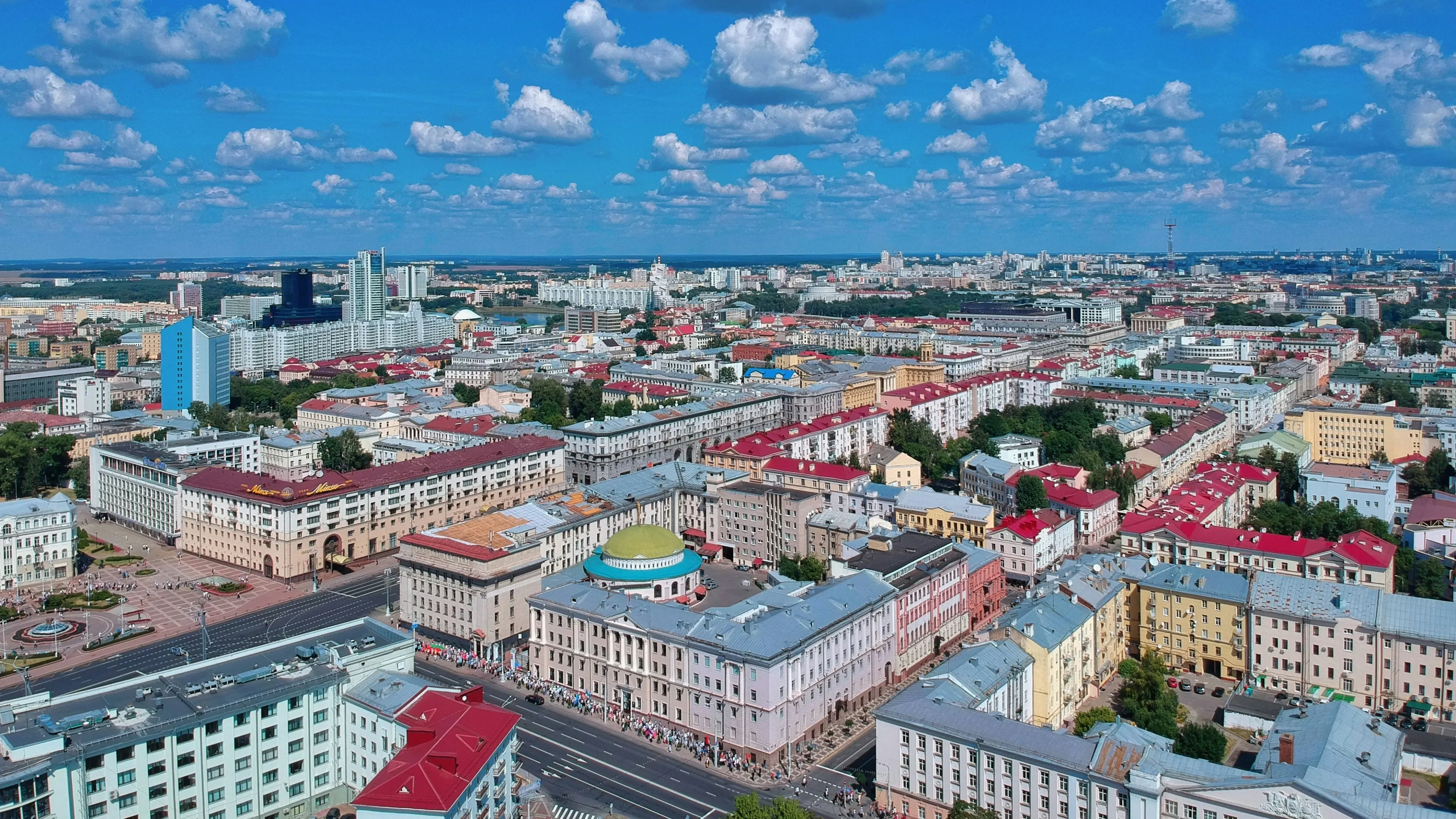
Since 2022 Belarus was a quiet cryptocurrency haven for Russians, now it has closed / Photo: Egor Kunosvsky/ Unsplash.com
Since 2022, Belarus has been a quiet cryptocurrency haven not only for the country's citizens and local businesses, but also for Russians, who used it for settlements with foreign trading partners and to withdraw money from the Russian Federation. But in late April, the EU imposed a ban on any transactions with all cryptocurrencies and cryptoassets from Belarus. The main intrigue now is whether companies around the world will freeze the assets that previously passed through these platforms?
What got banned?
Since Ma 24 this year, the EU has banned transactions with any service providers in the cryptocurrency sphere and decentralized platforms registered in Belarus. The EU gave the existing clients of these companies and platforms a month to close their positions - until June 25. For everyone else, any cryptocurrency that passed through the infrastructure of Belarus will be considered toxic from Ma 24, while the owners of such coins - violating the sanctions requirements.
Also, the EU introduces a ban on the digital ruble of Belarus, test payments with which will begin on July 1, 2026. That is, states and businesses that do not want to fall under the EU restrictions are deprived of the opportunity to pay with this digital currency. In this case, the EU justifies the imposition of restrictions by the fact that the digital ruble will provide an alternative payment infrastructure to the sanctioned persons from Belarus.
The ban was adopted as part of the 20th package of EU sanctions against Russia. Europe justifies the imposition of restrictions by the fact that Belarus is a political and military ally of the Russian Federation in the Russian-Ukrainian conflict, and its crypto services are under strict state control and can be used to circumvent anti-Russian sanctions.
For violation of the sanctions regime and assistance in circumventing sanctions, businesses face fines and suspension of activities, revocation of licenses, forced liquidation, confiscation of assets, etc. Individuals face imprisonment from 1 to 5 years, as well as fines proportional to the gravity of the violation, revocation of permits issued by EU authorities, etc. The EU Directive recommends setting the threshold of criminal liability for individuals in the event of a violation exceeding €10,000, but EU member states have the right to determine the degree of liability and the threshold of criminalization of businesses and individuals independently.
Who will be hit by the ban?
The main advantage of crypto services from Belarus for users is their absolutely legal status. Crypto-regulation has existed in the country since the entry into force of Decree No. 8 "On the Development of the Digital Economy" in 2017 and the emergence of the High Technology Park (HTP).
Subsequent regulations clarified the rules of the game for all participants in the crypto market. For example, two years ago, the country's authorities allowed token purchase and sale transactions only through HTP residents. And at the beginning of this year, they legalized cryptobanks. In addition, Belarus introduced requirements for customer identification and obliged market players to combat money laundering. In addition, the country's authorities provided tax benefits for HTP residents and judicial protection of transactions with tokens, says Yuri Brisov, partner at Digital & Analogue Partners.
After the start of Russia's military operations in Ukraine, many Russian banks were disconnected from SWIFT. And Belarus provided individuals and businesses from Russia with a working conversion corridor, explains Yury Brisov.
It was used by relocants who left the country and needed to transfer ruble receipts from Russian customers or employers. In Belarus, they could convert rubles into USDT and then exchange them for the currency of their country of residence. Russian companies used Belarus to make settlements with suppliers, who had stopped accepting direct payments from Russian banks. The same channel was also used by counterparties of Russian companies from the CIS, UAE, Hong Kong and Turkey, says Yuri Brisov. At the same time, foreign businesses did not risk anything: the legal platform from Belarus presented an HTP license and issued documents for tax reporting.
Local cryptoservices were loyal even to clients from Russia with very questionable contracts from the point of view of sanctions, Brisov adds.
Over time, many cryptoservices from Belarus began to provide services to under-sanctioned Russian banks as well. An example is MTS Bank, says CEO and founder of BitOK Dmitry Machikhin. It offered its clients trading in digital assets. The Belarusian platform FREE2EX became a partner of the project.
In fact, for all of the above categories, the cryptocurrency scheme with Belarus has stopped working.
In Xi itself, the Central Bank, the Ministry of Finance and the cryptocommunity for many years could not agree on how to regulate this market, as a result, it is still essentially in a gray zone. The bill "On Digital Currency and Digital Rights", which will determine the procedure for the circulation of cryptocurrencies in the Russian Federation, was introduced to the State Duma only in April 2026. If passed, it will enter into force on July 1, 2026, except for certain provisions.
In the Russian Federation, things with buying and selling cryptocurrency are "quite bad," Machikhin admits: individuals face bank blocking for such transactions, and fraudsters abound in the local crypto market. "It is easier to give the commission to the Belarusian exchange, to pass compliance. Even if you "declassify" yourself, but at least bypass these risks," he concludes.
Russian companies do not yet, in fact, have a legal way to use cryptocurrencies for foreign economic transactions either, unless they are among the legal entities with access to a special experimental legal regime, adds Alexei Zyuzin, CEO of the Russian Institute for Cryptoindustry Development.
What awaits customers who used the crypto market in Belarus
Regulators and services in Belarus do not publish official statistics. According to Dzmitry Machikhin, at the end of last year, the trading volume of one of the market leaders - WhiteBird - reached $17 million, while the entire crypto exchange market of Belarus reached $45-60 million.
Yuri Brisov believes that the annual transaction volumes of the local crypto market amounted to "several billion dollars". This is less than that of the sub-sanctioned Garantex exchange with Russian founders (Bloomberg wrote that $20 billion passed through it), but comparable to regional players in Turkey and the UAE, the expert says.
Formally, the sanctions do not prohibit the acceptance of funds passed through platforms in Belarus until May 24, 2026. However, the actual practice often diverges from the requirements of the sanctions legislation.
If blockchain analytics show that a particular wallet has interacted with addresses "sanctioned" after the transaction itself, European or U.S. banks or exchanges have the right to request documents, such as the source of funds, and, in the absence of a satisfactory explanation, deny service or freeze the asset, Brisov warns.
"The precedents of Tornado Cash and Garantex have shown that European crypto service providers rigorously filter any traces of interaction with sub-sanctioned infrastructure, even if the transactions themselves were made before the sanctions were imposed," Brisov says.
Dmitri Machikhin believes that one should wait for "active labeling" of cryptocurrency, which passed through Belarus. In case of withdrawal of such coins, users "will have multiplied risks of blocking," he believes.
What should customers do?
The pressure on cash flows in the crypto market in Belarus will increase, while operations for users who used it will become more complicated and expensive, said Maria Agranovskaya, managing partner of Agranovskaya and Partners.
Those whose assets passed through crypto platforms in Belarus, it is better to prepare documents in advance: confirmation of the source of funds, contracts under which payments were received, statements of the platforms themselves and tax documents, advises Brisov: "This does not guarantee trouble-free acceptance, but it reduces the likelihood of denial of service".
Businesses that used services from Belarus for settlements should close any open positions until June 25, 2026.
This article was AI-translated and verified by a human editor