Demand in China has supported Burberry through the holiday season. Shares rose

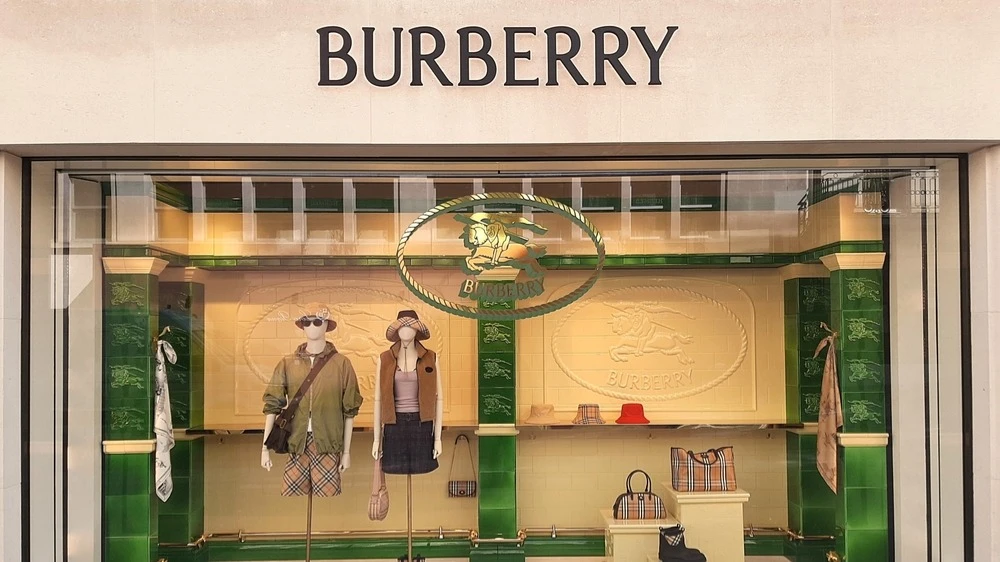
Sales of British luxury fashion house Burberry increased during the holiday period - especially high demand for the company's goods was in China / Photo: DJSully/Shutterstock
Sales of British luxury fashion house Burberry increased during the holiday period of late 2025-early 2026: buyers actively bought up the brand's signature plaid scarves and trench coats. Demand for Burberry goods was particularly strong in China, Bloomberg reported, noting that the company's latest results have boosted investors' hopes for a recovery in the premium market. Shares of Burberry on January 21 during trading in London in the moment added about 6% - the maximum intraday growth since November 2025. Later, the securities slightly corrected, at the time of publication they are in the plus by 5.6%.
Details
Burberry's comparable sales rose 3% in its fiscal third quarter ended Dec. 27 last year, the company said in a release. The performance beat analysts' expectations, Bloomberg points out. In the Greater China region, which is a key market for luxury brands, the company's sales rose 6% - double the quarter before. The growth was driven in part by demand from Generation Z - buyers born between 1997 and 2012, Bloomberg said.
Growth in China is particularly important for Burberry, as the brand has traditionally relied heavily on demand from mainland Chinese shoppers, Bloomberg notes. Consumers in the country have been cutting back on spending in recent years amid high unemployment and a crisis in the real estate market. "In China, we are reaching a broad luxury audience," Burberry CEO Joshua Shulman said commenting on the company's latest results, adding that cashmere products were in particularly high demand.
The company also said its adjusted operating profit for the year was in line with analysts' consensus forecast. "This is another solid step in the right direction for Burberry," said Morgan Stanley analyst Grace Smalley.
Burberry's report became another indicator of the state of the luxury market after last week another player in the segment - Richemont - reported about the continuing low demand for its goods in China, Bloomberg specifies. According to Barclays analyst Carol Maggio, Burberry's results "can be seen as a moderately positive signal."
Overall, Burberry's sales in the Asia-Pacific region grew by 5%, according to the company's release. However, no sales growth was recorded in Europe, the Middle East, India and Africa. In the Americas, the company's sales increased by 2%, which was below market expectations.
In the U.S., Burberry is facing the effects of trade duties as well as problems at Saks Global Enterprises, the company that operates Saks luxury department stores. It filed for bankruptcy this month with debts owed to suppliers including Burberry, Bloomberg points out.
What's up with Burberry stock
Burberry shares are up nearly 30% since the start of 2025. Of the 20 analysts covering them, eight advise buy, five advise hold and three advise sell, Marketscreener data shows.
The Burberry Transformation
After his appointment as head of the company in 2024, Joshua Shulman returned Burberry's focus on basic products, focusing on classic outerwear. His predecessors tried to bring the brand into the higher luxury segment by expanding the line of expensive bags and raising prices, but these steps did not resonate with customers, Bloomberg notes.
Schulman's strategy also includes a store refresh and the return of mannequins to showcase outerwear. The scarf bars project (Burberry's retail initiative to promote signature scarves as a key product for the brand) is on track, with all 200 planned scarf zones expected to appear in stores by the end of the year, Bloomberg reported.
In May last year, Shulman also announced his intention to cut around 20% of Burberry's workforce. These measures helped the company last year return to the FTSE 100 index after being excluded from it in 2024.
Overall, analysts and consultants including Bain & Co. expect the luxury industry to resume growth in 2026 after several years of weak sales that began to stabilize last year, Bloomberg writes.
This article was AI-translated and verified by a human editor