Freedom Broker downgrades rating, TP on fertilizer producer Mosaic amid Iran conflict

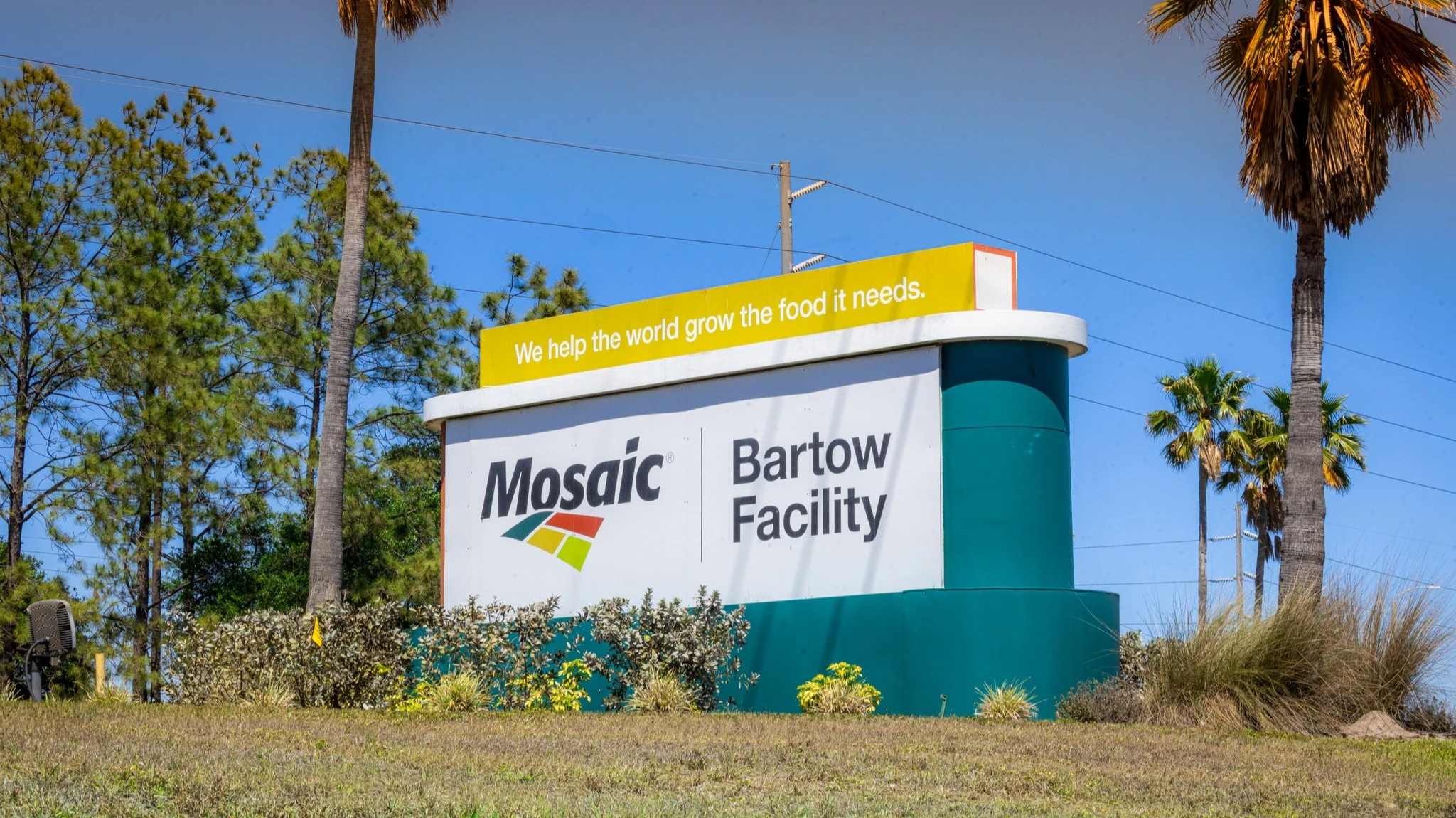
The conflict in the Middle East is increasing risks for the company and could reduce the profitability of its business, Freedom argues / Photo: Facebook/Mosaic Company
Freedom Broker has revised downward its rating on Mosaic, a mid-cap fertilizer producer, to "sell" and slashes its target price. The conflict in the Middle East has triggered a domino effect, disrupting the production of natural gas and oil, key inputs for fertilizer production, analysts write. This is driving up energy prices and could significantly hit Mosaic’s profitability.
Details
Freedom Broker has downgraded its rating on Mosaic shares from “hold” to “sell,” according to a note put out on Thursday and seen by Oninvest.
It has also cut its target price by 20% to $24. That is just 1.7% above Mosaic’s closing price on Friday, when the shares fell 10% on the day to $23.60 apiece. In premarket trading on Monday, the stock was down about 0.6% as of this writing.
Freedom's rationale for downgrade
Mosaic is one of the world’s largest producers of potash and phosphate fertilizers – two of the three key nutrients used in agriculture. The conflict in the Middle East is increasing risks for the company and could reduce the profitability of its business, Freedom argues.
The situation in the Middle East has severely disrupted the production of natural gas and oil, the primary inputs for fertilizer production. Natural gas is used to produce ammonia, a core component of nitrogen fertilizers and urea. Sulfur, which plays a key role in the production of phosphate fertilizers, is a byproduct of oil refining.
The Middle East accounts for half of global sulfur exports and 34% of urea exports, so a local disruption in energy supply is causing problems across the global supply chain, the note says.
In addition, Iran's blockage of the Strait of Hormuz – a transit route for roughly a third of the global fertilizer trade – has effectively frozen exports from the Persian Gulf, Freedom notes. “The market has suddenly lost access to the three largest exporters of urea and anhydrous ammonia in the world – Qatar, Saudi Arabia, and Iran,” the analysts wrote.
All these factors are pushing up raw material prices. That, in turn, could worsen Mosaic’s financial performance, Freedom argues. In the fourth quarter, the company reported a fivefold year-over-year decline in gross margin in its phosphate segment – to $17 per ton. This is the weakest level in years, Freedom notes. The analysts believe that, based on the current trajectory, the phosphate gross margin will turn negative by the second quarter. A gradual recovery should follow, but it depends on the length and outcome of the Middle East conflict, the note says.
Mosaic’s localized distribution network in Brazil could partially support its financial performance. The analysts describe this network as a competitive advantage that allows the company to maintain stable margins in one of the world’s most important agricultural markets.
What other analysts say
Freedom is not the only firm to downgrade Mosaic stock. At the end of last week, BofA Securities lowered its rating from “buy” to “hold” and cut its target price by 10% to $30 per share, for 27% upside. BofA Securities also cited rising raw material prices amid the conflict in the Middle East, Insider Monkey writes.
The conflict has already been reflected in Mosaic’s share price: since the start of the year, the stock is now down 2%, dropping 14% since the beginning of March.
Wall Street overall maintains a cautious stance on the shares: analysts have issued 10 “hold” ratings, eight “buy” calls, and two “sell” recommendations. The average target price stands at $30.67 per share, implying nearly 30% upside.
