Dubai crisis: how the war in the Middle East will affect luxury sales

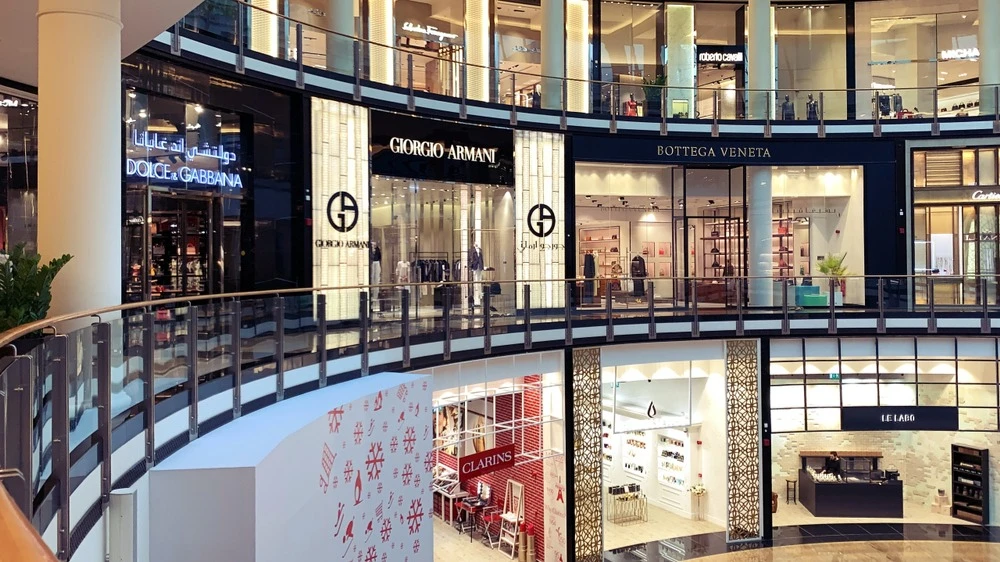
Luxury sales in the Middle East could halve due to tourist exodus - Bernstein / Photo: H.studio / Shutterstock
The US-Israeli war with Iran has created a crisis for luxury brands in Dubai, according to analysts at Bernstein Research. According to their forecast, sales of luxury goods in the Middle East in March may halve due to a sharp drop in the number of foreign tourists, The New York Times reports.
Details
Dubai has become the main driver of retail growth in the region in recent years. The United Arab Emirates accounts for half of all luxury goods sales in the Middle East, with most of these purchases being made in Dubai, according to Morgan Stanley estimates cited by the newspaper.
"If the conflict is short-lived, Dubai could bounce back and it would only prove to be a temporary blow. If the war continues, there will be no such recovery," said Bernstein analyst Luca Solca.
Dubai's shopping infrastructure is concentrated around two major centers - Dubai Mall and Mall of the Emirates, notes NYT. They represent leading European fashion houses, including Chanel, Gucci and Saint Laurent, and the total flow of visitors exceeds 140 million people a year.
Industry executives in Europe and the U.S. are also expressing concern that a prolonged conflict in the Middle East could jeopardize billions of dollars worth of luxury goods sales, the newspaper said, citing sources.
"We don't know what will happen, but we hope it won't be long," Prada CEO Andrea Guerra said during a conference call with investors in early March.
Context
The Middle East accounts for a relatively small share of global luxury sales, but high levels of spending in the region have kept the global luxury market alive amid stagnation in Asia and Europe in recent years, the NYT notes. Dubai-based distributor Chalhoub Group last year called the sector "unstoppable," with sales in the Gulf growing 6% to nearly $13 billion in 2024.
According to the Visa payment system's 2025 report, about one in nine Dubai residents made at least one luxury purchase every three months - that's more than in New York, London, Paris or Singapore, the publication said.
However, nearly three weeks after the war began, the flow of visitors to the Dubai Mall at the foot of the Burj Khalifa has declined markedly, notes The New York Times. The Iranian attacks have weakened the sense of security of Dubai, a city that for decades has been advertised as a safe, luxurious and tax-attractive haven for the world's elite in an unstable region, the publication notes. Drone strikes have disrupted Dubai International Airport and caused a fire at the luxury Burj Al Arab hotel, where room rates can exceed $20,000 a night. Tourism came to a halt and stranded travelers scrambled to find ways to evacuate, the NYT notes.
This article was AI-translated and verified by a human editor