Dubai stocks have lost more than 20% since war broke out in the Middle East
Before the war, Dubai's stock market had risen about 300% in nearly six years

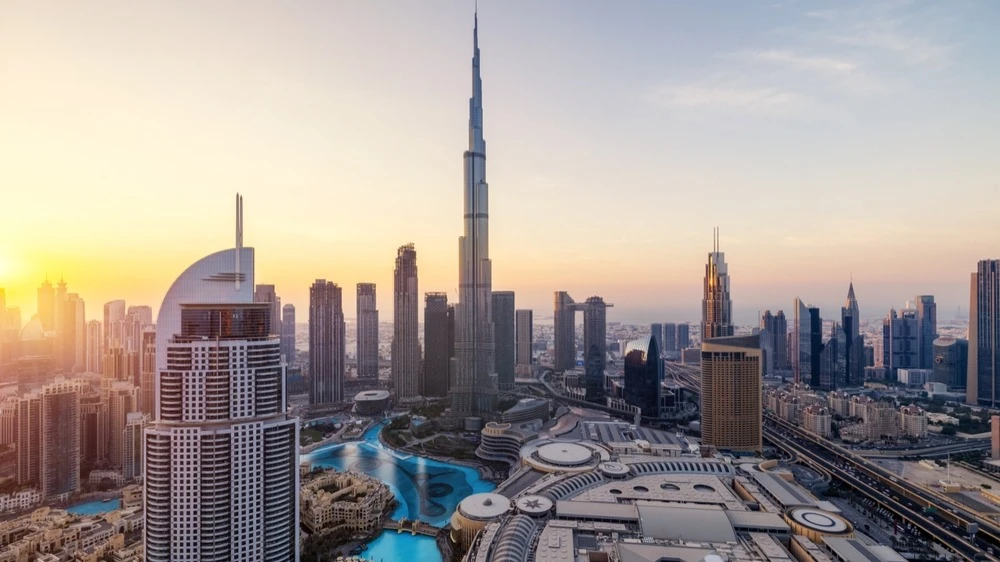
Dubai stocks have collapsed 21% since February and entered a bear market / Photo: Asifgraphy / Shutterstock
Stocks in Dubai have moved into the bear market zone amid the war in the Middle East, which has caused chaos in the energy industry, shipping, real estate and tourism, Bloomberg writes. Dubai real estate developers are suffering the biggest losses, having lost a third of their value. Analysts say that if the situation stabilizes, investors will have an opportunity to buy assets at a good price.
Details
The fall of the main stock index of the Dubai Stock Exchange Dubai Financial Market General Index from the February maximum reached 21% after it fell by 3.2% on March 16. If trading closes at this level, the Dubai stock market will go into a "bearish" phase - this term is understood to mean a fall of more than 20% from the peak values, the agency notes. Since the beginning of the year, the Dubai Stock Exchange index has lost more than 14%.
The shares of the largest Dubai developers - Emaar Properties PJSC and Emaar Development PJSC, engaged in the construction of residential and commercial real estate, have suffered the most since the beginning of the war. They fell in price by 34% and 35% respectively.
Before the fighting, Dubai's stock market had risen about 300% in nearly six years on the back of rising consumption, tourism, a real estate boom and financial services development, Bloomberg notes.
"The decline was expected and it is broad-based - it is evident in all sectoral indices, so it fully reflects the geopolitical situation in the region," said Junaid Ansari, head of research and strategy at Kamco Investment. According to him, once the situation stabilizes, investors may have good opportunities to buy assets at a significant discount.
The Pentagon had expected the Iran campaign could take four to six weeks, with the U.S. now ahead of schedule, White House economic adviser Kevin Hassett said March 15 on CBS. Donald Trump told NBC News on March 14 that Iran "wants to make a deal." Tehran has denied this.
Context
The sell-off in the Dubai market began in late February after US and Israeli strikes on Iran, to which Tehran responded with attacks on Gulf countries. The conflict disrupted air travel in the region and increased risks to shipping, which pushed global oil prices up. Traffic through the strategically important Strait of Hormuz for shipping has been virtually halted since the war began. As the war enters its third week, it threatens Dubai's established image as a safe harbor in one of the world's most volatile regions, Bloomberg noted.
On Monday, Dubai's main international airport suspended flights for several hours due to an incident with a drone. Some planes were diverted to reserve airports, some returned to their departure points, including in the UK, Ireland, Pakistan and India, Bloomberg writes, citing Flightradar24 data.
This article was AI-translated and verified by a human editor