Emirates under missile attack: a test of the resilience of the Sheikh economy

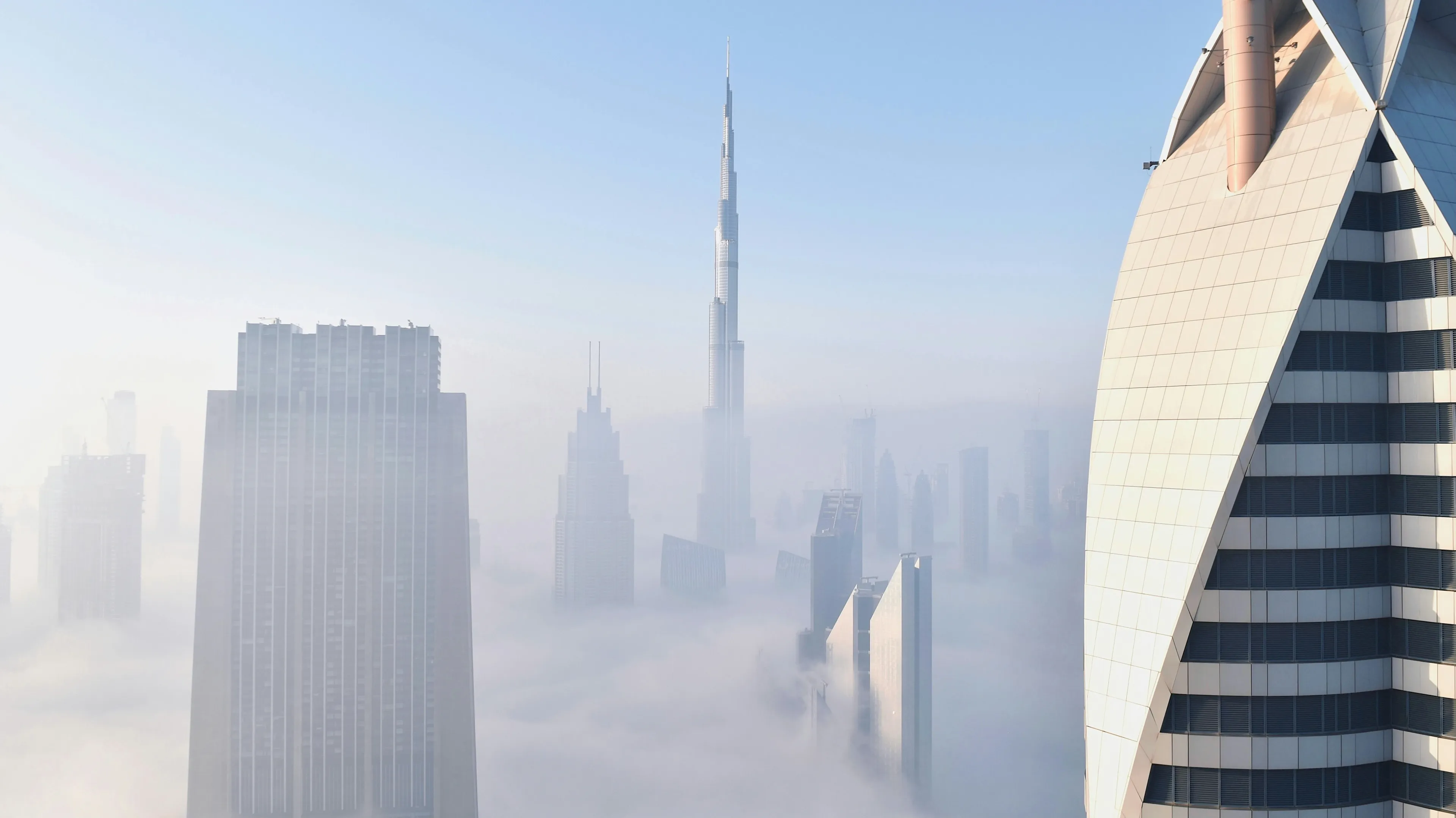
Since February 28, Iran has fired 200 missiles and 800 drones at the UAE. Photo: Amir Hanna / Unsplash.com
Dubai has been hit by a missile - it has become a serious stress test for the city, which positions itself as a global financial and investment center. However, so far, investors are reacting with restraint to the event, which should have shaken up one of the most expensive real estate markets in the world, partner of CTL multifamily office Ekaterina Ponka told Oninvest.
The strategy is wait-and-see
The paradox of the current situation is that instability in the Middle East has historically often reinforced the UAE's role as a financial haven. Now Dubai residents on the one hand have seen air defenses working and for the first time received air alerts, on the other hand we see still open stores and the UAE president walking around the Dubai mall. We do not notice any panic or "change of course" in terms of planned transactions and the mood of our clients investing in real estate in Dubai and other emirates. We have $420 mln under our management, our clients are private investors with fortunes from $10 mln to $50 mln. During the first few days of the conflict, no one asked to suspend transactions, our clients do not seek an emergency "cash out" through the sale of objects.
For a market where long-term lease contracts of 1 year or more and capital-intensive infrastructure play a significant role, abandoning offices would be one of the first alarm bells. But there are no such signals - at least not yet.
A market accustomed to turbulence
Real estate in the UAE is often viewed by investors as a long-term asset. Many projects are realized over a horizon of several years, so short-term fluctuations in the security or political situation do not always lead to immediate decisions to sell.
Business in the UAE has already gone through several periods of major turbulence in recent years - pandemic, sanctions restrictions and fluctuating commodity markets.
Specifically, in 2020, the COVID-19 pandemic threatened the economies of many countries around the world, including the Gulf States, which are more dependent on expats, and 90% of residents in the Emirates are foreigners. The population has grown 11-fold since 1980. According to Henley & Partners, the UAE attracted 9,800 millionaires last year, more than any other country in the world.
Despite this, the country's economy continued to grow.
What to expect next: three scenarios
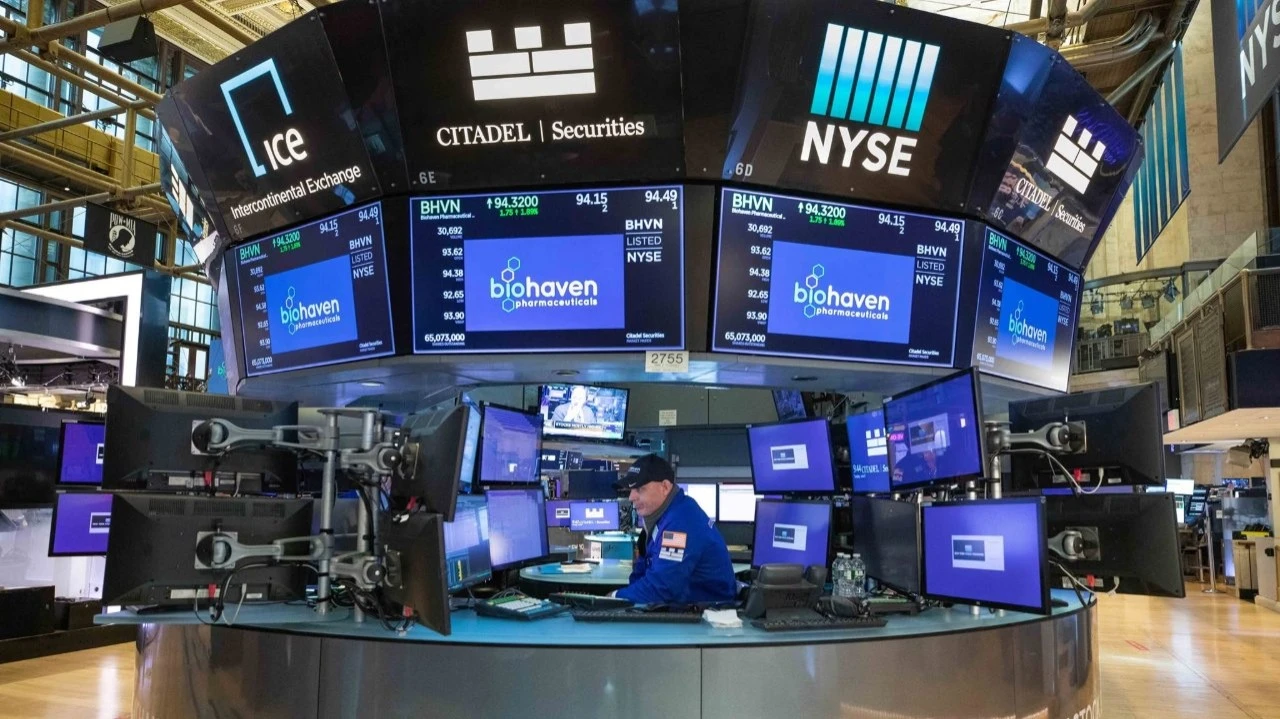
We see the first reaction of the markets: the stock exchanges were closed for two days, on March 4 the main Dubai stock index fell by 4.7%. This was primarily due to a 4.9% drop in shares of leading real estate developer Emaar Properties. Only on February 25, this company reached a record valuation of 149 billion dirhams ($40.6 billion) due to an unprecedented inflow of real estate investments. In our view, Emaar's fall reflects not a point-by-point drawdown of the company, but rather the general mood of sell-off in the UAE market after the escalation of the situation with Iran.
In our view, the worst case scenario could be stagnation and then an unwinding spiral of falling real estate prices in an attempt to win back buyers. By the beginning of March 2026, the market was severely overheated, each previous year was a record year in terms of checks, especially in the premium segment. From such a "height" the fall could be substantial and particularly painful for developers and those who bought properties at the peak of prices in recent years. We regard the probability of this as low, but not zero.
The base scenario is "cautious optimism": deals may be canceled or suspended until the situation with Iran stabilizes. In the medium term, we expect prices to continue to rise, if the conflict does not develop into a protracted form with active participation of the UAE in military actions (so far it maintains a defensive position).
And an optimistic scenario: given how steadily the UAE has shown itself from the beginning of the Iran operation to the present day, the country can only strengthen its image as "Middle Eastern Switzerland" and receive an even greater inflow of capital after it is over. Today, perhaps no country is immune from military conflicts. Therefore, the anti-fragility shown will be positively assessed by investors.
This article was AI-translated and verified by a human editor