JPMorgan expects EU stocks to lag US stocks amid Iran war. What's wrong?

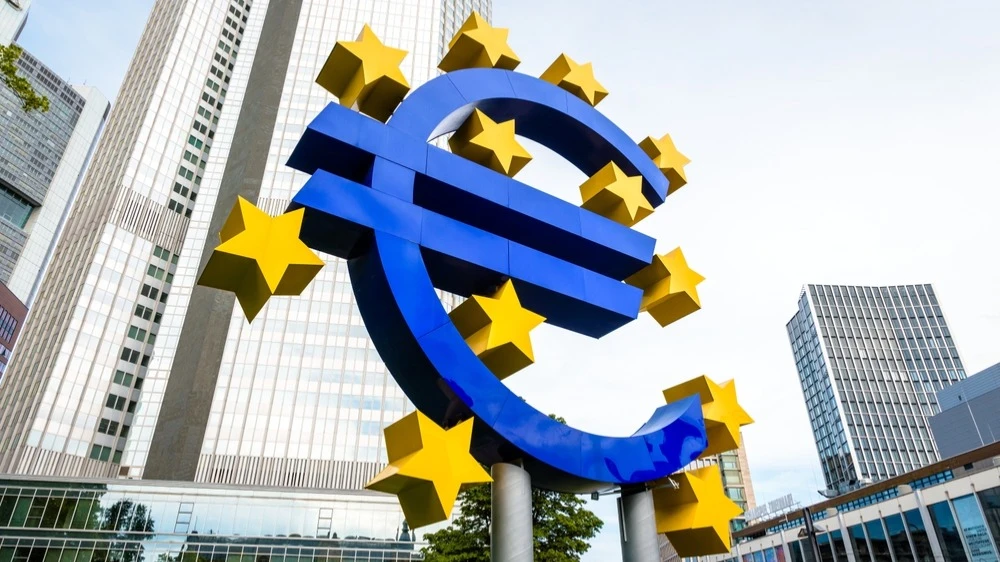
JPMorgan expects deterioration in the dynamics of European shares relative to the U.S. stock market amid the ongoing conflict in the Middle East / Photo: olrat / Shutterstock
JPMorgan analysts expect European stocks to underperform U.S. stocks amid the war in the Middle East, MarketWatch writes. A sharp rise in gas prices increases risks for the European market, given the region's dependence on energy imports, the publication notes.
Details
Since the beginning of the year, the main Dutch gas contract has risen in price by about 71% YTD. According to analysts at JPMorgan, the destabilized gas pricing market threatens industrial consumption in the eurozone. It is also indirectly affecting electricity costs. A sharp reassessment of Europe's vulnerabilities has also affected the euro's performance against the dollar, MarketWatch notes. With each increase in prices for Brent and natural gas by 10%, the European currency declines by about 0.8%, calculated the head of global currency research at Deutsche Bank George Saravelos.
JPMorgan also believes that higher oil and gas prices could add about 0.2% to the EU's harmonized inflation rate, potentially increasing pressure on the European Central Bank to raise interest rates to curb inflation.
However, as JPMorgan notes, the Stoxx Europe 600 index may even get an upward revision to earnings forecasts - thanks to the high share of oil companies in its structure - but gas remains a clear pressure on the region's economy.
Pan-European stock index Stoxx Europe 600 added 1.5% on March 4. A day earlier, on March 3, amid the escalating conflict in the Middle East, the index fell by 3.08%, ending trading at 604.44 points. This was its biggest two-day drop since April last year. The Stoxx Europe 600 has added about 3% since the beginning of the year. The broad market index S&P 500 for the same period lost 0.3%.
What other analysts are saying
Melissa Brown, managing director of investment solutions research at SimCorp, said Europe's advantages will continue if the current geopolitical turbulence eases soon. The end of winter is also easing, she said.
On March 2, Citigroup strategists upgraded the rating of British stocks from "below market" (underweight) to "above market" (overweight), calling them an effective hedging tool amid geopolitical instability. The British stock market is largely dependent on the commodities sector (commodities) and the defense industry, which protects it from rising oil prices, analysts said.
Context
Since the beginning of the escalation of the conflict in the Middle East, oil and gas infrastructure in Saudi Arabia and Qatar has been partially shut down due to damage or for preventive purposes. In Qatar, liquefied natural gas production was put on pause, Israel halted production at some gas fields, Saudi Arabia closed its largest refinery, Reuters writes.
The Strait of Hormuz also plays a key role in LNG supplies, with more than one-fifth of offshore oil shipments and a significant amount of gas passing through this route. Iran has repeatedly threatened to block this strategic waterway in response to U.S. or Israeli attacks. On March 3, the Islamic Revolutionary Guard Corps announced a de facto blockade of shipping through the strait. Because of possible risks to ships, tanker traffic through this waterway has been restricted since Saturday, February 28, when the U.S. launched a major operation against Iran.
This article was AI-translated and verified by a human editor