Equity and cryptocurrency markets declined amid disagreement at the Fed on the rate trajectory
The technology sector in Europe and Asia was also pressured by weak sales and earnings figures from US-based Oracle

Major stock markets in Asia opened with growth after the expected rate cut by the U.S. Federal Reserve, but then went into negative territory, CNBC reports.
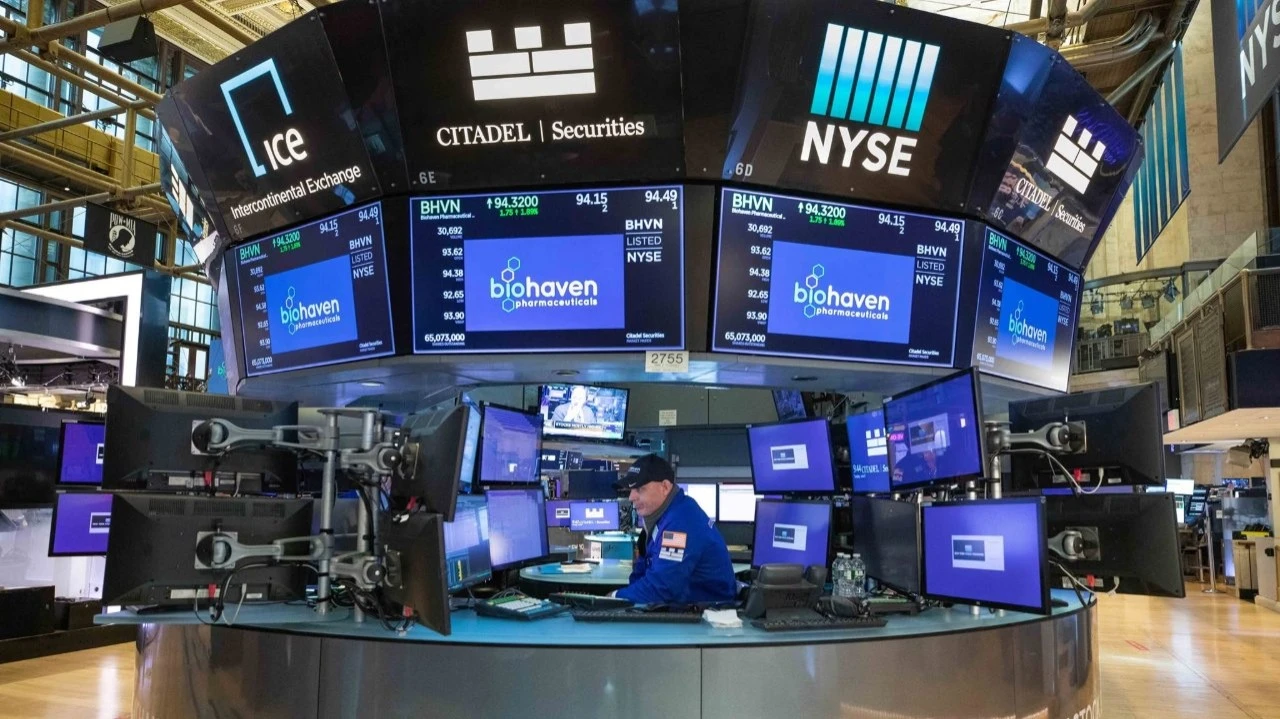
- Japan's Nikkei 225 started the day in the positive zone, but eventually fell by 0.9% amid an 8% collapse in shares of SoftBank - Oracle's partner in the Stargate project to build data centers in the United States. Shares of Oracle itself fell by 11.5% on December 10 in New York trading after the publication of the quarterly report.
- South Korea's Kospi also turned downward, losing 0.6%. Pressure on the index was exerted by the fall in quotations of memory chip supplier SK Hynix. The securities of the key partner of Nvidia and the second largest capitalization company in South Korea fell by 3.75% after the Korean Exchange banned the purchase of SK Hynix shares in debt, which was actively used by retail speculators.
- Mainland China's blue-chip index CSI 300 fell 0.9%. Shares of telecommunications equipment maker ZTE in Shenzhen collapsed by 10% after Reuters reported that the company faces a fine of more than $1 billion in the United States on charges of bribing officials.
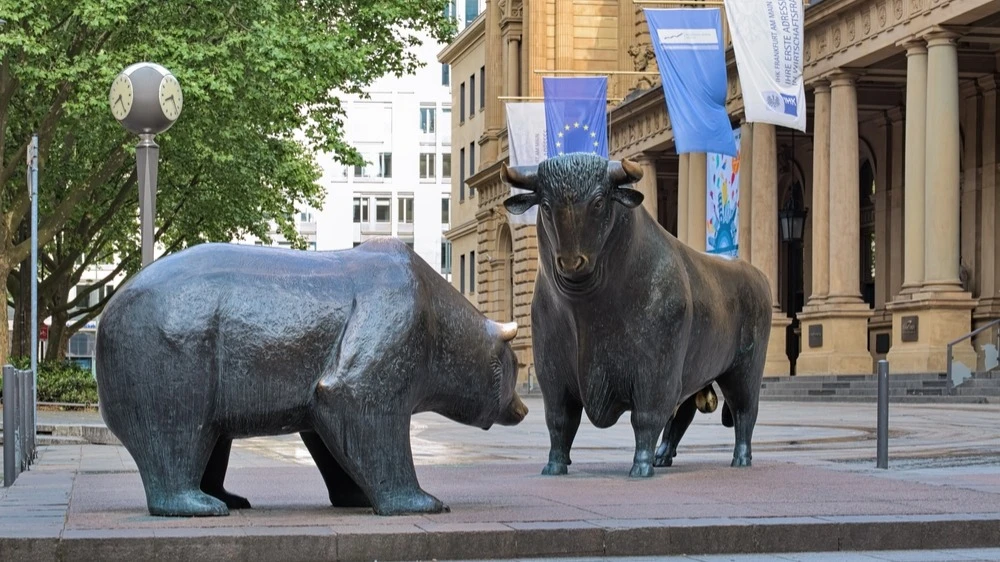
- European indices STOXX 600 and STOXX 50 were down 0.2% at the opening of trading. Weak sales and profit forecasts from Oracle put pressure on the technology sector, negating the positive effect of the Fed's interest rate cut, according to Trading Economics. ASML fell 1.2% and SAP fell 2.8%. Shares of industrial equipment distributor RS Group, on the other hand, jumped 4% after JPMorgan upgraded its rating.
- Gold prices fell, retreating from a near one-week high, while silver set another record at $62.88 a troy ounce. "Gold failed to build on its success today <...> as the Fed's signal was essentially that any further rate cuts may be rare and infrequent," said KCM Trade analyst Tim Waterer. Silver, on the other hand, "paid "virtually no attention to external factors and rose on its own," noted Tastylive economist Ilya Spivak.
- Although the Fed rate cut can stimulate economic growth and demand for oil, oil prices remained stable after the regulator's decision, according to Reuters. The agency noted that investors' focus shifted to peace talks on Ukraine and possible consequences of the United States' detention of an under-sanctioned tanker off the coast of Venezuela.
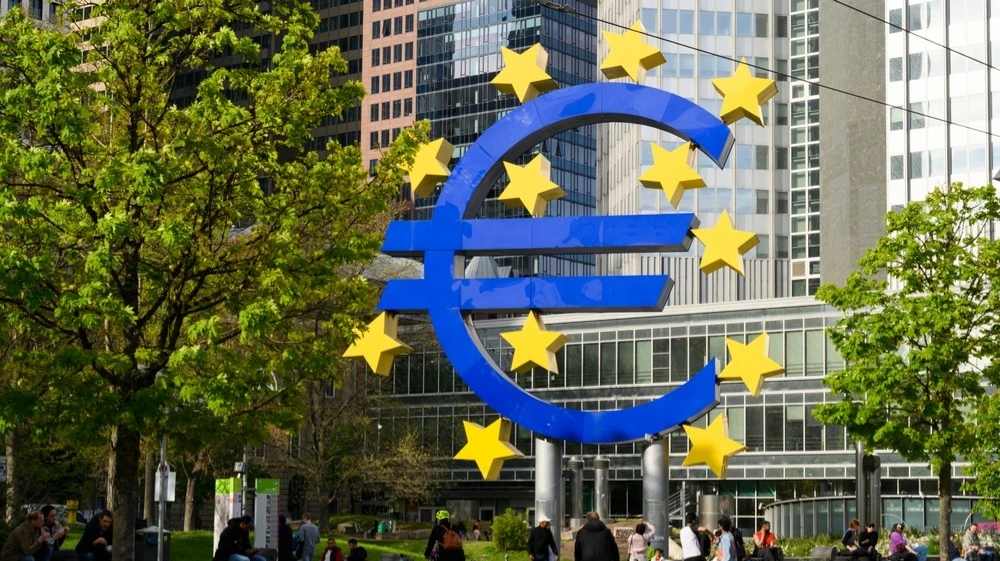
- The dollar's exchange rate against a basket of other major currencies stabilized above 98.5 points after the Fed's decision, but remains near the lowest levels in more than seven weeks, Trading Economics reported. The euro is trading paired with the dollar at its highest level since mid-October. This is supported not only by the weakening of the U.S. currency, but also by the European Central Bank's signal that rate cuts may not be necessary in 2026.
- Bitcoin, one of the main indicators of risk appetite, fell below $90 thousand from an intraday high of $94.49 thousand reached the day before. Ethereum and other cryptocurrencies also lost value despite the Fed rate cut. The risk-aversion is likely due to growing signs of a split in the U.S. central bank, coupled with signals that the further trajectory of monetary easing will be more difficult, Coindesk writes.
Context
On the night of December 11, the U.S. Federal Open Market Committee (FOMC) expectedly lowered the target range for the federal funds interest rate by 25 basis points, to 3.5-3.75%. Although only two members of the 12-member committee voted against the cut, six FOMC members considered 3.875% per annum to be an "appropriate" rate, rather than 3.625% as it is now, noted ING, the largest bank in the Netherlands. In addition, the regulator allowed the possibility of only one rate cut in 2026, although the market laid in the prices of two or three rounds of monetary easing.
This article was AI-translated and verified by a human editor