"Fasten your seatbelts and hang on": Carlyle says the market underestimated the oil shock
Current supply disruptions resemble a "mirror image" of the Covid-19 crisis

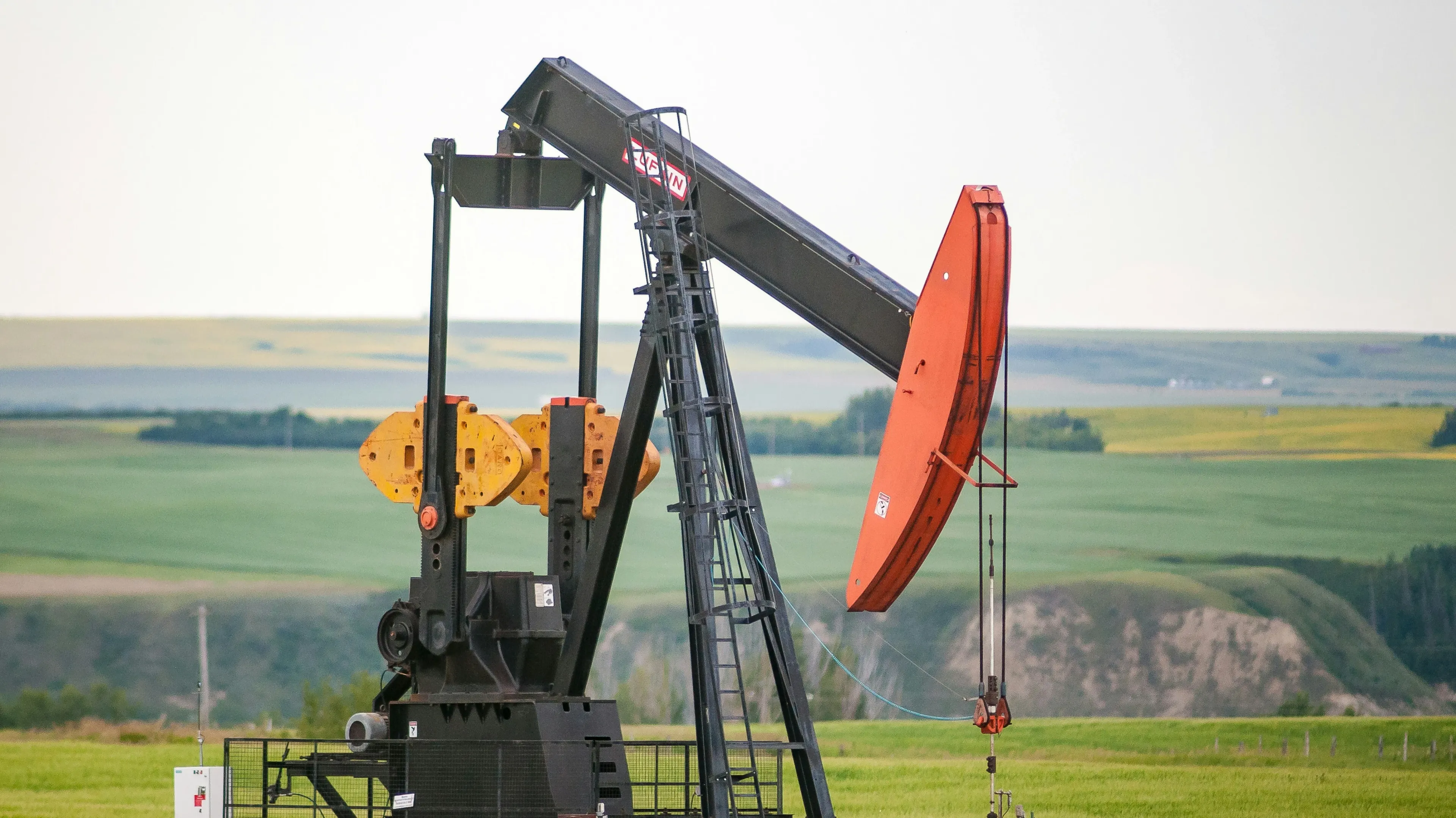
"Fasten your seatbelts and get ready to ride": at Carlyle expect oil to continue to rise/ Photo: unsplash.com/David Thielen
The global oil market is underestimating the impact of the US and Israeli war against Iran on oil supplies - even though Brent has already risen 50% since the end of February, says Carlyle Group. Prices could rise much higher to balance supply and demand, it believes.
Details
The market still hasn't fully "realized" the magnitude of the supply shock, Jeff Curry, head of strategy at Carlyle Group, said in an interview with Bloomberg Television.
"We are dealing with a huge supply shock. It's almost comparable to the demand shock during Covid-19, and we know what it did to global supply chains," Curry said. He pointed to the disconnect now between financial and physical markets, "If you look at the equity markets, they have completely disconnected from the physical markets. You can't print molecules."
According to his assessment, after the exhaustion of reserves, the market will inevitably have to reduce demand by increasing prices: "To bring demand in line with supply, prices will have to be much higher than the current prices.
"Take long positions, buckle up and hold tight," summarized the Carlyle Group strategist.
Context
The cost of global benchmark Brent crude rose above $111 a barrel in trading on March 18, and has increased by about 50% since the conflict began on February 28. The military action has led to a sharp reduction in traffic through the Strait of Hormuz, a key route for global oil supplies, causing a spike in energy prices and fuel shortages in Asia, as well as increasing inflation risks. Iran is also attacking energy infrastructure in neighboring countries.
In the early days of the war, Curry warned of the protracted nature of the conflict in the Middle East, Bloomberg recalls. Curry describes the current situation as a "mirror image of Covid": if in 2020 the global economy faced a demand shock, now we are talking about a supply shock of comparable scale. "You can't hit the global economy with a shock of this magnitude and not expect bad consequences," he emphasized.
This article was AI-translated and verified by a human editor