Saudi Arabia restored half of its oil exports bypassing the Strait of Hormuz

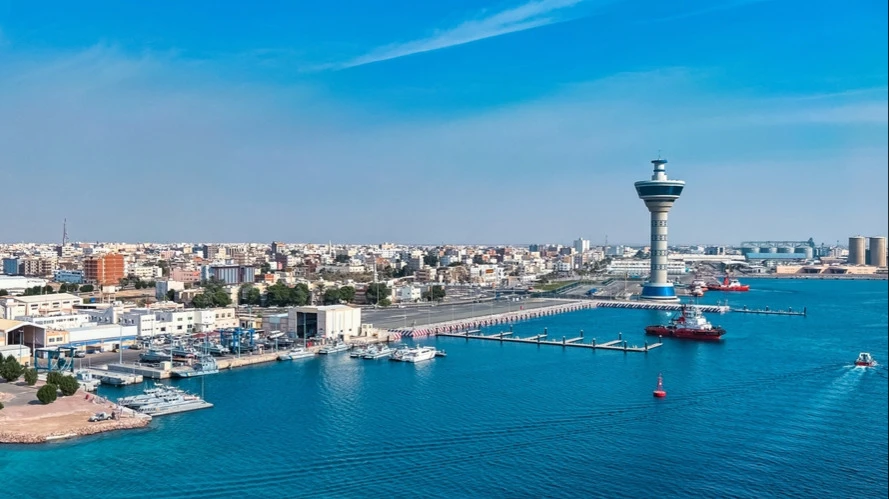
Saudi Arabia has diverted most of its oil exports through the port of Yanbu on the Red Sea coast / Photo: Ole Dor / Shutterstock.com
Saudi Arabia was able to restore more than half of its oil exports by redirecting some supplies from the blocked Persian Gulf to the west - to the Red Sea coast. At the same time, the country quickly formed a fleet of tankers headed there to load oil. Now the ships are piling up at the port, Bloomberg reports.
Details
Shipments from the Saudi port of Yanbu on the Red Sea have averaged about 4.19 million bpd over the past five days, according to ship tracking data compiled by Bloomberg. Before the U.S.-Israeli war with Iran, the kingdom exported about 7 million bpd, with about 1.4 million bpd passing through the port of Yanbu, the agency said.
According to data compiled by Bloomberg, the maximum loading volume at Yanbu this month reached 4.65 million bpd, a level recorded three times, although other days were lower.
While Saudi Arabia is hastily rerouting crude flows through a 1,200-kilometer-long pipeline, tankers are piling up off the Red Sea coast. At least 32 supertankers and Suezmax-class vessels (capable of passing through the Suez Canal with a full load) are waiting to load at Yanbu, while others are still en route to the port, Bloomberg calculated.
Short-term shipment data could be volatile, but Riyadh has already said it intends to ramp up shipments to overseas buyers through ports on the Red Sea and has offered long-term customers an alternative in the form of shipments from Yanbu, the agency wrote.
State oil company Saudi Aramco did not respond to Bloomberg's requests for comment.
Context
Saudi Arabia is the only major producer with a meaningful alternative to shipping through the Strait of Hormuz, which connects the Persian Gulf to the open sea but is effectively blocked by Iran. The UAE also has a pipeline to the Gulf of Oman, but its use has proven vulnerable: the port of Fujairah, on which it relies, has already suspended shipments several times due to Iranian drone attacks.
Oil producers in the Persian Gulf are being forced to cut production as storage facilities fill up. The International Energy Agency warns that the current conflict has caused the biggest supply disruption in history in the oil market, Bloomberg writes.
On March 18, Iran warned Persian Gulf countries that part of their energy infrastructure was at risk of missile strikes after Israel attacked the South Pars gas field. This is the first time since the start of the war that a strike has hit oil and gas production facilities on Iranian territory, Bloomberg writes. After this report, Brent crude oil prices rose above $109 per barrel. The agency also notes that shipping in the Strait of Hormuz is not likely to open without a truce in the war, although Iran continues to conduct through it its own oil in volumes generally comparable to pre-war.
This article was AI-translated and verified by a human editor