Following Asia, Europe expects a shortage of jet fuel: what will happen to transportation?
Malaysia's low-cost carrier has raised ticket prices by 40%. In April or May, the shortage of jet fuel already faced by carriers in Asia will spread to Europe, the International Energy Agency has warned

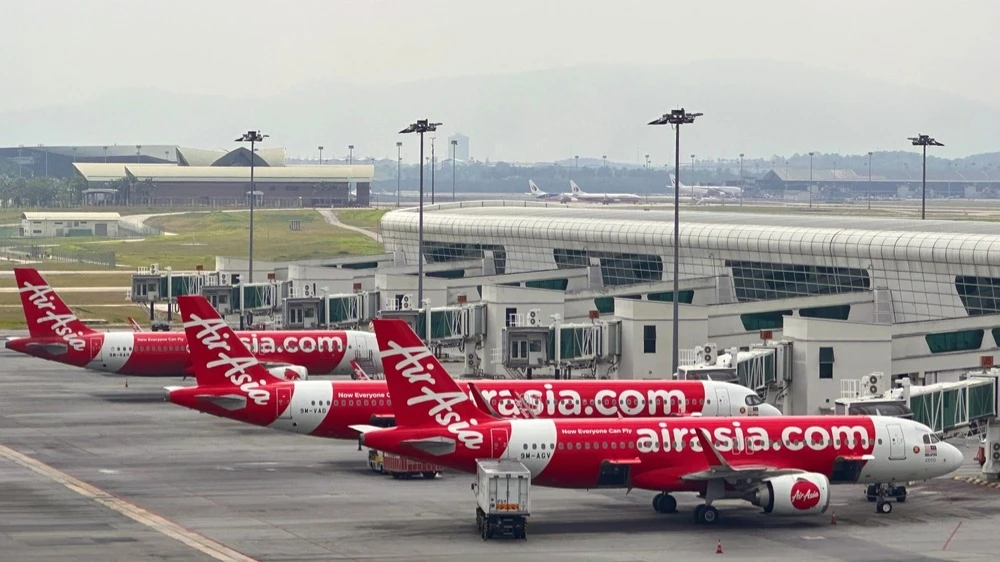
The US-Israeli war against Iran has triggered a spike in oil prices above $100, causing jet fuel prices to double in just one month / Photo: feeqazmir/Shutterstock
The war between the U.S. and Israel against Iran provoked a sharp jump in oil prices above $100, which caused the price of jet fuel to double in just one month, writes Business Insider. As a result, Malaysian low-cost carrier AirAsia X raised ticket prices by 40%, Bloomberg reports. Fatih Birol, executive director of the International Energy Agency (IEA), warns that disruptions in oil supplies may double in April compared to March, and the fuel crisis, which has already started in Asia, will hit Europe in April or May.
What happened to AirAsia X
Malaysian low-cost carrier AirAsia X, a subsidiary of Southeast Asia's largest low-cost airline group AirAsia, raised airfares by nearly 40 percent and increased fuel surcharges by one-fifth after jet fuel costs rose amid the Iran war, Bloomberg notes. The average cost of jet fuel has soared to about $200 a barrel from the previous $90, AirAsia CEO Bo Lingam told a briefing on April 6, calling it the most critical challenge for the company.
The spike in jet fuel prices is hitting budget airlines like AirAsia X particularly hard, putting pressure on business models built on cheap fares, Bloomberg explains. Southeast Asia's largest low-cost group, AirAsia, is also facing the threat of jet fuel shortages across the region, from Vietnam to the Philippines, including its home market of Malaysia, Bloomberg notes.
Lingam said AirAsia X has already canceled about 10 percent of the group's flights since Uraza Bayram in late March and is cutting unprofitable routes. The company is adjusting aircraft utilization schedules and rescheduling maintenance to earlier dates to optimize costs.
AirAsia X shares rose 2.6% in Malaysia on April 6, slightly trimming overall losses to more than 40% since the start of the war. Nevertheless, the company remains among the outsiders of the Bloomberg World Airlines Index (a "barometer" of the state of the global aviation industry).
Why it's important
The shortage of jet fuel is already being felt in Asia, "but I believe that in April or May, the shortage of jet fuel will cover Europe as well," IEA head Fatih Birol warned last week. According to his estimates, in April oil supplies will halve compared to March, which will make the situation with jet fuel availability even more critical, writes Business Insider.
Jun Goh, senior oil market analyst at Sparta Commodities, wrote on social media X that jet fuel requires specialized storage facilities, meaning it is less in stock than other products like gasoline. "Traveling in Asia has become much more expensive, with many airlines introducing fuel surcharges or canceling flights altogether. Europe is facing an imminent shortage of jet fuel. Get ready," she pointed out.
How the situation with jet fuel prices affects other companies
- Europe's largest airline Ryanair said on April 2 that it was considering route cuts. Its chief executive Michael O'Leary said in an interview with Sky News at the time that jet fuel supplies could be jeopardized if the war in the Middle East continues. "We don't expect disruptions until early Ma, but if the war drags on, we risk a supply shortage in Europe in May and June," he pointed out.
- Germany's Lufthansa is also preparing for the worst. A company spokesman told Bloomberg on March 31 that groups have been formed to develop crisis response plans, and the company may suspend operation of up to 40 aircraft.
- A representative of Scandinavian Airlines, Scandinavia's largest airline, said that the company will cut about 1,000 flights due to a sharp jump in jet fuel prices, The Wall Street Journal reported in mid-March. Most of the cancelations will affect short routes in Northern Europe. The airline has also temporarily raised ticket prices. "The sharp rise in jet fuel prices is affecting the entire European aviation system," a spokesman for the carrier said in March.
- United Airlines of America CEO Scott Kirby wrote in a memo to employees in late March that the company would reduce the number of flights over the next two quarters. "In the short term, this represents a tactical reduction in flights that have temporarily become unprofitable due to high oil prices," Kirby said. Kirby said if oil and jet fuel prices remain at current levels, it would require an additional $11 billion in annual fuel costs alone.
- New Zealand's Air New Zealand has announced it will cut about 5% of its flights (about 1,100 departures) in early Ma, its CEO Nikhil Ravishankar told local TV channel 1News in March.
- In addition, several airlines in Vietnam have announced flight cuts to mitigate fuel shortages and rising costs, Reuters wrote in late March. Vietnam Airlines has suspended seven domestic routes since April 1. If jet fuel prices rise to $160-$200 a barrel, the company will cut flight volume by 10-20 percent monthly in the next fiscal quarter. Other local carriers, including Vietjet Air and Bamboo Airways, are also planning cuts in their flight programs.
This article was AI-translated and verified by a human editor