Freedom slashes target price on Nvidia by 25% after earnings, citing three key risks
Freedom sees weak cash conversion as one of the biggest shortcomings in the chipmaker's results

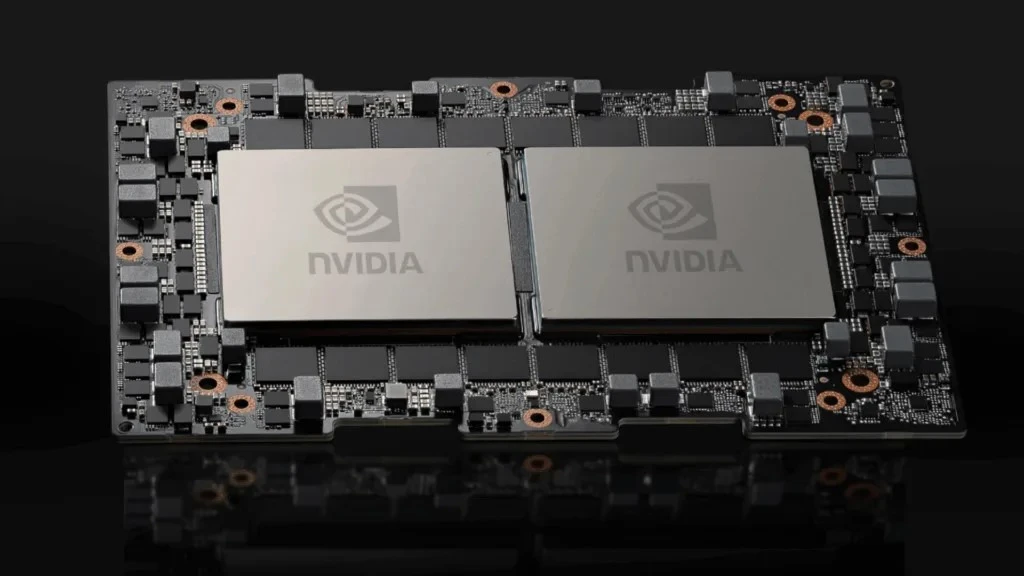
Freedom Broker sees 48% upside for Nvidia shares and rates the stock a "buy" / Photo: Nvidia
Nvidia’s strong third-quarter results have prompted Freedom Broker to raise its revenue and earnings forecasts for the chipmaker. At the same time, it has cut its target price by a quarter, citing three key risks, while maintaining a “buy” rating. Even the lower TP implies around 48% upside for Nvidia. The shares have fallen more than 37% from their most recent record high.
Details
Egor Tolmachev, a senior analyst at Freedom Capital Markets, has cut his TP for Nvidia to $230 per share from $305 per share and maintained a “buy” rating. Tolmachev said several risks facing the chipmaker had intensified. One is uncertainty about how the company will operate under its new CEO.
“The beat was substantial and broad-based and helped lift margins, but it came in a quarter that ended before the management crisis, so it reflects the business rather than the new leadership,” Tolmachev argues. “The departure of the CEO has become a matter of corporate governance and disclosure, and in our view, it warrants a risk premium until the [internal] investigation is complete.”
Freedom sees weak cash conversion as one of the biggest shortcomings in the results. “Nvidia is increasingly financing growth thanks to deferred payments for customers,” Tolmachev said. Nvidia reported $64.9 billion in adjusted net income in the third quarter, but free cash flow came in at just $43.8 billion, 21% below market expectations. Accounts receivable rose $18 billion in the quarter to $81 billion, and the average time it took to collect payments from customers increased to 64 days from 60 days. A year earlier, it was around 53 days. “We see no credit issues with investment-grade counterparties, but the gap between profit and cash flow now looks structural rather than seasonal,” Tolmachev said.
Nvidia’s growing financial commitments pose additional risks, Freedom's note stated. The commitments increased by $152 billion in the quarter to $518 billion. Of that total, $390 billion was in supplier commitments, primarily for memory purchases. Separately, Nvidia’s maximum exposure under guarantees for infrastructure financing, including projects involving OpenAI and neoclouds, was $118 billion.
What other analysts say
JPMorgan raised its TP for Nvidia to $230 per share from $215 per share after the earnings report and kept its “overweight” rating, according to Investing.com. That is 48% above Tuesday’s close. The bank singled out the strong launch of the Vera Rubin platform, which generated around $20 billion in revenue for Nvidia in its first full quarter of shipments. The platform helped sales growth to the largest cloud providers pick up a quarter earlier than the management had expected.
Wedbush raised its TP for Nvidia to $293 per share from $275 per share and reiterated its “outperform” rating. The new TP is 93% above Tuesday’s close. Wedbush expects demand for the chipmaker’s products to remain strong in the near and medium term and believes investors have already priced in the worst-case scenarios. The house sees Nvidia’s leadership change, uncertainty over AI infrastructure financing, and regulatory risks as unlikely to materially affect the company’s near-term growth. Its longer-term outlook has become harder to assess, however.
UBS cut its TP for Nvidia to $220 per share from $240 per share and kept its “buy” rating. That is 42% above Tuesday’s close. UBS analyst Timothy Arcuri sees a risk of a sharp slowdown. Nvidia’s quarterly revenue is currently growing more than 100% year over year, but Arcuri projects annual revenue growth of less than 10% in calendar 2028. The analyst forecasts earnings of around $18.80 per share that year and expects Nvidia’s financial performance to stay flat in 2029. He also noted that the management took a more measured tone on financial support for neoclouds. Nvidia still intends to support its partners, but the management now says it will be “disciplined and selective.” Arcuri is concerned that Nvidia’s commitments to suppliers could leave it having to keep financing customers to sustain sales growth.