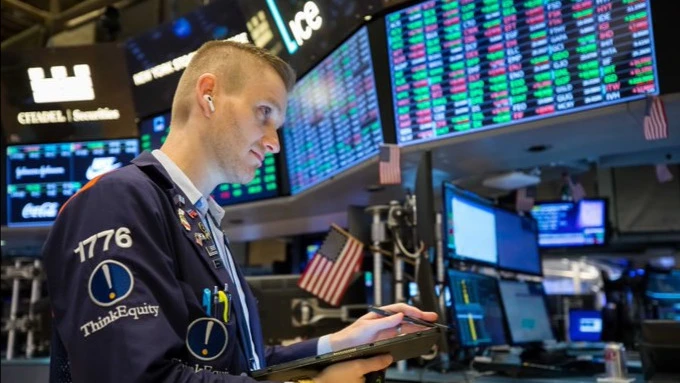
Gold has lost almost 15% in two months of war. Why do analysts expect it to rise?

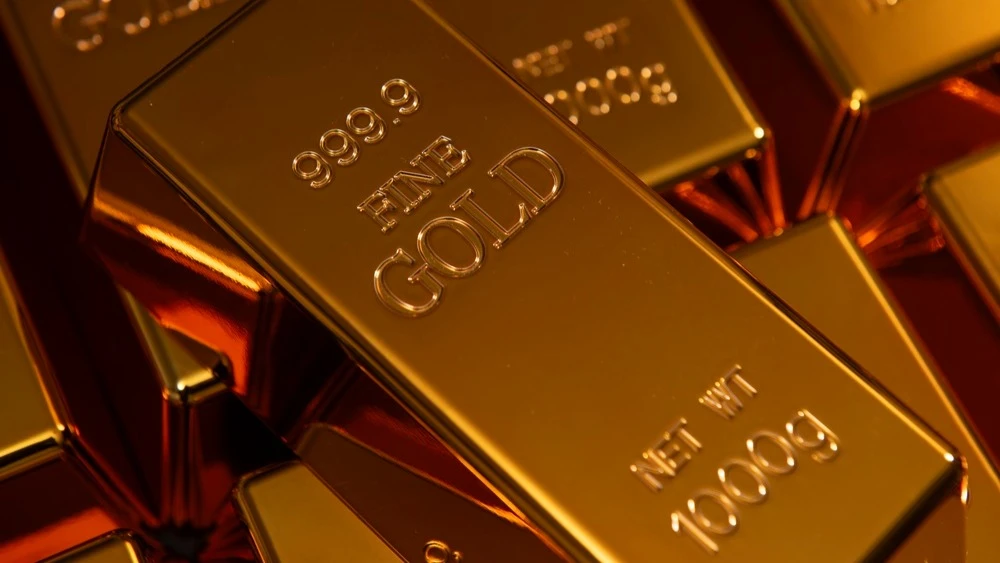
Since the beginning of the war in the Middle East, gold quotes have lost almost 15% / Photo: Faces Portrait/Shutterstock
Contrary to the status of "safe harbor", for the last two months - since the beginning of the military conflict between the U.S., Israel and Iran in late February - gold has lost almost 11% of its value. However, analysts are confident: the precious metal will grow, writes MarketWatch.
Details
As of April 28, gold prices were down almost 15% from the closing level of February 27 ($5247.9). Although gold rose slightly on the first trading day after the start of the conflict, it ended up losing almost 11% in March. According to Dow Jones Market Data, this was the first monthly decline for gold since last June - and the largest monthly drop in nearly 13 years, MarketWatch writes. By the end of April, the precious metal's prices had fallen further.
The June gold contract closed Monday, April 27, on the Comex exchange at $4693.7 per ounce, down 1% for the session. That was 12.4% below the high of $5626.8 set on January 29. On Tuesday, April 28, the spot gold price fell further - to a three-week low of $4605.18. As Julius Baer analyst Carsten Menke notes, this fall was triggered by another impasse in negotiations between the United States and Iran - U.S. President Donald Trump remained dissatisfied with Iranian proposals to end the two-month war, writes Reuters.
What the market is saying
What the market has been witnessing since the war began is a fairly typical pattern for crisis markets, said Money Metals Exchange President and CEO Stefan Gleason. Before the war, gold rose sharply amid geopolitical concerns and demand for protective assets, but then the precious metal's price corrected: "there was a need for liquidity" and the markets' focus shifted to concerns about inflation and the suspension of the Federal Reserve's (Fed) interest rate easing cycle, Gleason said.
Against the backdrop of the war in the Middle East, gold has been "piled in the same pile as all other assets" and is now under the influence of the conflict between the U.S. and Iran, according to Brian Lundin, editor of the Gold Newsletter. He pointed out that every geopolitical escalation provokes a jump in oil prices, which in turn increases investors' fears of a tougher Fed policy, leading to a collapse of the markets. In March, this chain reaction resulted in the S&P 500 index falling by more than 5%, gold began to fall in sync with the stock market, which pulled silver and gold mining stocks, resulting in the S&P 500 industry index falling by 13% in March.
Lundin notes that gold volatility is "part and parcel" of what happens when Western traders are actively involved in trading. While Central Bank purchases had previously provided smooth growth, the influx of private capital at the end of last summer triggered a strong speculative impulse. This is what allowed gold to soar more than 60% last year, but at the same time made the market vulnerable to corrections, one of which we are seeing now, writes MarketWatch. Lundin believes the bullish trend in gold prices will resume once there is a truce between the U.S. and Iran, which will lower oil prices and ease concerns about inflation and high interest rates.
At the same time, co-founder and managing partner of futures broker Michael Armbruster of Altavest points to another possible scenario: even if oil prices remain high, they will start to slow down U.S. GDP growth in the second half of the year. The U.S. still has "a multi-trillion dollar deficit, which will be financed by printing even more money, which will only add to gold's investment appeal," the expert believes. "The persistence of high energy prices for a long time is likely to become a serious obstacle to economic growth in the coming months. This macroeconomic situation in the second half of this year will be more favorable for gold," Armbruster said.
Oil is rising in trading on April 28, with Brent up more than 2% to $110.84 and WTI up more than 3% to $99.53.
This article was AI-translated and verified by a human editor