Protective assets instead of euphoria: UBS names 5 risks after Middle East truce
Switzerland's largest bank sees investment opportunities in U.S. utility stocks, bonds and gold

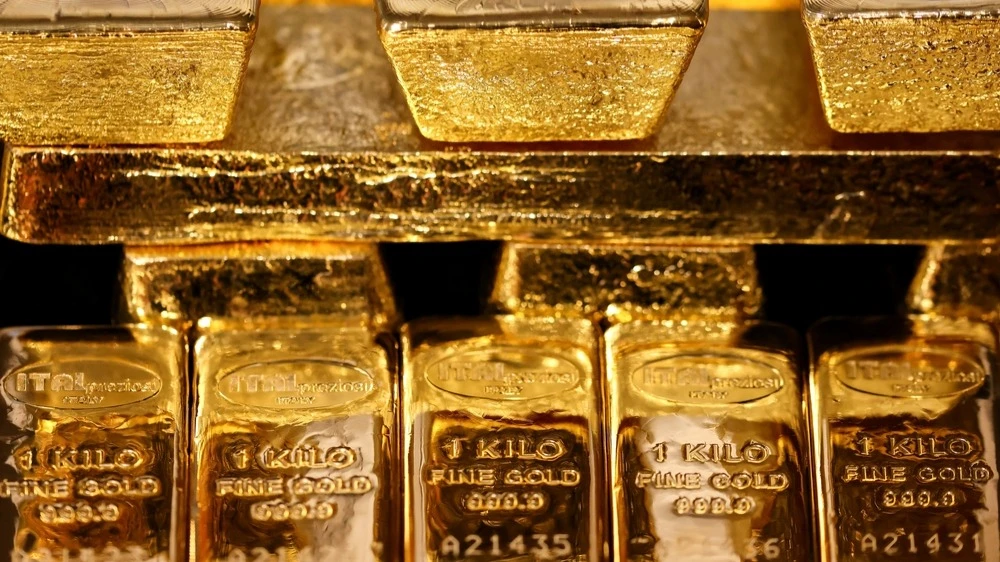
Gold prices remain well below the levels at which they were at the beginning of the Iranian crisis, emphasize UBS / Photo: Alessia Pierdomenico/Shutterstock.com
Although there are plenty of reasons for optimism after the US-Iran ceasefire, the threat to investors is not over yet, UBS warned. Switzerland's largest bank has identified five major risks that still hang over the markets.
Details
Most of the risks stem from the fact that shipping volumes through the key oil artery, the Strait of Hormuz, won't return to pre-war levels overnight, Business Insider reported, citing a note to UBS clients.
First, many merchant ships have previously left the Middle East region, and it will take time for them to return to their usual routes.
Second, the current U.S.-Iran cease-fire agreement is only for two weeks. As this deadline expires, shipping companies will become increasingly doubtful about the safety of sending their tankers through the strait.
Third, there are no credible guarantees that Iran and its armed forces will honor the deal and keep the strait open. "Any strike on a passing vessel could derail progress [in the negotiations]," UBS emphasized.
Fourth, UBS analysts pointed out, the issue of control over the Strait of Hormuz in the future remains unclear. It is still unknown whether the U.S. will be involved in any way, and whether Iran will not charge a fee for passage of ships. Disagreements on these points could lead to stagnation of the peace process.
Fifth, Tehran's nuclear ambitions, the current sanctions regime and U.S. security guarantees are likely to become stumbling blocks in negotiations on long-term peace in the Middle East, UBS summarized.
Risks are already being realized
The fears of UBS analysts have already begun to be confirmed: on April 8, Iran again stopped the passage of tankers through the Strait of Hormuz, considering the Israeli strike on Lebanon as a violation of the terms of the ceasefire. Closer to the close of markets the day before, Mohammad Bagher Ghalibaf, speaker of the Iranian parliament, officially announced that the truce had been broken.
How UBS advises investing
The team of analysts of UBS recommended long-term investors to keep current portfolios, and short-term players (speculators) - to pay attention to some American assets, as well as securities of Switzerland and developing countries. In particular, UBS experts see the greatest opportunities on the U.S. stock exchanges in shares of utilities and industrial companies, as well as in the health care sector.
The bank also suggested clients to consider investing in high quality bonds with short and medium duration. According to the financial organization's estimates, these debt securities may get a boost in value in the long run due to low interest rates.
Special attention in the UBS review is paid to gold: experts believe that the potential increase in precious metal quotations is 23% from the current levels. "In the medium term, if the market begins to put into prices a lower probability of a rate hike while geopolitical and fiscal risks remain high, we expect a resumption of growth in gold prices. Our target is $5900 per troy ounce by the end of [2026] and we view the metal as a valuable portfolio hedge," said UBS.
At trading on April 9, the cost of spot gold practically did not change compared to the level of the previous closing - the precious metal is traded at $4715.9 per ounce.
This article was AI-translated and verified by a human editor