Gold is approaching its best day since 2008, silver is up 10%. What's next?
Precious metals prices reversed after the sharpest two-day collapse in decades

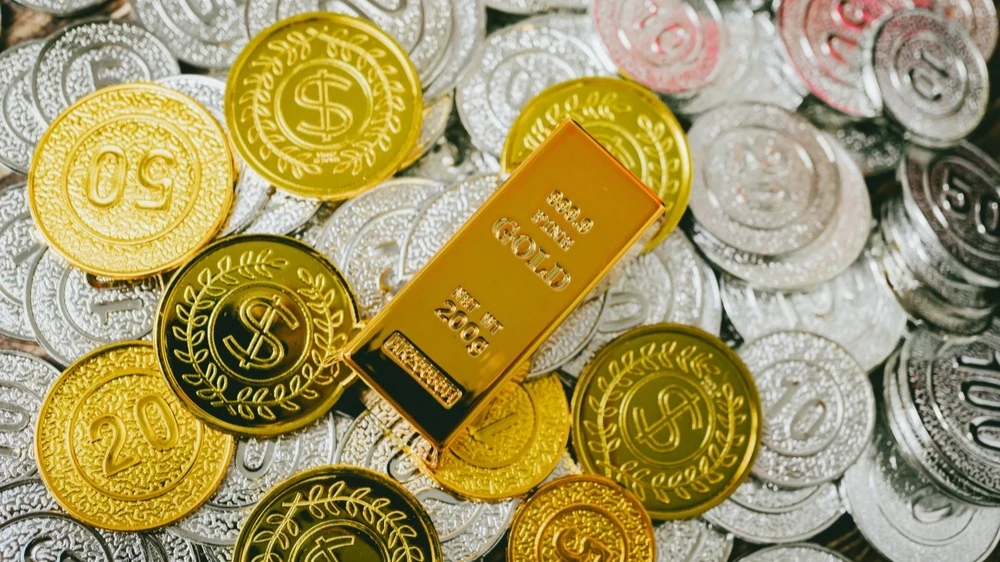
After a two-day collapse, gold is having its best day since 2008, silver rebounded sharply / Photo: jkcDesign / Shutterstock
Gold jumped more than 5% on Tuesday, February 3, and approached its strongest daily gain since November 2008. Silver also rose sharply as precious metals began to recover from the deepest two-day drop in decades, Reuters noted.
- Gold rose in price by almost 6% to $4941 per ounce in trading on February 3. A day earlier, on February 2, the price of the metal fell to $4403.24 - two sessions after reaching a historic peak of $5594.82.
- Silver, meanwhile, rose 10% to $87.40 an ounce on February 3, after suffering its biggest one-day drop in history on Friday, January 30, falling more than 30%. On Monday, February 2, the metal lost another 11%.
"One could reasonably say that current levels are somewhere near fair value, given that the market has been behaving rather irrationally for several weeks," said Capital.com senior market analyst Kyle Rodda (quoted by Reuters). According to him, the current quotes bring gold and silver back to the levels of the early second half of January.
Context
On January 30, US President Donald Trump nominated Kevin Warsh as a candidate to head the Federal Reserve. This move reduced uncertainty around monetary policy and led to the strengthening of the U.S. dollar, writes MarketWatch. Among other things, against this background, precious metals began to decline. As a result, gold on January 30 showed the most significant intraday decline since the early 1980s, losing 12%. Silver fell in price by 31% on the same day. On February 2, both precious metals lost another 7% and 11% respectively.
What the analysts are saying
"Markets perceived Donald Trump's nomination of Warsh as relatively credible, which supported the dollar and was a kind of needle that pricked the bubble in the precious metals market," Rodda noted, according to Reuters.
A sharp drop in silver prices by more than 30% in one day - for the first time since 2022 - formally moved the metal into the bear market zone, but a number of analysts do not consider it a sign of a long-term trend reversal, MarketWatch writes. Traditional criteria for percentage declines do not always reflect the real market situation, said Peter Grant, vice president and senior metals strategist at Zaner Metals. He added that he's "not fully convinced that silver is actually in a bear market zone" - even if technically it is.
Other strategists also point out that silver prices have more than doubled over the past 12 months, which argues in favor of the precious metal may not stay in a bear market for long, MarketWatch notes.
At the same time, both gold and silver were significantly overbought before the collapse on January 30, so, in Grant's opinion, it is too early to talk about the formed price lows. Possible consolidation of quotations would give the market time to rethink the situation, he added. According to Grant, the underlying trends remain bullish for precious metals, especially against the backdrop of a "sustainably formed de-dollarization trend." "If central banks accelerate [precious metals] purchases on this drawdown, that will tell us a lot," Grant said.
RJO Futures market strategist John Caruso agrees that silver's formal entry into the bear market zone does not reflect the real picture. According to him, the metal has risen by an extremely high percentage over the past 12 months (more than 160%, according to MarketWatch) and is still trading at more than double the levels of a year ago.
This article was AI-translated and verified by a human editor