Goldman Sachs head surprised by 'calm' markets amid conflict in Middle East
As oil rises in price and Asian indices go into a steep dive, David Solomon warns: it will take weeks to realize the consequences of war in the Middle East

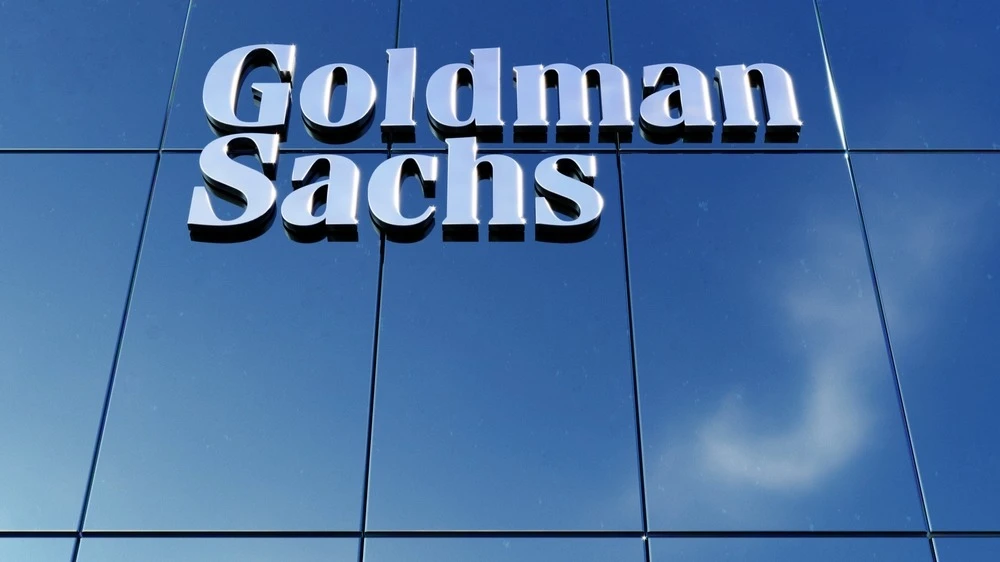
Goldman Sachs Group Chairman David Solomon said he was surprised by the "subdued" reaction of financial markets to the conflict in the Middle East. Photo: ioda/Shutterstock
Goldman Sachs Group Chairman David Solomon said he was surprised by the "subdued" reaction of financial markets to the conflict in the Middle East, adding that it will take a few weeks to better understand the situation, Bloomberg writes.
Details
David Solomon noted that now investors are pondering whether the military operation of the U.S. and Israel against Iran will become protracted and whether it will begin to affect the level of consumption, specifies Bloomberg. "It's very difficult to speculate because there are too many unknowns at the moment," the top executive said at the Australian Financial Review Business Summit in Sydney.
He also added that he was not surprised by the rise in the VIX index (a key indicator of expectations of market turbulence) and other volatility indicators. The VIX Fear Index rose 8.4% to 23.2 on March 3. Any value above 20 usually indicates rising market volatility and increased uncertainty among investors.
Solomon also touched on the turmoil in the $1.8 trillion U.S. private credit market, particularly the situation with Blue Owl, which suspended withdrawals from one of its funds in mid-February. While there have been a number of "isolated" problems, this does not mean that overall credit quality is a concern, the Goldman Sachs head said: "If you look at the actual credit metrics in many of these portfolios, there has been no broad deterioration to date," he said.
He noted that the U.S. economy is holding up well, making it difficult to identify areas where credit risk may be excessive. "When there is a credit cycle, slowdown or recession, we will have more clarity on areas where credit standards have been relaxed," Solomon elaborated.
What's happening in the markets
The S&P 500 index fell less than 1% on Monday and Tuesday - the first trading sessions since the conflict in the Middle East began to escalate - partly reflecting its reliance on large technology stocks, Bloomberg emphasizes. Since Solomon's speech, declines in global stock markets have intensified, with the MSCI Asia Pacific index (which tracks equity markets across the Asia-Pacific region) collapsing 4.5% on March 4 and South Korea's Kospi collapsing more than 12%. The Indian rupee weakened to a record low on fears that rising energy prices will spur inflation.
U.S. government bonds fell this week amid inflationary concerns, lowering expectations for an interest rate cut. The US dollar strengthened after a long period of weakness.
Much of the market reaction has centered on oil prices and whether crude will be able to pass through the Strait of Hormuz unimpeded. The price of Brent rose to $84 a barrel on March 4 - after rising about 12% in the past two days, Bloomberg writes, noting that for Brent, it's the biggest jump since 2020.
This article was AI-translated and verified by a human editor