"Guessing Game": oil at $100, stocks rise amid Iran uncertainty


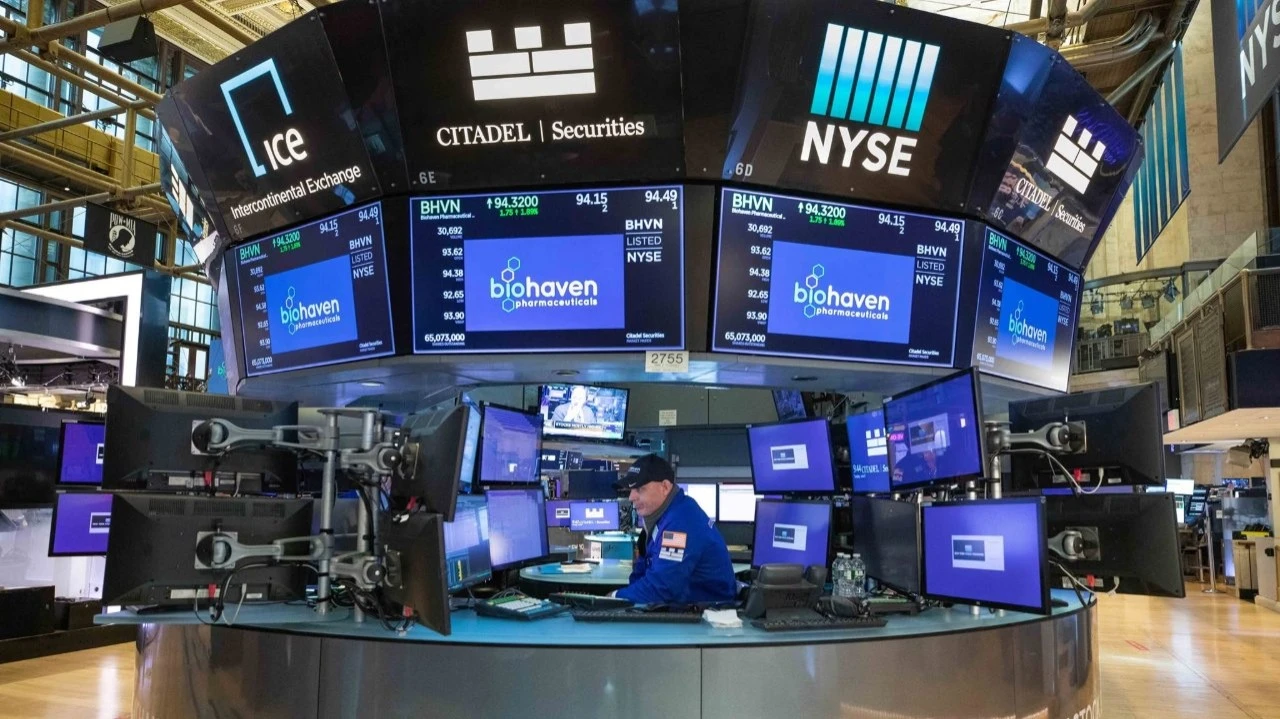
Photo: X / NYSE
Major U.S. stock indices opened on April 22 with growth amid contradictory signals from the Middle East. On the one hand, US President Donald Trump extended the ceasefire with Iran, referring to the "split" in the Iranian government over the continuation of peace talks. On the other - already after this announcement, Iran announced the seizure of two ships in the Strait of Hormuz - allegedly for violating maritime laws. Both ships were escorted to Iranian shores by the Islamic Revolutionary Guard Corps (IRGC). This is the first time Iran has seized ships since the beginning of the war, Reuters notes.
Details
- Against this background, the price of Brent crude oil with delivery in June jumped back above $100 per barrel - adding more than 1.55% against the previous close. WTI is trading at $91.11.
- Meanwhile, the broad index of American stocks S&P 500 has added 0.61% in the first minutes of trading, the tech-heavy Nasdaq Composite is up 0.74%, while the Dow Jones blue-chip index is up 0.81%. The Russell 2000 index of small and medium capitalization companies is falling by 1%.
- The VIX Volatility Index, known as the "Wall Street Fear Index," falls 2.46% from the previous close to 19 points - any value above 20 indicates increased volatility in the market.
- Spot gold is up 0.76% to $4755.8 an ounce.
What the market is saying
"Donald Trump's contradictory statements and his insistence on continuing the U.S. blockade [of Iranian ships and ports in the Strait of Hormuz] means investors will continue to play a guessing game," noted AJ Bell investment director Russ Mould (quoted by Bloomberg).
"Markets are still balancing improved sentiment with lingering geopolitical risks," said Daniela Hathorn, senior market analyst at Capital.com. "While reports of ceasefires and periodic reopenings of [shipping through] the Strait of Hormuz have helped ease [energy] supply concerns, disruptions to flows persist, supporting a risk premium in energy markets," she added.
Positive investor sentiment indicates that the market is desperately trying to hold on to good news, reflecting a belief that despite failures in dialog, the war will be resolved at the negotiating table rather than on the battlefield, Reuters writes. Nevertheless, states Kyle Rodda, senior financial markets analyst at Capital.com, "the peace process looks fragile again."
The material is supplemented
This article was AI-translated and verified by a human editor