Oil prices could hit $130 with prolonged blockade of Strait of Hormuz - Citigroup

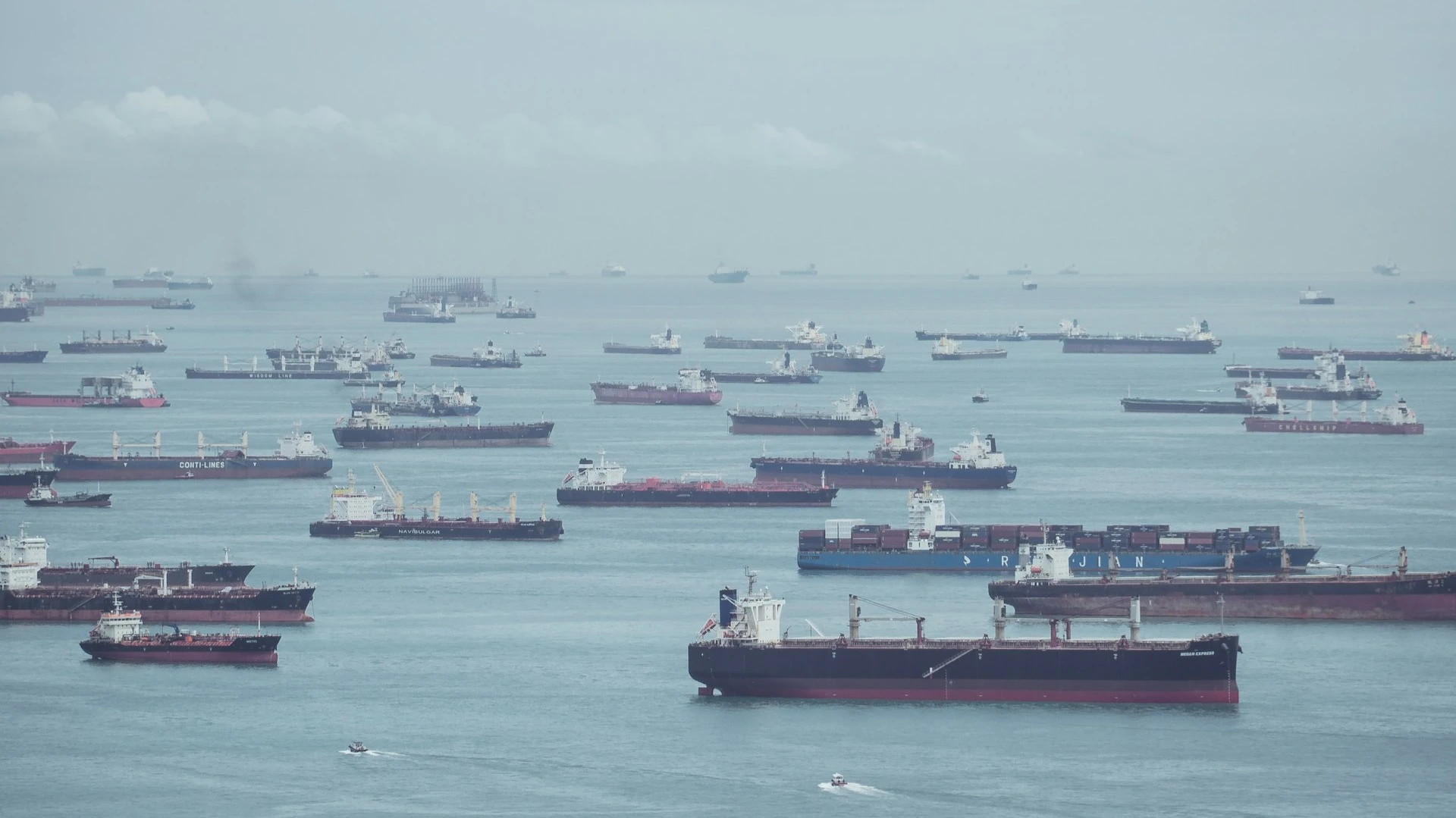
Oil could rise to $130 per barrel if the blockade of the Strait of Hormuz continues, says Citigroup / Photo: unsplash.com / Chris Johnson
Citi analysts have presented possible scenarios of oil market development until the end of the year, reports CNBC. They assume that prices may vary from $95 to $130 per barrel - depending on the situation with supplies through the Strait of Hormuz, which remains blocked due to the conflict between the U.S. and Iran. Market recovery directly depends on the timing of the opening of this corridor, the bank points out.
Citi's three scenarios
In the baseline scenario, Citi assumed that the truce between Iran and the U.S. would be extended and oil supplies through the Strait would gradually recover in May and return to normal by the end of June. In that case, global inventories would fall by about 900 million barrels and the Mark Brent price would average about $95 a barrel in the second quarter, with a subsequent decline to $75-80 in the second half of the year. Even with a quick resolution of the conflict, according to the bank's analysts, global oil reserves by the end of June will be at their lowest level in eight years.
The intermediate scenario assumes that export disruptions will continue for another month. This scenario takes into account partial redirection of flows through the Bab-el-Mandeb Strait and the Red Sea, as well as through the city of Fujairah in the eastern part of the Gulf of Oman - bypassing the blocked Strait of Hormuz. Supply losses under this scenario could reach 1.3 billion barrels, and prices could rise to $110 per barrel in the second quarter with a gradual decline to $80-90.
In the negative scenario, disruptions will persist for another 8-9 weeks. This will lead to a supply deficit of about 1.7 billion barrels and a drop in inventories to a historic low, Citi analysts forecast. Under such conditions, the cost of oil may hold at around $130 per barrel through the third quarter before falling to $100 by the end of the year.
This article was AI-translated and verified by a human editor