Gulf states discuss investment review due to war pressures - FT
Last year, several players in the region pledged to invest hundreds of billions of dollars in the US

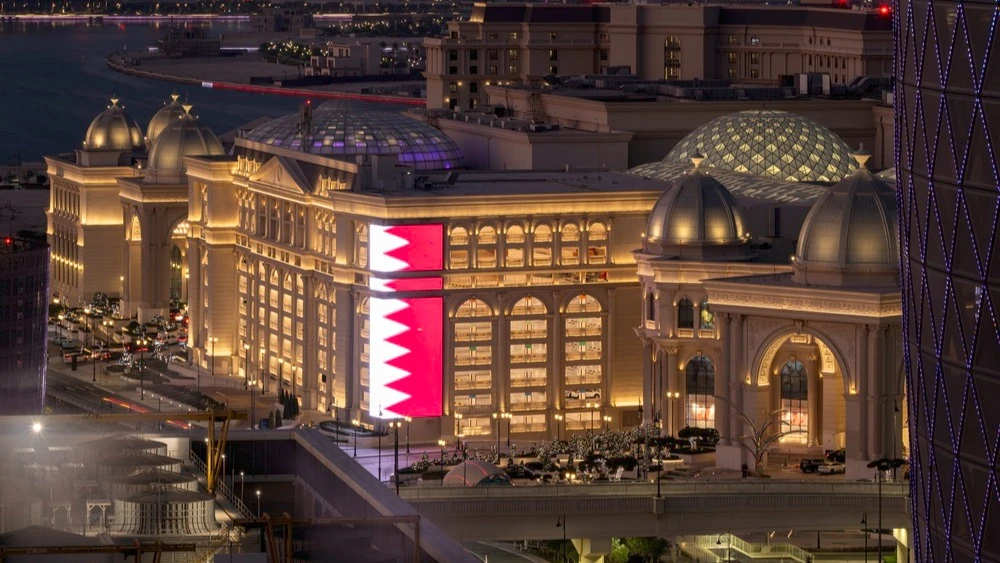
Gulf states may reconsider investments amid war / Photo: Q world / Shutterstock
The pressure that the US war with Iran and the accompanying crisis in the region is putting on the budgets of Gulf countries may force them to reconsider overseas investments and future commitments, the Financial Times reports. Countries are looking for ways to ease the financial strain caused by the war. This could affect areas ranging from investment promises to foreign governments or companies to sports sponsorships, contracts with businesses and investors, and asset sales, a source in the region told the newspaper.
Details
Three of the four major Gulf economies - Saudi Arabia, the United Arab Emirates, Kuwait and Qatar - have been discussing together the problems facing their budgets and economies, according to the FT source. The newspaper does not specify which countries they are talking about.
"Several Gulf countries have begun an internal review to determine whether force majeure clauses can be applied to existing contracts. At the same time, they are reviewing current and future investment commitments to reduce the expected economic burden due to the ongoing war. Especially if the war and related costs continue at the same pace," the newspaper's interlocutor said.
The source added that the move is preventive in nature and is related to "pressure on the budgets of these countries due to reduced energy revenues - due to lower production or inability to supply - as well as problems in the tourism and aviation sectors and increased defense spending."
In addition, the UAE is considering cutting off Iran's access to billions of dollars held in the country, The Wall Street Journal reported, citing sources. Such a move could seriously limit Tehran's access to foreign currency and global trade networks amid a deteriorating economy and ongoing conflict, the newspaper said. According to the newspaper, the Emirati authorities have already warned Iranian officials that they are considering such a measure, but the final decision has not yet been made.
Dubai has long served as an important financial corridor for Iranian companies and individuals trying to circumvent Western sanctions: through shell companies in free economic zones hid the origin of Iranian oil and other goods, and informal currency exchanges helped transfer funds outside the control of the traditional banking system, the U.S. think tank Atlantic Council said, according to the publication.
Why it's important
Gulf states manage some of the largest and most active sovereign wealth funds in the world, and Saudi Arabia, the United Arab Emirates and Qatar last year pledged to invest hundreds of billions of dollars in the US following President Donald Trump's visit to the region, the FT notes.
They are also major sponsors of sporting events around the world and are actively investing within their countries, developing their economies and seeking to diversify their sources of income, the newspaper explained.
UAE billionaire Khalaf Al Habtoor wrote an open letter to Trump expressing his displeasure at the country's involvement in the war.
"A direct question: who gave you the right to drag our region into a war with Iran? And on what basis did you take this dangerous decision. [...] These countries (the Gulf states that are part of the "Peace Council" and are sponsoring Trump's Gaza reconstruction plan - Oninvest) have the right to ask today: where did this money go? Are we funding peace initiatives or a war that puts us in danger?".
Any moves that would affect investments in the US or other Western countries could increase pressure on Donald Trump to seek a diplomatic path to end the war, the FT notes.
Context
Oil-producing Gulf states have been caught up in the conflict the US and Israel have launched against Iran after Tehran retaliated against Washington's regional allies. The war has virtually halted shipping through the Strait of Hormuz, a key sea route through which about a quarter of the world's oil and gas passes. At least ten tankers in the Persian Gulf have been damaged during the conflict, the FT writes.
Qatar, the world's second largest liquefied natural gas (LNG) producer, was forced to declare force majeure this week after suspending production following a drone attack on its main LNG plant. The strike also hit one of Saudi Arabia's largest refineries.
This article was AI-translated and verified by a human editor