How China is tacitly benefiting from the Gulf War

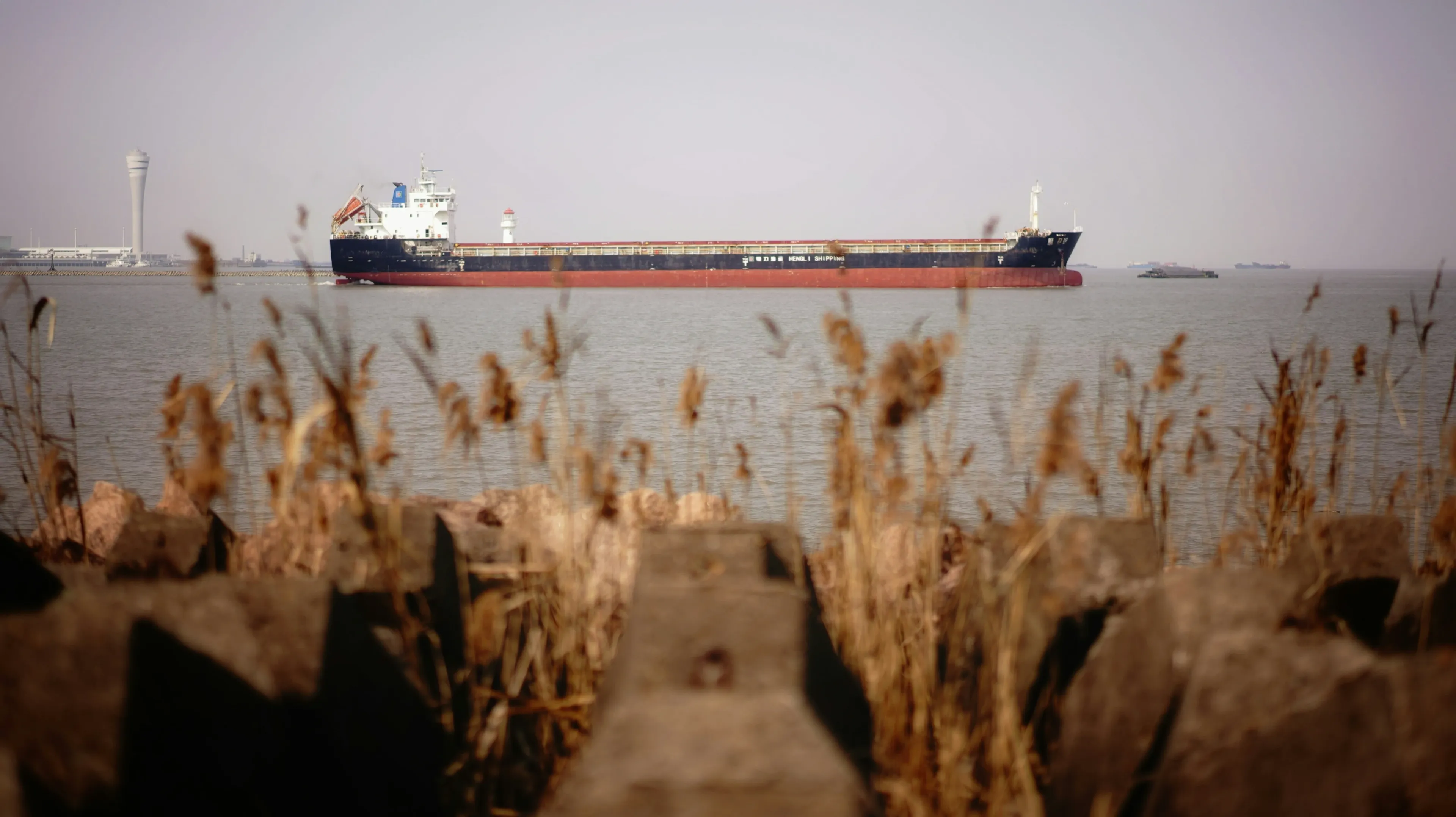
China has enough strategic oil reserves to last about 120 days / Photo: Jorick Jing / Unsplash.com
Any war in the Middle East is usually perceived as a global risk for the economy. Oil rises, logistics become more expensive, and markets get nervous. But if you look more closely, this turbulence has beneficiaries. One of them is China.
Beijing almost always takes a restrained position in the region's conflicts. And it is precisely this strategy that often allows it to extract economic advantages, investor Yevgeny Marchenko writes in his Telegram channel Kubyshka.
Oil and discounts
China is now the largest importer of oil in the world. Any instability in the Middle East forces exporters to look for guaranteed buyers.
Beijing is taking advantage of this. Chinese companies often receive oil under long-term contracts at a discount, especially from countries that are under sanctions or political pressure.
The higher the tensions in the region, the more the Gulf countries are interested in stable demand. China is becoming just such a buyer.
Logistics realignment
War or threats of attacks in the Red Sea and the Persian Gulf disrupt traditional trade routes. This hits European supplies and lengthens transportation chains.
But China is actively building alternative infrastructure. As part of the Belt and Road Initiative, Beijing has invested in dozens of ports and logistics hubs from Pakistan to Africa.
If traditional routes become unstable, the importance of these projects only grows.
Helium and strategic resources
Ma few people pay attention to helium. But it is a strategic resource for high technology, medicine and the space industry.
The largest helium supplies come from Qatar. Any instability in the region affects the global market. China is actively building up its own reserves and long-term contracts, reducing its dependence on Western suppliers.
In an unstable environment, countries with long-term contracts gain an advantage.
Port infrastructure
Chinese companies now manage or invest in dozens of ports around the world. From Greece to Africa and the Middle East.
When traditional maritime logistics face risks, the importance of ports and alternative routes increases. China's infrastructure is gradually becoming part of the global trade system.
In fact, Beijing is turning into one of the key operators of global logistics.
Settlements without a dollar
Another long-term trend is the gradual abandonment of the dollar in international settlements.
China is already concluding energy deals in yuan with a number of countries in the Middle East. In the context of geopolitical tensions, many countries are seeking to diversify their currency settlements.
Each such contract gradually strengthens the RMB's role in global trade.
Sale of U.S. bonds
In parallel, China is reducing its investments in US government bonds. In recent years, the share of U.S. debt in Beijing's reserves has significantly decreased.
If global tensions escalate, the U.S. is forced to increase defense and security spending. This means a growing budget deficit and additional pressure on the debt market.
For China, it's another way to reduce its dependence on the U.S. financial system.
What the U.S. has to lose
For the U.S., the Gulf War means several things.
First, rising military spending and increased geopolitical responsibilities in the region.
Second, higher oil may increase inflation domestically.
Third, the gradual strengthening of alternative trading and financial systems reduces the long-term influence of the dollar.
Of course, the U.S. economy remains one of the strongest in the world. But any prolonged conflict creates space for other players.
A cautious conclusion
Geopolitics rarely produces clear-cut winners. But history shows that countries that act cautiously and avoid direct involvement in conflicts often gain economic advantages.
And if instability in the Middle East lingers, China's influence in the global economy could gradually increase.
This article was AI-translated and verified by a human editor