The US lifted sanctions on Russian oil for a month. How did the market react?
U.S. Treasury Department authorization allows a month to buy oil from Russia stuck at sea

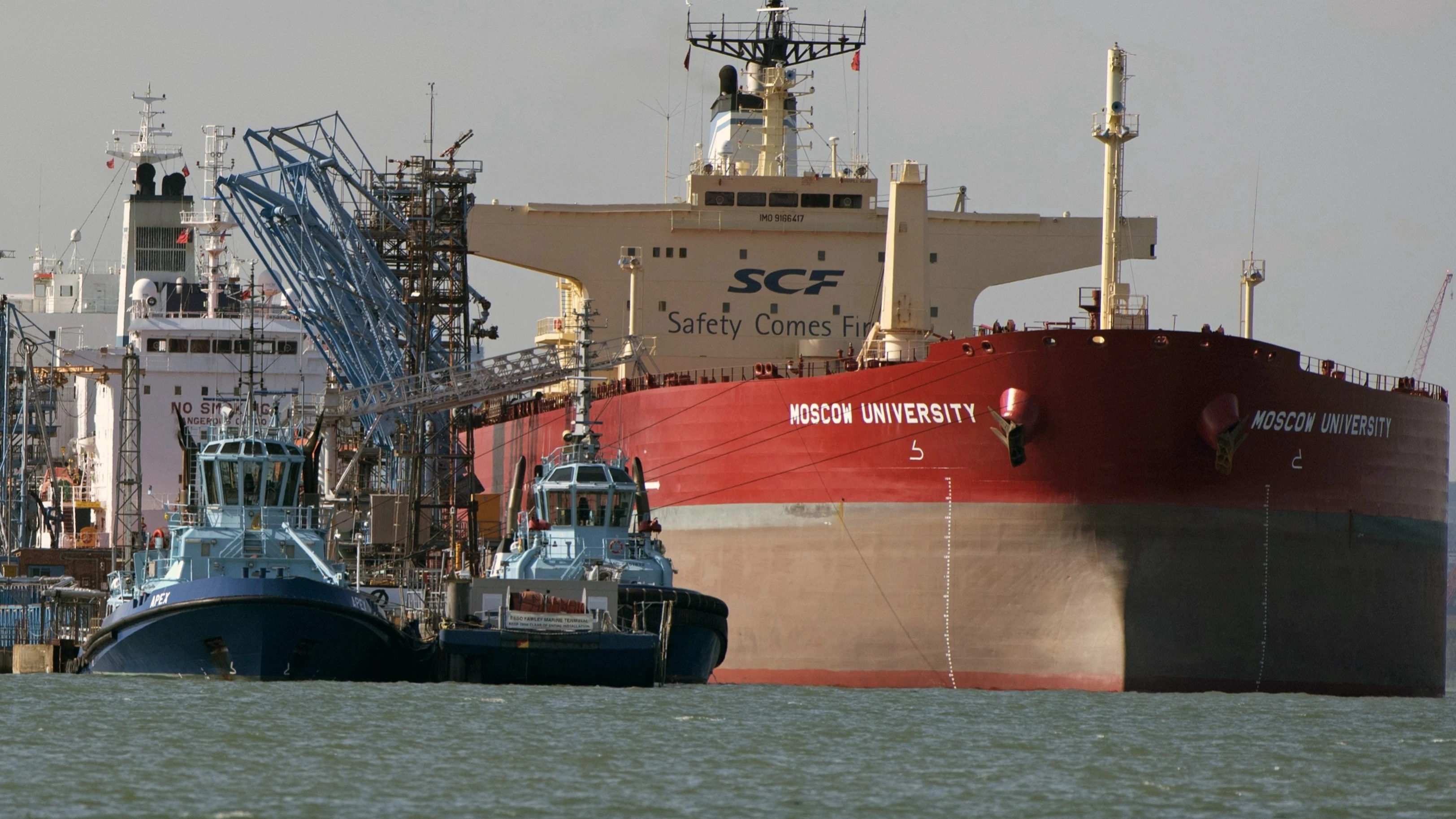
According to Fox News, there are now 124 million barrels of Russian-origin oil and oil products on tankers at sea / Photo: Peter Titmuss / Shutterstock.com
The U.S. has issued a 30-day authorization allowing the purchase of sub-sanctioned oil from Russia blocked at sea. The release of these volumes is a short-term measure that can compensate for the global supply shortage for less than a week, media close to the White House state.
Details
The White House is authorizing until midnight April 11 Washington time the delivery and sale of crude oil and petroleum products from Russia already shipped to ships, according to a license published on the website of the U.S. Treasury Department. In a statement on the X network, posted shortly after the quotations of benchmark Brent and WTI crude oil grades exceeded $100 per barrel, Treasury Secretary Scott Bessent said that the lifting of sanctions was "narrowly focused" and "short-term" and would not bring Moscow "significant financial benefit."
As of March 12, there were about 124 million barrels of Russian-origin oil in 30 different locations in the world's oceans, Reuters reported, citing data from Fox News TV channel close to the ruling US Republican Party. The TV channel added that the volume of oil from Russia, unlocked thanks to the U.S. license, would cover the supply dropout due to the war with Iran for only five or six days.
On March 5, the U.S. Treasury Department had already issued a similar authorization specifically for India, allowing New Delhi to purchase stranded Russian oil for a month.
Market Reaction
After the announcement of the suspension of sanctions, prices for both benchmark Marks fell by about 1% in the morning of March 13, but then fully recovered the losses. Brent futures are now trading in the plus by 0.3%, just above $100 per barrel. The price of WTI contracts stabilized at the level of Thursday's close of trading, around $96.
What the analysts are saying
"The license issuance has eased market fears, but it will not solve the fundamental problem. The most important thing is to restore shipping traffic in the Strait of Hormuz," Haitong Futures analyst Yan An emphasized.
On March 12, several tankers were set on fire in the Persian Gulf, and Iran's new supreme leader Mojtaba Khamenei threatened to keep closed the Strait of Hormuz, which in pre-war times provided a fifth of the world's oil transit. As a result, Brent and WTI jumped more than 9% to their highest levels since August 2022.
The fleeting relief after the decision of the U.S. and allies to release a record 400 million barrels of oil from reserves to the market was leveled by the escalation of Middle East risks, said IG analyst Tony Sycamore. Iran itself passes through the strait one or two tankers a day, mostly to China, thus maintaining Beijing's loyalty and ensuring the inflow of funds, the expert noted.
This article was AI-translated and verified by a human editor