U.S. intervention in oil futures trading risks 'biblical disaster' - CME
If the Strait of Hormuz remains closed until April, the cost of oil could exceed 2008 highs, Goldman Sachs has warned

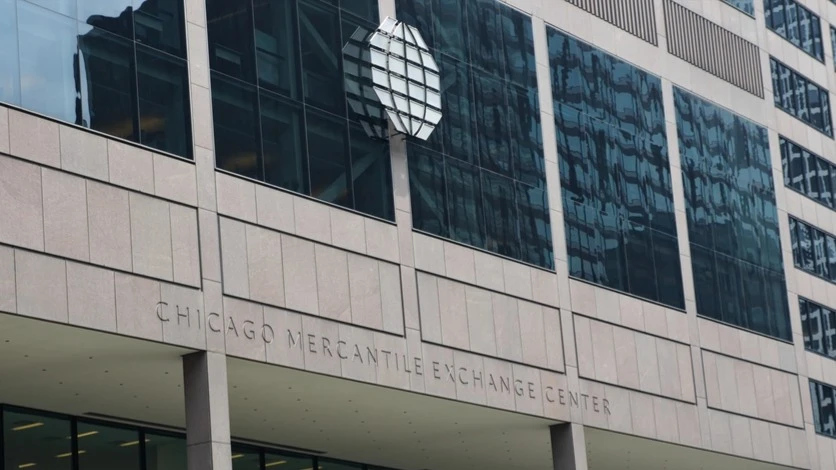
Management of the CME, the largest derivatives trading platform, has warned the administration of US President Donald Trump against interfering in the oil futures market / Photo: Frennet Studio / Shutterstock.com
An attempt by US President Donald Trump's administration to lower oil prices by interfering in derivatives trading could cause tremendous damage to the market, CME Group head Terry Duffy warned. The White House denies such interventions, but price swings in recent days have made traders question this.
Details
"Markets don't like governments interfering with pricing," Terry Duffy, head of CME Group's largest derivatives trading floor, said at a conference in Florida. The U.S. government's entry into the futures market to curb oil prices would take away investors' faith in the market's ability to set prices for the most important exchange-traded commodities, leading to a "biblical catastrophe," the Financial Times quoted him as saying.
According to a senior White House source told Reuters, the U.S. Treasury Department is considering intervention in the futures markets as one of the possible measures to reduce oil prices. However, sharp price fluctuations in recent days - earlier this week they jumped to nearly $120 a barrel before reversing sharply and collapsing below $100 - have provoked rumors among energy traders that the White House has already started to bring down oil derivatives prices, the FT reported.
The U.S. Finance Ministry declined to comment on these assumptions. A person familiar with the position of the head of the ministry, Scott Bessent, said that it did not intervene in the oil markets. The Energy Ministry spokesman also said the ministry was not involved in oil derivatives trading and did not advise other U.S. government agencies on such actions, the article said.
Context
Two weeks after the start of the war in the Middle East, there is little sign that the Iranian crisis is close to de-escalation, states Bloomberg. On March 12, Israel launched a new series of large-scale strikes against Iran, while the Islamic Republic stepped up attacks on Dubai and shipping infrastructure. And the country's new supreme leader Mojtaba Khamenei said in his first speech in office that the Strait of Hormuz should remain closed as "an instrument of pressure on the enemy."
Now this corridor, through which about one-fifth of the world's oil and natural gas supplies pass, is almost completely blocked. Saudi Arabia, Iraq, Kuwait and the United Arab Emirates have been forced to cut oil production because they cannot export it.
According to the International Energy Agency (IEA, a coalition of the US and oil-importing countries), the war with Iran is provoking unprecedented turbulence in oil markets, affecting 7.5% of global supply and an even larger share of global exports. If the collapse of supplies through the Strait of Hormuz lasts until the end of March, energy costs could exceed the 2008 peak of $147.5 a barrel for Brent, Goldman Sachs warned in an investment note.
This article was AI-translated and verified by a human editor