In the U.S., a second IPO has been canceled in less than a week. Why is this a cause for concern?
Amid a wave of mega-funding rounds—such as those for SpaceX, SK Hynix, and possibly Anthropic—other companies have found it difficult to compete for the attention and capital of long-term investors

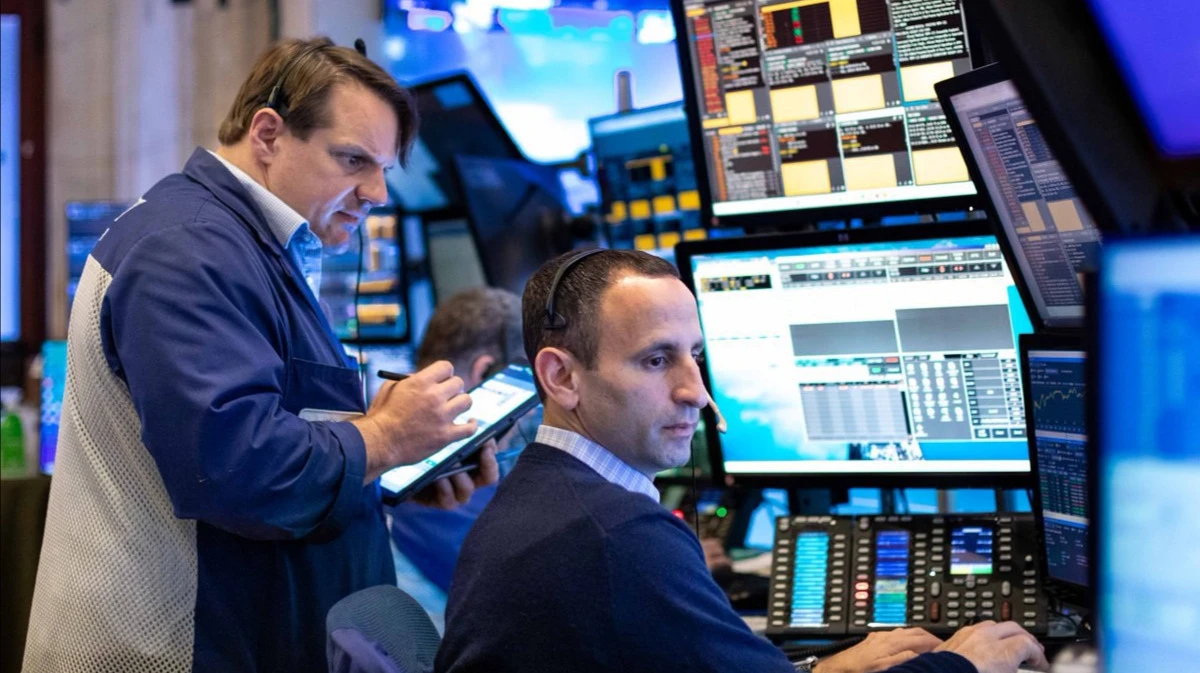
The September slowdown in the small-cap IPO market served as a warning to other companies seeking to go public / Photo: X/NYSE
In the U.S., two companies postponed their IPOs in less than a week, sparking a new wave of concern in the American market, according to Bloomberg. With investors awaiting the IPO of AI startup Anthropic—which could be the largest debut in history—this second consecutive cancellation of a listing is a warning sign for the market.
Details
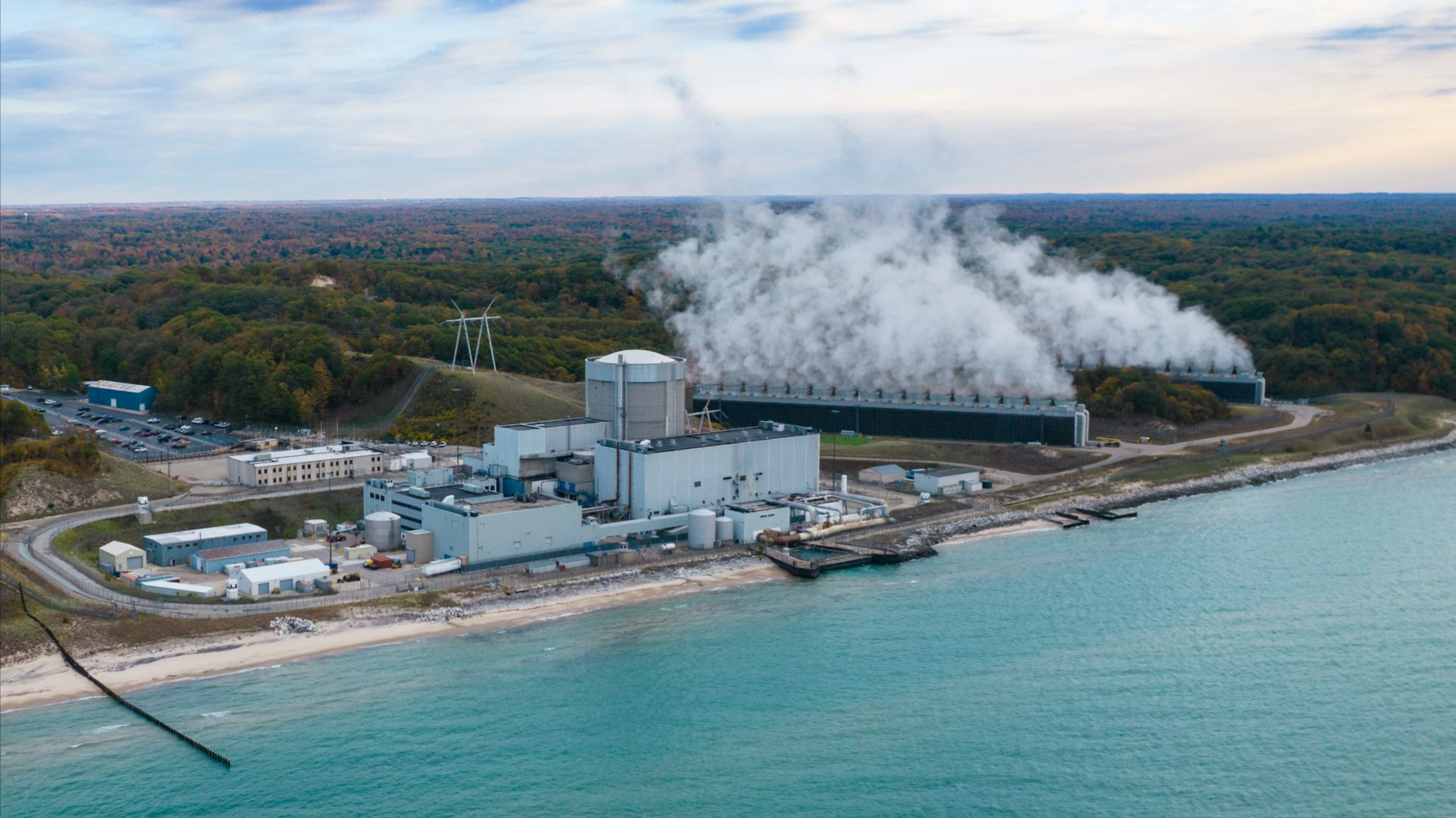
Bamboo Insurance Services, backed by CVC Capital Partners, has postponed its IPO, Bloomberg reported, citing sources. On September 17, nuclear energy company Holtec Nuclear also scrapped its public offering. Both companies cited market conditions, the agency reports. This comes amid a weaker-than-expected September in the IPO market: following Labor Day, which was observed on September 7—a period that is typically marked by high activity—only three companies went public.
The slowdown in the small-cap IPO market has served as a warning to other candidates, according to Bloomberg. Asset owners, including private equity funds, must assess whether the collapse of several deals indicates that it will be more difficult to achieve the expected business valuation under current market conditions, the publication explains.
"What's particularly surprising is that the Nasdaq has just hit a record high. You can't say there's a serious downturn in the market," said Jay Ritter, director of the IPO Initiative at the University of Florida, in a statement to Bloomberg.
According to Bloomberg, of the more than two dozen companies that have been working with at least one major Wall Street investment bank and have publicly filed documents since early July, only nine have gone public. Three more are currently accepting investor applications. Oura, a manufacturer of smart rings, and some of its shareholders expect to raise up to $2.2 billion in an IPO next week. On the same day, Accelevation Holdings, a data center infrastructure company, is set to go public, aiming to raise $720 million.

Are companies afraid of competition for capital before an IPO?
Thanks in part to mega-deals such as SpaceX’s $86 billion IPO and the $26.5 billion offering of American Depositary Receipts by South Korean chipmaker SK Hynix Inc., the total volume of listings in the U.S. this year has reached its highest level since 2021. According to Bloomberg, excluding SPACs (mergers with shell companies) and other financial structures, companies raised $161.4 billion.
However, a few large deals do not mean that it is easy to raise money from investors right now, Bloomberg notes. Some companies and their shareholders were hesitant to go public around the time Anthropic is expected to file. The company hopes to raise at least as much as SpaceX—which set a record for the largest IPO—and possibly even more. Against this backdrop, sources familiar with the preparations for the offerings told Bloomberg that it had been difficult for them to compete for the attention and capital of sovereign wealth funds and investors focused on long-term investments.
Although companies can still find sufficient demand in the market to carry out a public offering, those that are able to wait for a more favorable moment may not rush to go public. “You have to consider how badly a company needs the money and how long it can wait to ultimately get a better return,” explained Larry Tabb, global head of financial sector research at Bloomberg Intelligence.

The Fed isn't helping
Companies that have publicly filed for an IPO typically expect to go public within about a month, according to Bloomberg. However, market jitters and weak stock performance among recently listed companies could delay the process.
Another negative factor for companies that actively use debt financing for investments was the Fed’s rate hike earlier this month, as well as the likelihood of another tightening of monetary policy in the near future.
“Rising interest rates reduce the value of future cash flows while simultaneously increasing the cost of debt used, for example, to build data centers. It amounts to a kind of double whammy,” Matt Kennedy, a senior strategist at the research firm Renaissance Capital, explained to Bloomberg.
This article was AI-translated and verified by a human editor