In which currency should a global investor keep funds? A breakdown of alternatives to the dollar

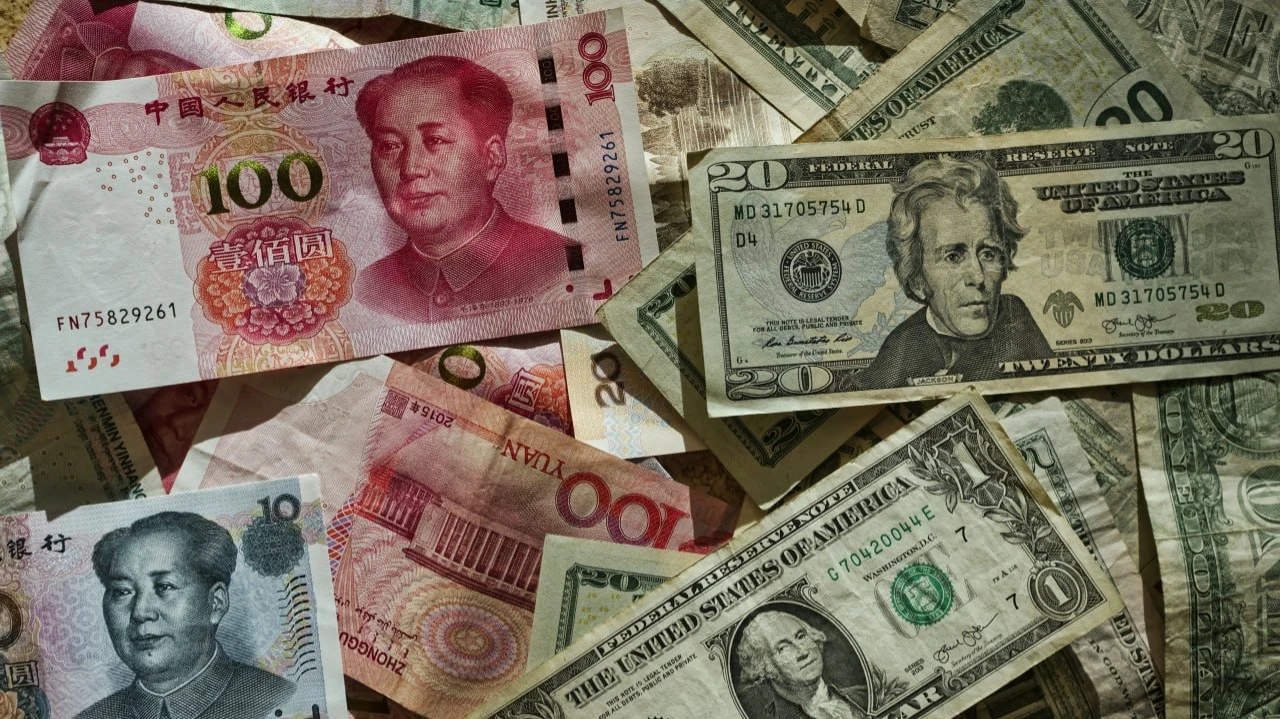
The dollar has not experienced such a long period of decline since the abolition of the Bretton Woods system. It has weakened against major currencies since the start of the year, with the devaluation against the euro currently at 12%; at the peak it was 14%. The policies of US President Donald Trump - imposing trade duties, growing budget deficits and attacks on the head of the Federal Reserve System - have led to the debate about finding an alternative to the dollar as the world's reserve currency resumed with renewed vigor. But what should an investor choose? Manager Alexey Tretyakov compares the dollar and potential alternative currencies by criteria: yield, risks and liquidity.
Liquidity: when size matters
The global bond market is estimated at about $140 trillion, with the United States accounting for just over 39% of that volume. States and companies last year placed $25 trillion in bonds, nearly triple the 2007 level.
The second most important bond market is the eurozone countries with $23.1 trillion;
China's bond market formally comes third with more than $22 trillion, but only 2.7% of that volume was available to foreign investors due to currency controls and other restrictions as of the end of 2024. The yuan is divided into onshore and offshore. And the segment of bonds denominated in offshore yuan available to international investors is very small;
It turns out that in terms of liquidity for the largest investors - sovereign funds and the largest management companies operating in the tens and hundreds of billions, it is dollar-denominated bonds that are the non-alternative asset class. Euros can be included in one or another proportion;
Other major developed country currencies (e.g. Japanese yen) and gold can be included for diversification, but here we are talking about units of interest;
The yuan, although it has begun to play a significant role as a currency for international settlements, is not suitable for investment at all.
Risks from New York to Milan: no more safe harbor
Despite all the rhetoric surrounding the large national debt and budget deficits in the US, the situation in Europe is not much different for the better. Italy, the Eurozone's third economy, has a higher national debt than the US: 137% of GDP versus 121%. France, the EU's second economy, is catching up with the US with a government debt of 114% of GDP.
After passage of Trump's key One Big Beautiful Bill, the budget deficit will increase by $3.4 trillion over the next decade - that's the estimate of the Congressional Budget Office. But economic growth will also rise. A Fed rate cut could reduce interest costs - yields on treasuries would fall.
In general, the situation in the US is deteriorating, but this is happening in most of the developed world. And the eurozone does not look like the best alternative.
Perhaps the strong weakening of the dollar this spring is due to the attempt to include in the One Big Beautiful Bill the so-called Amendment 899, which would allow a "revenge tax" on the income of foreign individuals and corporations from assets in the United States if their countries have applied "discriminatory" taxes against U.S. companies.
Foreign investors in U.S. Treasuries, which are currently exempt from taxation (i.e., they receive full coupons and par amounts at maturity), could face the risk of a substantial loss in yield (up to 20% of the amount of funds), which, of course, far outweighs the 2% yield advantage of these securities over European government bonds;
However, this amendment was removed from the bill shortly before the Senate vote. I believe that thanks to the repeal of the "revenge tax" the dollar and US government bonds may start to recover
Yield: can the euro be a game changer
The intrigue of the next decade is whether the euro can squeeze the dollar a bit, say, from its current 20% market share to 25% or 30%?
The main thing that will determine this process is the yield of euro-denominated bonds.
If interest rates on them exceed dollar interest rates, it may activate investors' interest. Many people are already used to the fact that the ECB's policy is softer than the Fed's, and Eurobond yields are 1.5-2% lower than dollar yields. But this was not always the case. After the 2008 financial crisis and through 2014, the ECB adhered to a tighter monetary policy. This had a favorable effect on the euro exchange rate (the euro/dollar exchange rate at that time fluctuated in the range of $1.25-1.4), as well as on the share of euro-denominated assets in the reserves of global central banks.
If Donald Trump succeeds in replacing the current Fed Chairman Jerome Powell with a more dovish one, the situation may repeat itself. But investors apparently aren't banking on such a scenario just yet. The Yield on 10-year US Treasuries is now at 4.30% per annum, above the current Fed Funds rate. German Bundes have a yield of 2.55%, and the premium over German Bundes yields is about 180 basis points, also near the five-year average.
In March, the yield on 10-year German government bonds jumped by 0.5% from 2.4% to 2.9% per annum: markets were impressed by Germany's decision to sharply increase military spending, which will require massive debt borrowing. Investors initially believed a substantial additional debt issuance was imminent. But by now the yield has fallen to 2.6%. This can be interpreted as the authorities will not move from words to deeds so quickly, or the military's ambitions will be adjusted in the process of approvals.
Strategies of choice: keep calm
If I were a global investor, I would not move from the dollar to the euro at the current rate of $1.17. The record long euro rally (nine consecutive trading sessions since mid-June) was last seen in October 2004. From a technical analysis perspective, the euro is overbought and needs at least a temporary correction. In the same situation more than 20 years ago, after a strong rise, the entire year of 2005 was weak for the euro.
The most likely scenario for the rest of the year, in my opinion, will be a correction in the euro/dollar exchange rate from $1.17 to $1.1 and a gradual decline in dollar bond yields, which will provide an opportunity to make money through price growth of long-term dollar bonds and on the exchange rate.
In our bond funds we now keep the share of dollar bonds at 50-60%, we invest about 40% in yuan bonds, leaving no more than 10% for all other currencies.
This article was AI-translated and verified by a human editor