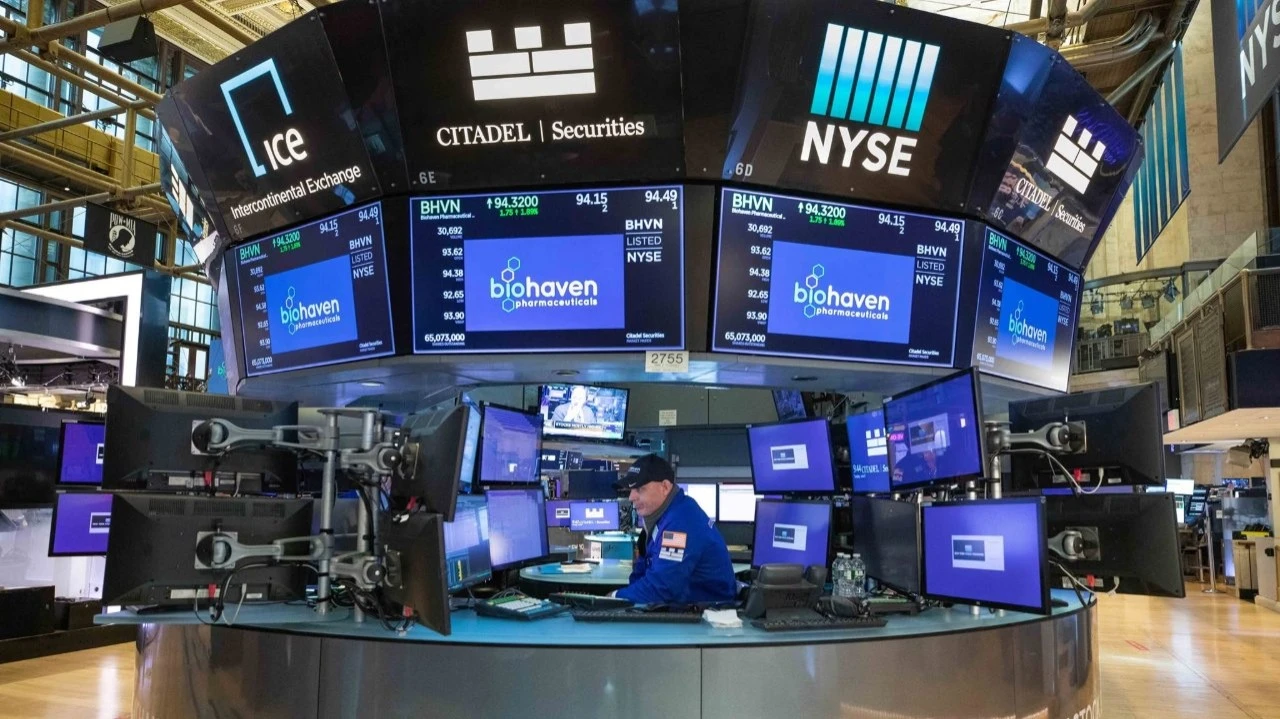
'Investor safe haven': China's markets fared best in Asia after a week of war in Iran

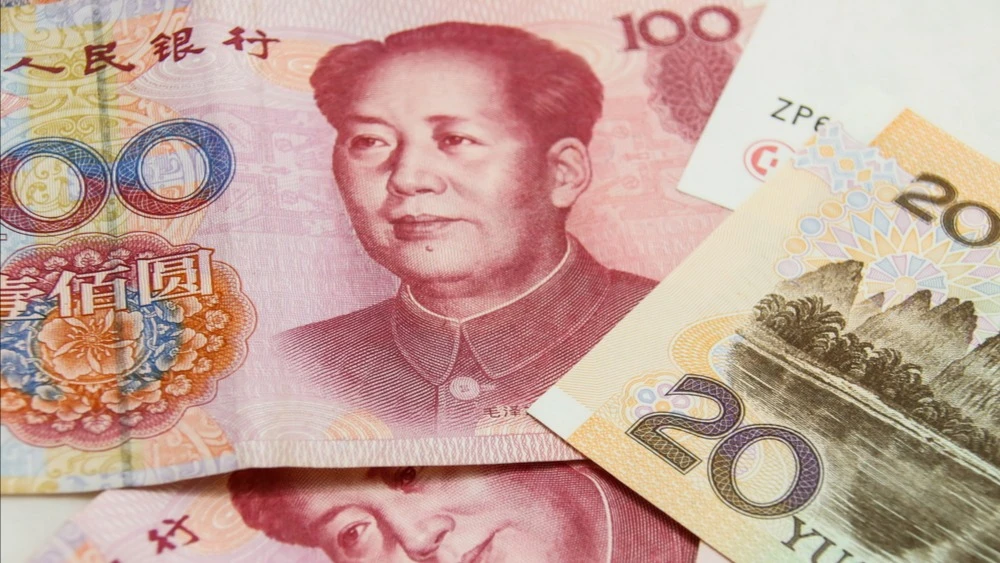
Shares of Chinese companies lost only 1%, while losses in other Asian stock markets exceeded 5% / Photo: small1 / Shutterstock
By the end of the first week of the large-scale operation of the U.S. and Israel against Iran, the best dynamics in Asia were demonstrated by the Chinese markets, Bloomberg noted. Shares of Chinese companies traded on the domestic market (Shanghai Shenzhen CSI 300 index), during this time lost only about 1%, while in other Asian markets the decline exceeded 6%, writes Bloomberg.
For example, South Korea's Kospi over the past week showed the biggest weekly drop in six years, Reuters wrote: the index lost more than 11%. Japan's Nikkei fell more than 5% over the same time.
Details
Chinese stock markets can serve as a "safe haven for global investors seeking diversification amid global political instability" and also provide an opportunity to participate in the development of artificial intelligence in the country, said Marko Sun, chief analyst of China financial markets at MUFG Bank, in a commentary for Bloomberg. The same applies to Chinese bonds and the yuan, he added, explaining that market sentiment was supported by the economic targets that the Chinese authorities set for this year at a meeting of the National People's Congress (China's highest legislative body).
At this first large-scale policy meeting in China since the escalation of the conflict in the Middle East began, the authorities promised to expand budget support, maintain a loose monetary policy and strengthen domestic demand. Also amid disruptions in oil supplies from the Middle East region, China has taken fuel-saving measures, according to Bloomberg. According to the agency's sources, the authorities instructed leading Chinese oil refining companies to suspend exports of diesel and gasoline.
Chinese government bonds and the yuan "serve as a solid backstop" for the region, agrees BNY Hong Kong strategist Wee Koon Chong (quoted by Bloomberg).
Context
The Chinese markets managed to maintain relatively stable dynamics despite the fact that China receives about 45% of its oil from the Middle East region. Against this backdrop, China, Reuters sources said, is negotiating with Iran to ensure safe passage of oil and gas ships through the Strait of Hormuz. This narrow water passage off the coast of Iran, through which passes about 25% of all marine oil supplies and significant volumes of LNG supplies, for several days due to hostilities in the Middle East has remained virtually closed - shipping through it is largely restricted. Against this background, Brent crude oil prices jumped above $89 per barrel on March 6 (up 4.5%).
This article was AI-translated and verified by a human editor