Protective asset No. 1: dollar nears record rally for the year due to Iran crisis
Currency strategists are betting on the dollar weakening against the euro soon, a Reuters poll showed

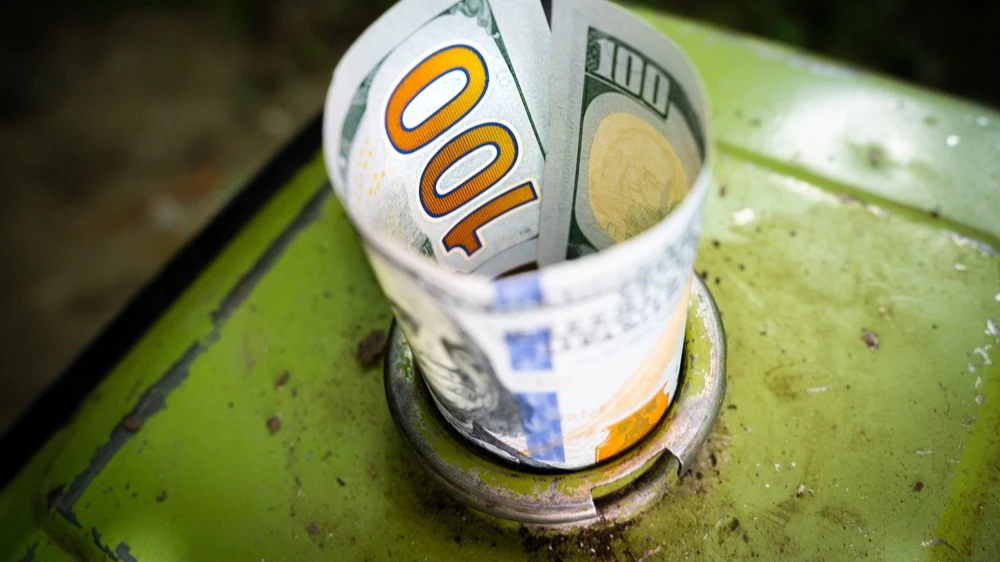
Analysts surveyed by Reuters agree that the strengthening of the dollar will be short-lived / Photo: VVVproduct/Shutterstock.com
On March 6, the dollar stabilized after this week's rally and is preparing to end the week with the highest gain in more than a year. With the escalation of the conflict in the Middle East, the U.S. currency regained its lost status as the main safe haven asset, but its strengthening may not last long.
Details
The DXY index, which reflects the U.S. dollar's exchange rate against a basket of other major currencies, has consolidated around 99 points today and is headed for a weekly gain of 1.4% - the highest since November 2024, Reuters reports. The dollar became one of the few beneficiaries of the first stage of the war in the Middle East, pulling down not only securities quotes, but also such a familiar to investors protective asset such as gold.
What the analysts are saying
On March 5, hostilities in the Middle East escalated, with United States and Israeli aircraft striking targets in Iran, and Gulf cities subjected to new bombings. "If the Middle East conflict continues at its current intensity, it is likely to bring persistently high inflation, a stronger dollar and significantly reduce the chances of the U.S. Fed cutting interest rates," IG analyst Tony Sycamore wrote to clients.
Against the background of the Iranian crisis, investors are massively reducing their risks, getting rid of currencies of both developed and developing countries, said Citibank currency trader Nathan Swamy. According to him, after the beginning of the war in the Persian Gulf last weekend, institutional market participants - hedgers and custodians - began to actively buy dollars in local markets as a protective asset. Asian central banks are still managing to keep local currencies from collapsing, but the longer the conflict drags on, the harder it is to save them, the expert warned.
What to expect from the dollar in 2026
Most currency strategists in a monthly Reuters poll still expect the dollar to weaken. The survey was conducted almost entirely this week, already after the first missile strikes. The median forecast of 60 analysts calls for a decline to $1.18 per euro by the end of March, to $1.19 three months later, and to $1.2 six months later.
MUFG in the currency review published on March 2 predicted strengthening of the dollar both in pair with the euro and against a basket of currencies in March. However, analysts of Japan's largest financial group expect a reversal of the trend in the second quarter with a quarterly decline in quotations of the U.S. currency until 2027.
This article was AI-translated and verified by a human editor