'It's 2007': three Wall Street veterans on the risks of the credit crisis

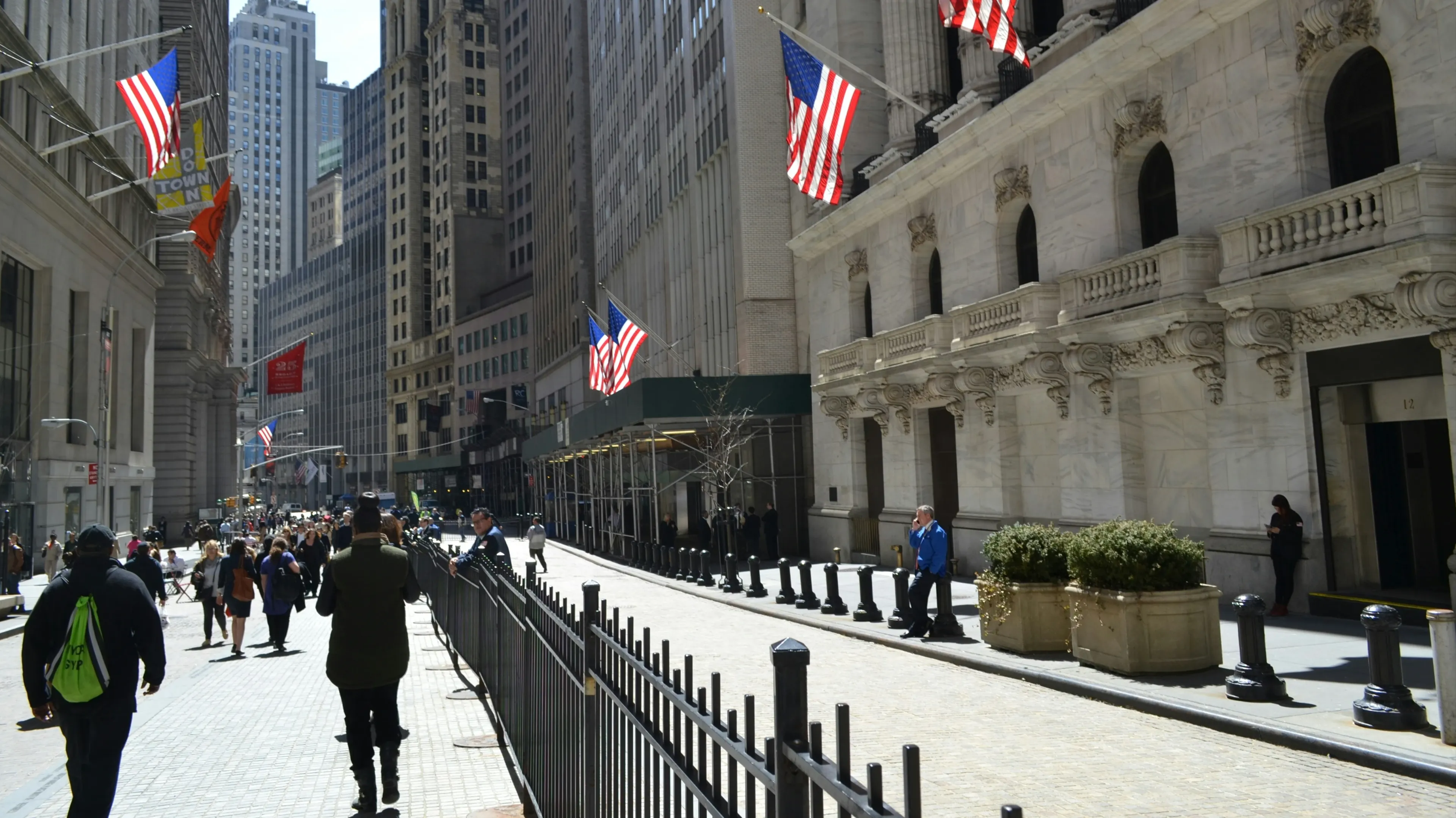
In recent months, there has been growing concern among investors in non-bank lending funds about possible defaults / Photo: Unsplash / at
Just three prominent financiers, including iconic short-seller Michael Burry and the head of JPMorgan, have sounded the alarm in recent days about the growing risks in the private credit market. Here's what they said:
"This is 2007 for private credit," DoubleLine Capital founder Jeffrey Gundlach, known as the "bond king," wrote on social network X over the weekend. In 2007, the bubble in the U.S. real estate market burst due to defaults on high-risk loans, and mortgage-backed securities (MBS) depreciated. Gundlach says he avoided investing altogether until 2008 because of the crisis and only returned to the market fully in March 2009.
Gundlach was backed by Michael Burry, who became famous for his bet against the US mortgage market on the eve of the crisis. "I'm convinced that everyone in private equity and private credit understands exactly what's going on. The private equity sector is great at putting problems off until later, but it looks like that's going to end," he wrote in X, commenting on Gundlach's post.
Independently, Jamie Dimon, CEO of JPMorgan Chase, the largest U.S. bank, warned in a letter to shareholders about the problem of "a gradual and almost universal loosening of lending standards". He said this would lead to lenders lending to already highly leveraged companies at some point incurring much larger losses than currently envisioned. "It's been a long time since we've had a credit recession, and it seems as if some market participants believe it will never happen at all," Dimon wrote.
The JPMorgan CEO has been voicing concerns about hidden threats in the non-bank lending market as far back as 2025, following the bankruptcies of auto lender Tricolor Holdings and auto parts maker First Brands. "I immediately have an alarm going off <...> When you see one cockroach, there are probably more," Dimon put it.
Context
After the 2008 financial crisis, regulators tightened requirements for banks, encouraging the transfer of riskier operations outside the traditional banking system. As a result, non-bank lending has become a key source of funding for smaller companies, often backed by private equity funds, Bloomberg writes.
In recent years, the private credit market has reached about $1.8 trillion. However, in recent months, there has been growing concern among investors about possible defaults, the agency said. An additional pressure factor has been concerns that direct lending funds are overly concentrated in the technology sector - in particular, in software developers, whose business models may be threatened by the development of artificial intelligence. Amid the increased nervousness, major private credit fund managers, including BlackRock and Blue Owl, have begun limiting investor withdrawal requests.
BlackRock CEO Larry Fink was quick to reassure investors in March, saying the private credit market does not pose a systemic risk to the financial system. "I don't see any similarities [to the crisis]. Zero. The 2007 crisis was based on hidden leverage - a gigantic debt load on balance sheets. Now it's not a problem of overleveraged balance sheets," he told the BBC.
According to him, the private credit market remains a relatively small segment of the global financial system with transparent liquidity conditions. Despite the fact that some retail investors are now seeking to exit private credit funds, institutional demand for them remains strong, Fink emphasized.
This article was AI-translated and verified by a human editor