Japanese stocks soar after PM Takaichi's party triumphs in elections
The ruling Liberal Democratic Party won the biggest victory in Japan's postwar history on Feb. 8

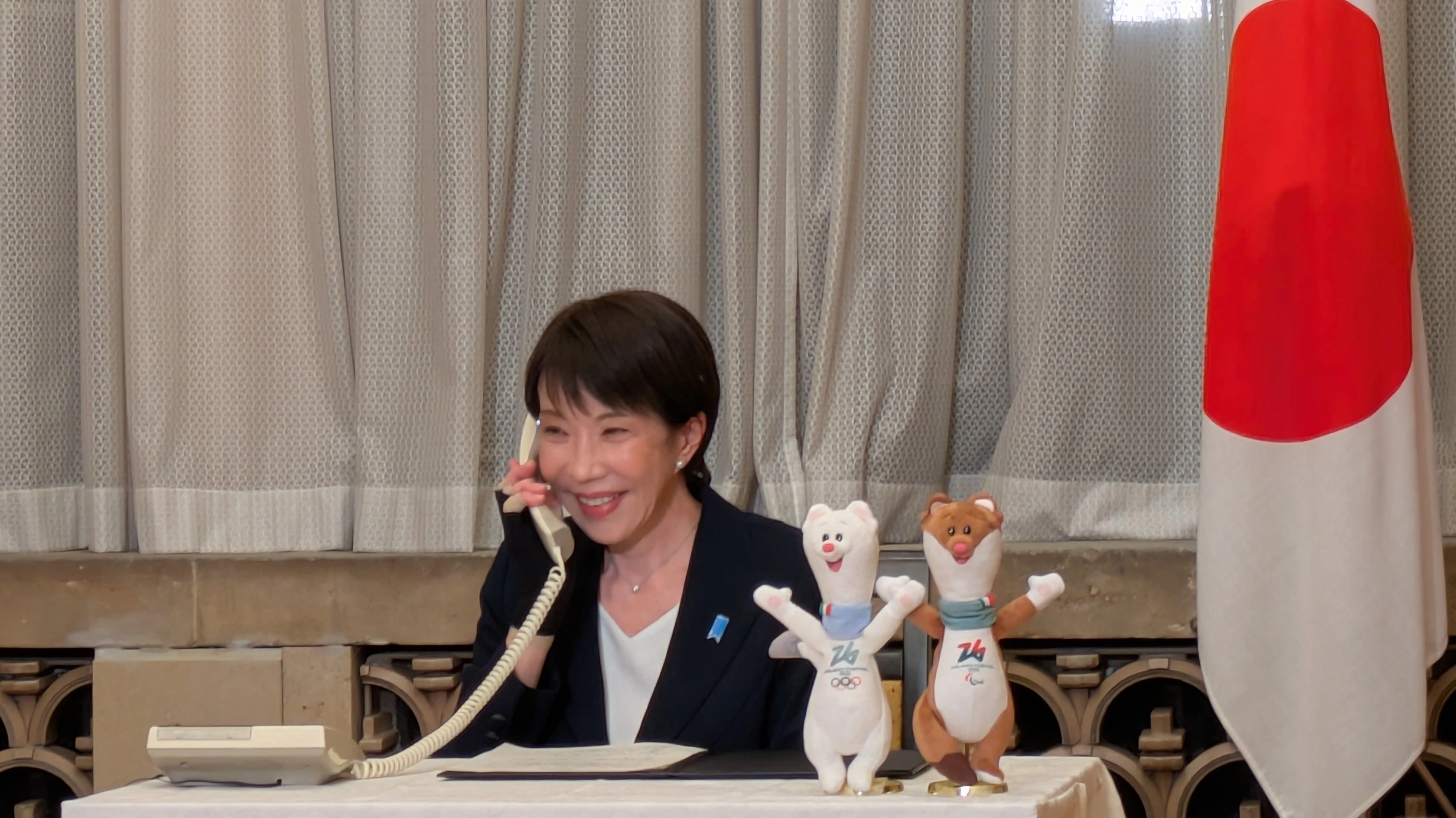
The resounding election victory of Japanese Prime Minister Sanae Takaichi's party has breathed new life into Takaichi Trade / Photo: X / takaichi_sanae
Following the historic success of Japanese Prime Minister Sanae Takaichi's Liberal Democratic Party (LDP) in Sunday's election, investors activated the Takaichi Trade. As a result, Japanese stocks soared nearly 6% to a new all-time high.
Details
The benchmark Nikkei 225 index jumped 5.7% at the opening of trading in Tokyo, breaking the 57,000-point mark for the first time. The Topix broad market index rose 2.6%, also hitting an intraday high. Futures traded up more than 6%, Nikkei Asia reported.
Shares of defense contractors rose sharply: the shares of aircraft engine supplier IHI rose by 8.7%, helicopter and submarine manufacturer Kawasaki Heavy Industries - by 18%. Quotes of technology companies also soared: shares of Advantest added 14.7% of their value, SoftBank Group - 8.7%.
In early elections on February 8, the LDP won 316 out of 465 seats in the House of Representatives of the Japanese parliament, and thus secured a constitutional majority of two-thirds of votes. No party has ever achieved such representation in the lower house in the country's postwar history, Bloomberg said.
Context
After becoming Japan's first female prime minister in October 2025, Takaichi identified 17 strategic areas to stimulate the country's economic growth through public-private investment. Among them are artificial intelligence, semiconductors, shipbuilding and quantum technologies, The Asahi Shimbun reported.
By announcing early elections just months after taking office as Japan's prime minister, Takaichi has put her position on the line. She has promised to resign if the ruling coalition fails to win a majority.
One of the key themes of this election has been the cost-of-living crisis for families facing the first sustained period of inflation in a generation. Both the LDP and the main opposition party, the Centrist Reform Alliance (CRA), favor zeroing out the sales tax on food, but the LDP sees this measure to help households as temporary, while the CRA wants to do away with the tax altogether, Bloomberg writes.
What the analysts are saying
According to Goldman Sachs investment strategist for Japanese equities Bruce Kirk, this victory "provides Prime Minister Takaichi and the LDP with a four-year window to implement change without any legislative interference from the opposition." This will not only allow her to more easily "build up her political capital within the LDP" but also provide "a clear mandate to pursue an agenda focused on strengthening Japan's position in the region and emphasizing the geopolitical importance of a strategic alliance" with the U.S., Nikkei Asia quoted Kirk's research note as saying.
While Takaichi's "decisive victory" should be "good news for the Japanese stock market, currency traders and traders of Japanese government bonds will view it through the prism of debt sustainability," said Matthew Ryan, head of market strategy at financial services firm Ebury. He added that a convincing result for Takaichi's party opens up room for the yen to weaken further. He predicted the exchange rate could fall to 160 yen per dollar as fiscal easing will not alleviate concerns about the sustainability of government debt and is unlikely to boost confidence in the Japanese currency.
This article was AI-translated and verified by a human editor