Citigroup has upgraded its rating on UK stocks. Why did they become a "safe haven"?
Citigroup has revised its global strategy, choosing the UK's FTSE 100 index as its main "geopolitical hedge"

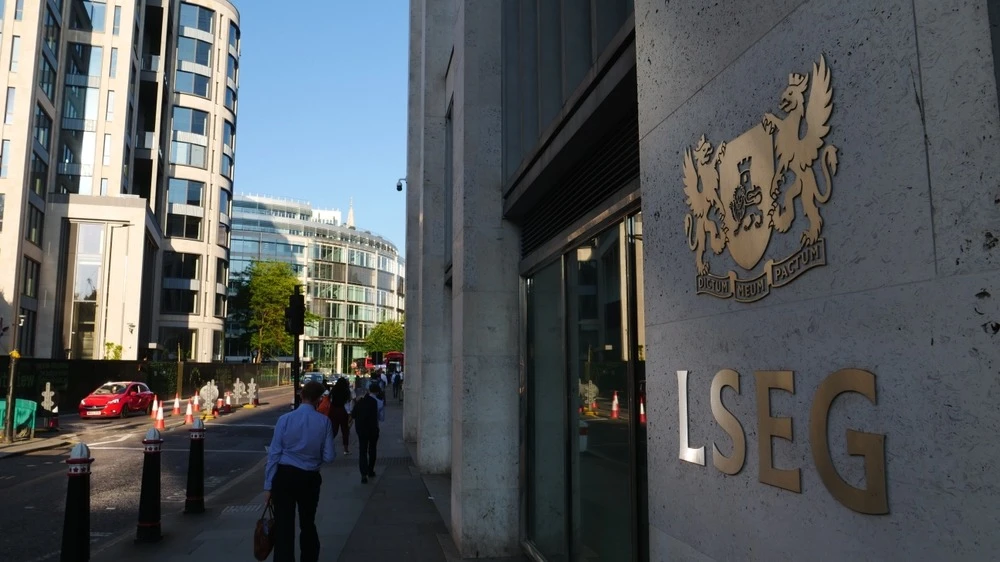
The UK's FTSE 100 index is protected from this thanks to a high proportion of commodity companies and defensive sectors. Photo: David G40/Shutterstock
Citigroup strategists have upgraded the rating of British shares from "below market" (underweight) to "above market" (overweight), Bloomberg writes. Strategists of the bank believe that British shares are an effective hedging tool against the background of geopolitical instability after the beginning of the military operation of the U.S. and Israel against Iran. The British index FTSE 100 held better than its "colleagues" from France and Germany at the trading on March 2 - the first after the aggravation in the Middle East.
Details
The British stock market is largely dependent on the commodities sector (commodities) and the defense industry, which protects it from rising oil prices, said a team of analysts at Citigroup led by Beata Mantei in a Bloomberg statement. At the same time, Citigroup downgraded the Japanese stock market to "below market". This is due to the fact that Japanese companies usually show weak dynamics when the cost of oil increases, explained in Citigroup.
"The conflict in Iran creates a new source of uncertainty for risk assets," Citigroup points out. - The British market has a strong bias towards the commodities and defensive sectors, as well as a significant share of aerospace and defense. This makes it an effective 'geopolitical hedge' within equity portfolios."
Global equity markets usually recover quickly after conflicts begin, but they fall hard if such events cause a prolonged rise in energy prices, Mantei noted. Citigroup strategists expect oil to trade "well above" what it was before the U.S.-Iran conflict escalated in the near term.
Context
On Monday, the FTSE 100 index looked better than other European indicators, including the Stoxx Europe 600 index, the French CAC 40 or the German DAX, thanks to gains in defense and commodity stocks. At the time of publishing this text, the British benchmark was down 1.4%, while the pan-European index was down 1.8% and the French and German indices were down more than 2%.
On March 2, oil prices jumped the most in four years: the cost of Brent futures added about 8%, approaching $79 per barrel.
This article was AI-translated and verified by a human editor